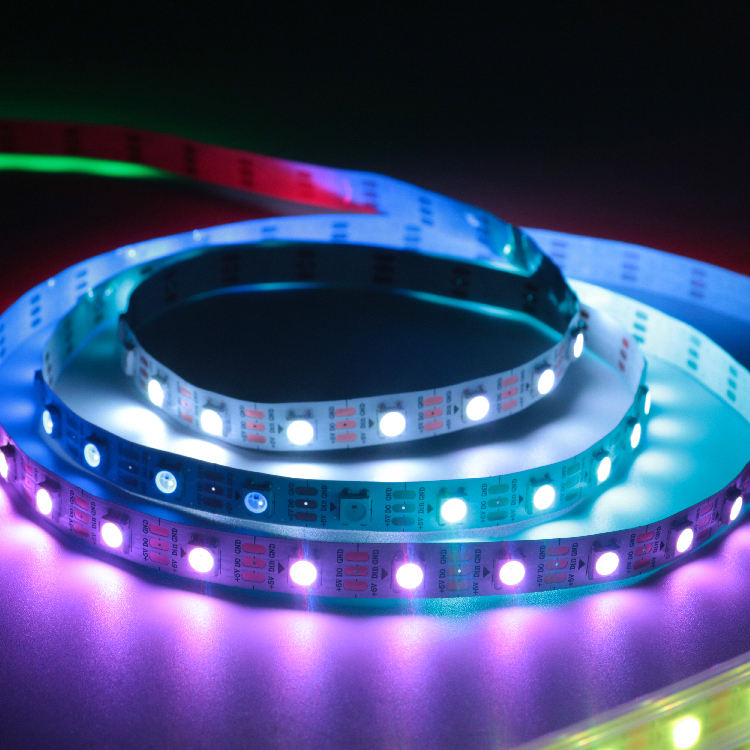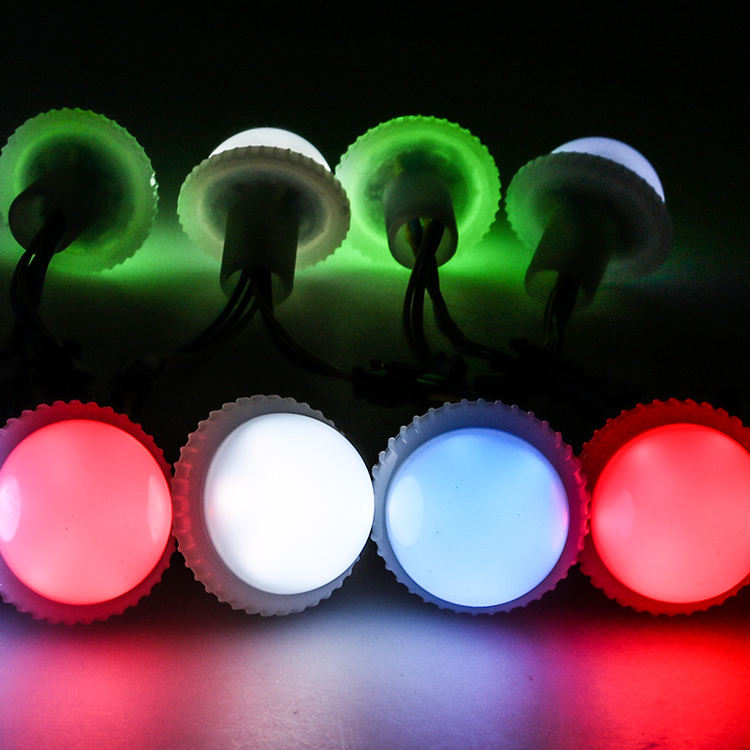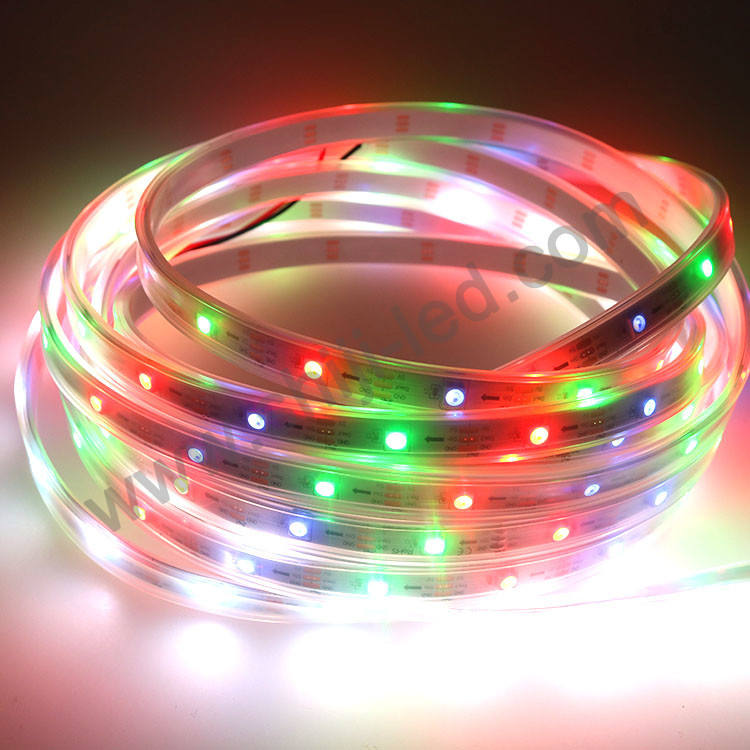
Programmable LED strip technology has evolved far beyond simple decoration to become a critical component in architectural lighting, stage design, and industrial signaling. For B2B buyers and project engineers, understanding the nuances of addressable LEDs—specifically regarding signal protocols, voltage efficiency, and chip architecture—is essential for specifying reliable systems. This guide explores the advanced technical features that distinguish professional-grade lighting from consumer toys, helping you make informed decisions for large-scale installations.
Decoding the Technology Behind Programmable LED Strips
How Addressable LED ICs Work
Addressable LED tape works through built-in circuits. These ICs let you control each pixel in a straight line. Unlike basic strips, where all lights shift color at once, these use a data wire. It sends special 24-bit color commands to every LED unit. This setup depends on certain chips. For example, the WS2812B has it built in. Or use outside drivers like the UCS2904. They read digital inputs from a controller. Pro installers need to know this. The IC choice sets data speed, color shades (often 256 per hue), and update speed of the light system.
RGB vs. RGBW Programmable Options
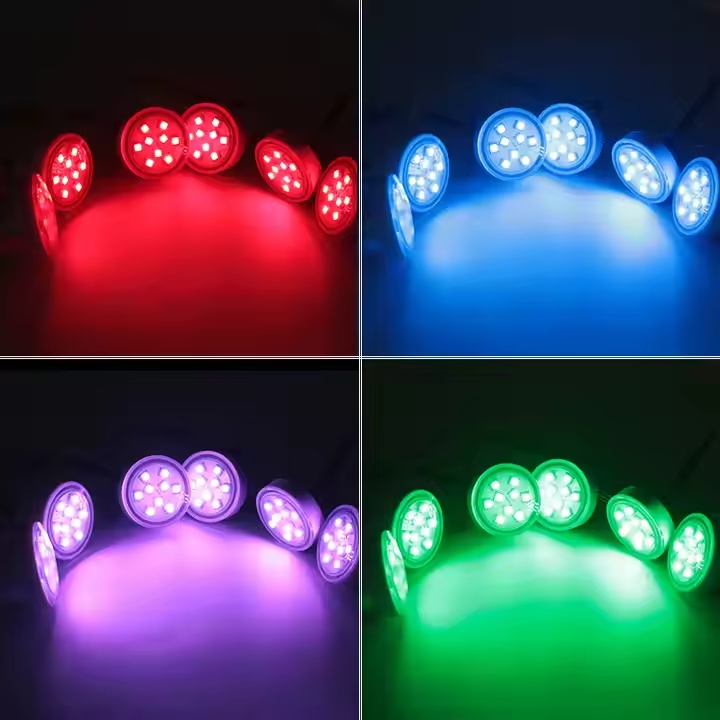
Picking RGB or RGBW for programmable LED strips changes color quality in business projects. Standard RGB mixes red, green, and blue to make white. But this often gives a blue tint. That won’t work for top building uses. Better types add a special white light diode. It comes in Warm, Neutral, or Cool White. This gives true white light plus lively color shows.
To meet the needs for real white shades, makers have made targeted fixes. Take the Outdoor Programmable Flexible Strip Light RGB DC5V SK6812 Addressable LED Strip. It adds a warm or neutral white chip next to the RGB ones. This cuts the fake “blue hue” from blended white lights. So, it’s great for fancy store shows or hotel spots. There, the lights must go from fun colors to useful high-CRI white without losing light range.
Critical Features of Industrial Grade Programmable LED Pixel Tapes
Breakpoint Resume for High Reliability
Breakpoint resume, also called dual-signal flow, cuts repair costs in major projects. It’s the top trait for that. In usual addressable strips, one bad LED stops the data flow. Then, all later LEDs stay dark. But better factory strips use chips like the GS8208 or WS2818. They have a spare data line. It lets the signal skip a broken pixel and go on. This extra step is a must for wall covers or tall room setups. There, fixing one diode costs a lot in time and effort.
12V and 24V Systems for Energy Saving and Longer Runs
Energy efficiency in 24V programmable LED Strips offers significant advantages over legacy 5V systems, particularly regarding installation infrastructure and power distribution. Higher voltage systems significantly reduce current draw for the same wattage, which minimizes voltage drop across long distances. For a B2B contractor, this means being able to run longer continuous lengths (e.g., 10 meters instead of 5) without suffering from color shifting at the end of the run. Furthermore, the reduced current requirement allows for thinner gauge wiring and fewer power injection points, directly lowering labor costs and improving the overall energy efficiency of the lighting grid.
Comparing Control Protocols SPI vs. DMX512 LED Strips
SPI Protocol for Cost-Effective Projects
SPI protocol is the go-to for most pixel light jobs. It needs quick data over short to mid lengths. Chips like the WS2811 or UCS1903 use this serial method. It gives fast updates for video walls and quick effects. Yet, SPI sends clock and data one after another. So, it can pick up noise over long wires without boosters. For inside event spots or close displays, SPI is the cheap and common pick.
DMX512 Protocol for Large Scale Stability
DMX512 programmable LED strips use a side-by-side signal method. This brings the best steadiness for pro stage and building lights. Unlike SPI, where data passes pixel by pixel, DMX512 lets the controller talk straight to pixels or groups. A fault in one part won’t hit the chain. This is the world standard for tough spots. It fights noise well and fits easily with theater light boards.
Durability Factors for Outdoor Programmable LED Lighting
Waterproofing Techniques: Silicone Extrusion vs. Epoxy
Outdoor programmable LED lighting demands superior ingress protection, and the material used for waterproofing dictates the product’s lifespan. While cheap epoxy coatings tend to yellow and crack under UV exposure within months, advanced IP68 silicone extrusion technology remains clear and flexible for years. Hollow silicone tubes or solid silicone extrusion processes provide excellent thermal stability and resistance to saline or acidic environments. For exterior building outlines, ensuring the product is rated IP67 or IP68 (submersible) is critical to preventing moisture intrusion that leads to short circuits.
Thermal Management and PCB Quality
Heat release ties right to how long LED chips and ICs last. It also keeps them steady. Good programmable strips use two-layer copper boards. These have 2oz or 3oz copper thickness. They pull heat from the lights well. This heat control matters for steady brightness. It stops the “blue shift” from hot LEDs. Pro strips get strict tests. They work safely in heat limits, even at full white light for long times.
How SHIJILIGHTING Delivers Optimized Custom Solutions
Engineering Grade Manufacturing and Customization
At SHIJILIGHTING, we focus on making factory-level pixel products. We fix the exact issues for setup experts and light planners. We know a single style doesn’t fit all big jobs. That’s why we give full custom choices. These include board color (black or white), picked ICs (like the solid GS8208 for breakpoint resume), and set voltage types. Our build steps have tough age checks. They ensure no flaws before shipping. We back our build quality with a full 2-year warranty. This gives our worldwide partners trust in our products’ strength.
Comprehensive Support from Controller to Installation
We think giving the LED tape is just part of it. The right control setup matters as much. SHIJILIGHTING helps clients with matching control gear. Like our SJ-M310RGB Wi-Fi UFO controller. It makes handling complex light patterns easy on phones. If your job needs DMX512 links or basic app control, our tech team helps plan power spots and signal paths. We provide a full setup. From efficient 24V strips to control plans. This makes your installation power-smart, steady, and eye-catching.
FAQ
Q: How do I choose the best programmable LED strip for a commercial project?
A: To select the best programmable LED strip, you must evaluate the voltage (24V is better for long runs), the IC chip type (look for breakpoint resume features like GS8208 for reliability), and the IP rating if used outdoors. Prioritize suppliers that offer industrial-grade PCBs with thicker copper backing to ensure heat dissipation and signal integrity over time.
Q: What are the main differences between DMX512 and SPI LED strips?
A: The key difference is signal steadiness and reach. DMX512 uses side-by-side signals. So, if one light fails, others keep going. It handles long distances with strong noise fighting. SPI is a chain method. It’s quicker and less costly. But it’s not as tough for key big outside builds as DMX.
Q: Why should I use 24V programmable strips instead of 5V?
A: Using 24V programmable strips is far more energy-efficient for professional installations because the higher voltage results in a lower current draw for the same power output. This significantly reduces “voltage drop,” allowing for longer continuous runs of lighting (e.g., 10 meters) with consistent brightness and color, while also reducing the thickness of the wiring needed.
Q: Which top manufacturers provide reliable outdoor pixel lighting?
A: Top makers for reliable outdoor pixel lighting run the full build process. They focus on waterproof molding. Seek firms that use silicone extrusion for IP68. They give long warranties, like 2+ years. And they offer tech help for control systems. Not just sellers.
Q: What is the benefit of a breakpoint resume in LED strips?
A: Breakpoint resume in dual-signal chips lets data skip a damaged LED. It goes to the next one. In basic strips, one dead pixel halts the signal. That turns off the whole line after it. With this, the rest stays lit. It’s key to keeping looks in hard-to-reach spots.