Why Commercial Spaces Are Switching to Permanent Light Installations
From Temporary Holiday Decor to Year-Round Architectural Lighting
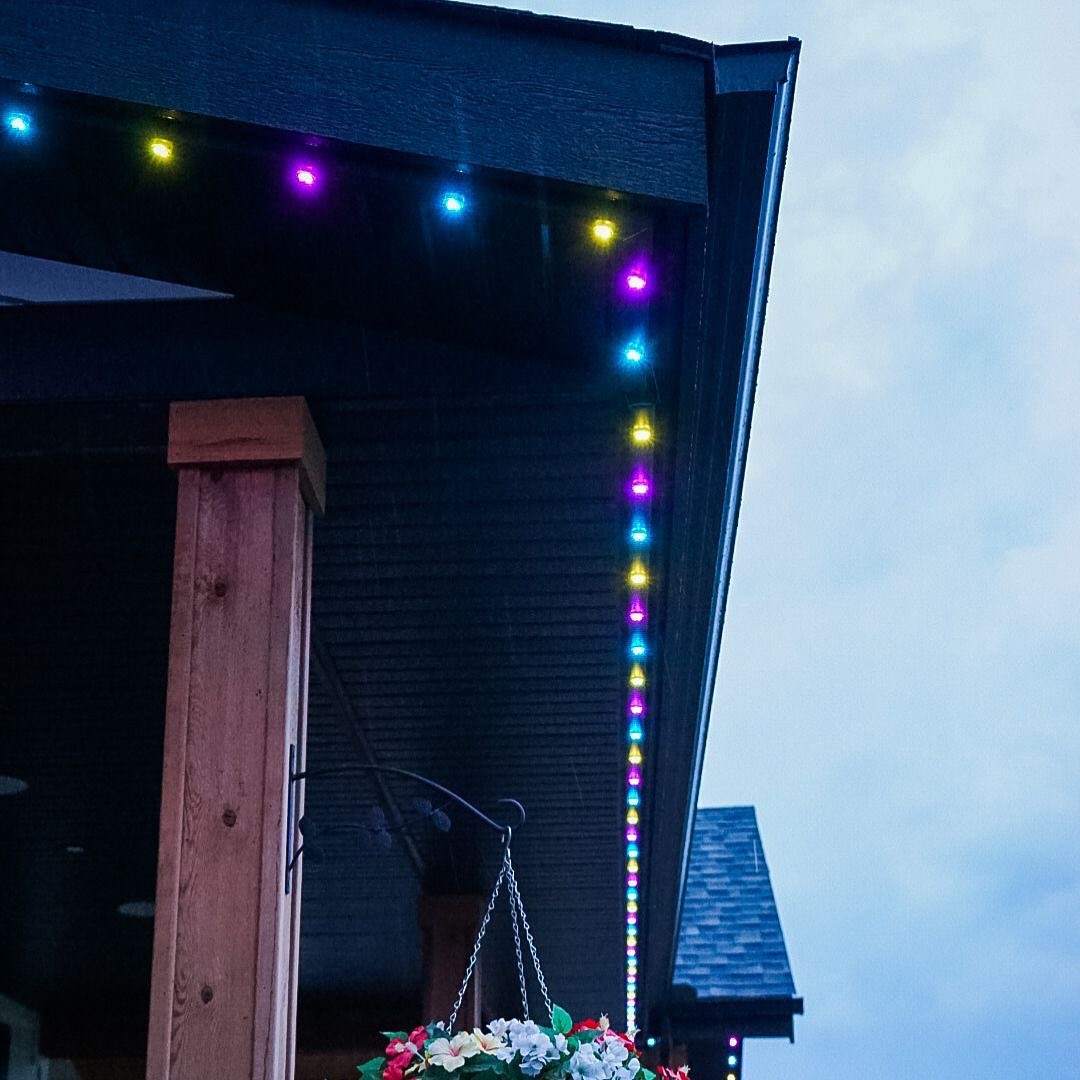
Permanent light installations represent a strategic shift from fleeting seasonal decorations to enduring architectural assets that serve businesses every day of the year. Historically, commercial properties and high-end residences treated outdoor lighting as a temporary expense, primarily for winter holidays. This approach is inefficient, as it limits the utility of the lighting to a few weeks while leaving the building dark and unbranded for the remaining months. By adopting a permanent solution, property owners can instantly transition from a festive Christmas display to a branded corporate color scheme or a subtle warm white architectural accent with a simple controller adjustment. This versatility ensures that the building remains a visual landmark 365 days a year, maximizing the initial investment.
ROI Analysis: Reduced Maintenance and Labor Costs
A close look at outdoor lighting finances shows that permanent systems give a better Return on Investment (ROI) than repeated temporary arrangements. The ongoing expenses of bringing in teams to put up and take down lights each year add up fast. These tasks often include risky work on ladders. Over time, those costs exceed the single upfront outlay for a permanent system. Plus, temporary lights often get damaged during removal and storage. This leads to steady replacement expenses. A skilled permanent setup cuts out these labor charges and safety risks. It uses energy-saving LED tech too. As a result, these setups also cut down on daily power bills. They make a wise choice for ongoing property care.
Critical Factors for Successful Permanent Outdoor Lighting Installations
Ensuring Electrical Safety with Low Voltage DC12V/24V Systems
Safety tops the list for any outside setup. That’s why the field has moved firmly to low-voltage options. Old high-voltage AC lights carry big risks of shocks and fires if wires get harmed. But today’s permanent setups mostly rely on DC12V or DC24V power sources. This low-voltage design keeps installers and upkeep staff safe. It also cuts down on power loss over long runs. That way, brightness stays even across the whole building front. For the best safety in setup, we suggest sticking to clear rules. For example, hook up the load wire first, then the power wire. This avoids short circuits while testing.
Weatherproofing Strategies: The Role of IP68 Ratings and Silicone Injection
Strength in outdoor settings hinges on how well the lighting blocks water entry. Moisture causes most LED products breakdowns. A real permanent setup needs to go beyond basic rain protection. It calls for parts with an IP68 waterproof rating. Top makers use strong sealing methods. They fill components with UV-proof Silicone or PU glue. This forms a tight barrier that shields the electronics from rain, snow, and damp air. At the same time, the material flexes with heat changes from -20°C to 60°C. If you skip this protection, so-called “permanent” lights will wear out in just a couple of seasons.
Mounting Solutions: Integrating Aluminum Profiles for Clean Aesthetics
Professional installation is defined by how well the lighting hardware integrates with the existing architecture during the daylight hours. The use of specialized accessories, particularly Aluminum Profiles, is essential for achieving a polished, invisible look. These profiles serve a dual purpose: they act as a robust mounting track that secures the lights against high winds, and they provide a housing that conceals unsightly wiring. By using color-matched aluminum channels and secure clips, the lighting system becomes an intrinsic part of the roofline or building structure. This ensures that the installation looks sleek and deliberate during the day, rather than appearing as a cluttered addition of hanging wires.
How Lighting Installations Boost Visibility and Security
Enhancing Nighttime Visibility with Programmable RGBW Patterns
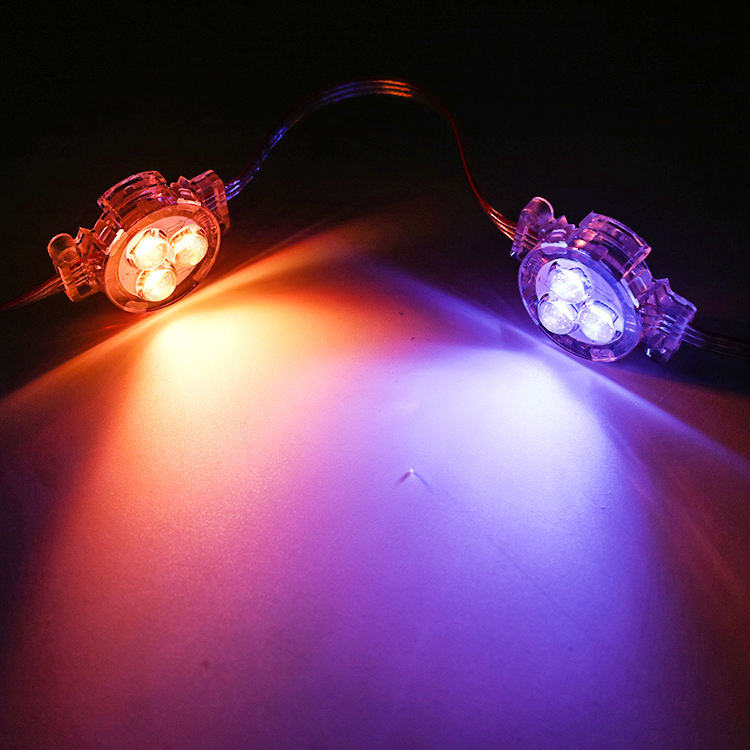
A business’s visibility ties straight to how well it grabs notice in a busy sightscape with lively lighting. Smart programmable setups let managers tap into color effects to pull in shoppers. For example, UCS2904 RGBW tech delivers clear, bright white for graceful structure outlines. It also handles bold, rich colors for events. Smart controls guide these lights. They form flowing designs or fixed looks that match the brand. In effect, the building turns into a huge, adjustable signboard. It pulls in views and visitors from afar.
Perimeter Lighting as a Passive Security Measure
Aesthetics aside, solid perimeter lighting acts as a key, hands-off security tool that runs nonstop. Shadowy spots and dark paths create weak points for break-ins and damage. Permanent lighting wipes out those hidden areas. It keeps steady light along roof edges, paths, and doorways. Thus, owners discourage would-be trespassers who seek dark cover. On top of that, better sightlines boost safety for walkers and staff. This lowers risks of slips and falls on business grounds. The mental impact of a lit-up building shows it’s in use, watched, and kept up well.
SHIJILIGHTING: Your Partner for Professional Lighting Projects
Comprehensive Product Ecosystem: From Pixel Strings to Controllers
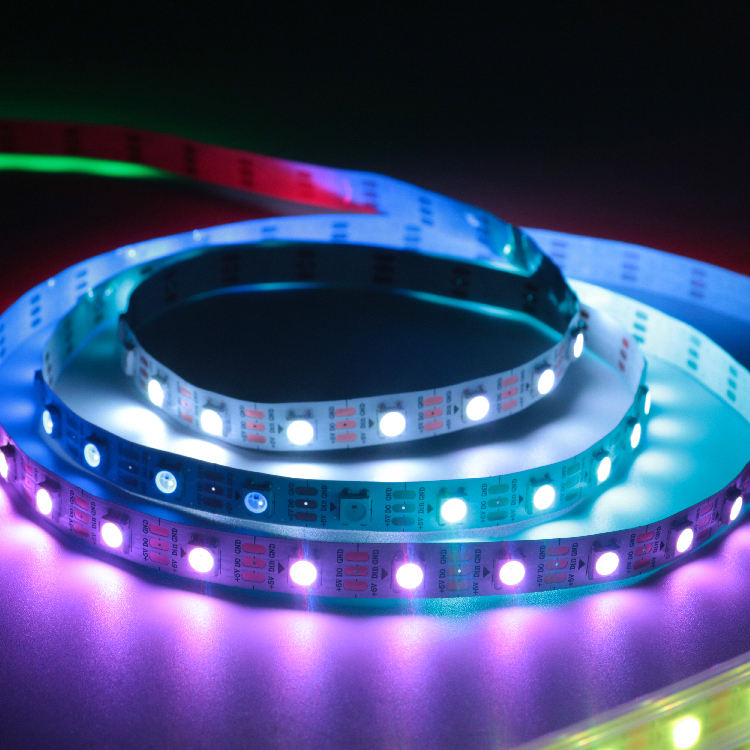
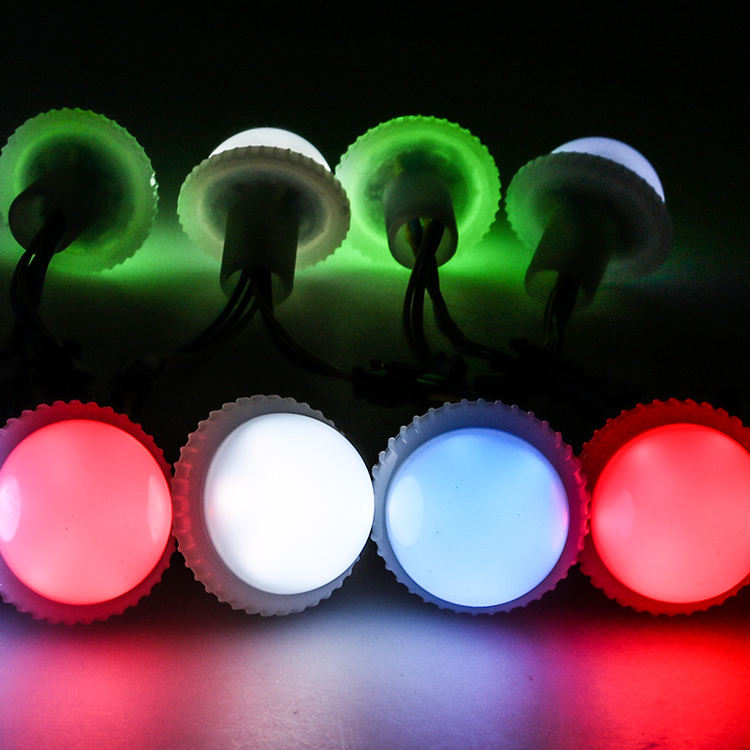
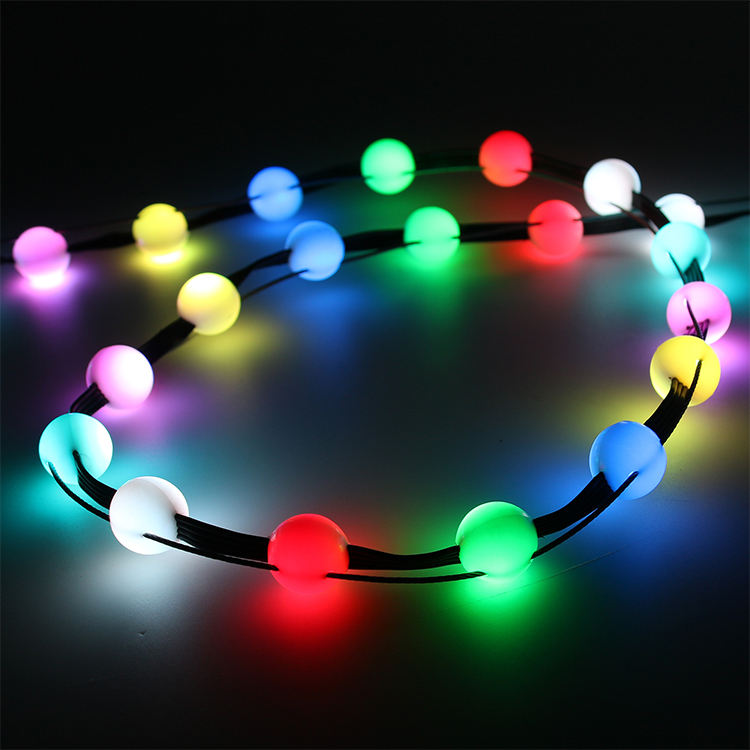
At SHIJILIGHTING, we grasp that a good setup needs a smooth set of matching parts, not just lone bulbs. Our lineup covers all project needs. It includes the tough 30mm SMD5050 Pixel Light UCS2904 RGBW 24V LED Point Light for Decoration for great color blending. There’s also the handy SJ-WIFI-UFO Controller. It lets users handle effects with ease on a phone. Projects might need straight lines from our Rigid Bars. Or they could use fun 3D setups with our 3D Pixel Ball. Our parts work together without issues. Our controllers handle standard signals like DMX512 and SPI. This gives setup pros room to make basic scenes or detailed shows synced to music.
Custom OEM/ODM Services for Complex Architectural Needs
Each building brings its own setup hurdles. That’s why we provide broad OEM and ODM options to fit exact project demands. We know off-the-shelf wire lengths or plugs often don’t suit tricky business designs. Our tech team teams up with customers. They adjust voltage needs, light spacing, and fix-up tools. This ensures a spot-on match that eases fieldwork. With a full 2-year warranty, our promise goes past the purchase. We deliver the know-how and build quality so partners can pursue and finish big permanent lighting jobs with full trust.
FAQ about Permanent Light Installations
Q: How do I choose the best permanent outdoor lighting brand for my building?
A: Pick a brand that focuses on business-level specs over store-bought gadgets. Seek out makers with full tech details, like IP68 waterproof ratings and DC12V/24V safety norms. These signals have lasting strength. Also, go for a provider with a full matching set, including controllers and fix-up tools. And make sure they offer years of coverage for ongoing help.
Q: What is the main difference between permanent lighting and traditional holiday lights?
A: The key gap is in toughness and handling. Standard holiday lights suit short use (IP44 or IP65) and usually run on high-voltage AC power. That’s less safe and wears out faster in weather. Permanent systems use sturdy chips like UCS2904 and solid tracks (Aluminum Profiles). They’re built to handle years of sun, rain, and snow without takedown. Plus, they give smart controls for color shifts all year.
Q: Are permanent light installations energy efficient?
A: Yes, they save a lot of energy. New permanent setups use LED tech, which draws far less power than old bulb types. What’s more, since they’re adjustable, you can time them to run just at set hours. Or you can lower the brightness to save even more. Low-voltage DC24V supplies boost the system’s power use too, compared to past high-voltage ones.
Q: Is it difficult to install a permanent lighting system on a commercial roofline?
A: Pros handle it best, but a smart design makes the job straightforward. Setups with Aluminum Profiles ease things. They offer a direct track for lights to click into. No need for single clips. Still, electrical links need caution. For instance, link the load wire before the power one to skip shorts. Pro systems stress this in their guides.
Q: Can I control the lights with my phone, or do I need a computer?
A: Most modern systems offer flexible control options to suit your needs. You can use a dedicated app on your smartphone via a Wi-Fi controller to easily change colors, set timers, or select patterns. For more complex, large-scale commercial displays, the system can be integrated with DMX512 consoles or computer software to create intricate, synchronized light shows that match music or video content.