What Is an Addressable LED Strip and How Does It Work in Modern Lighting Systems?
Understanding pixel-level LED control technology
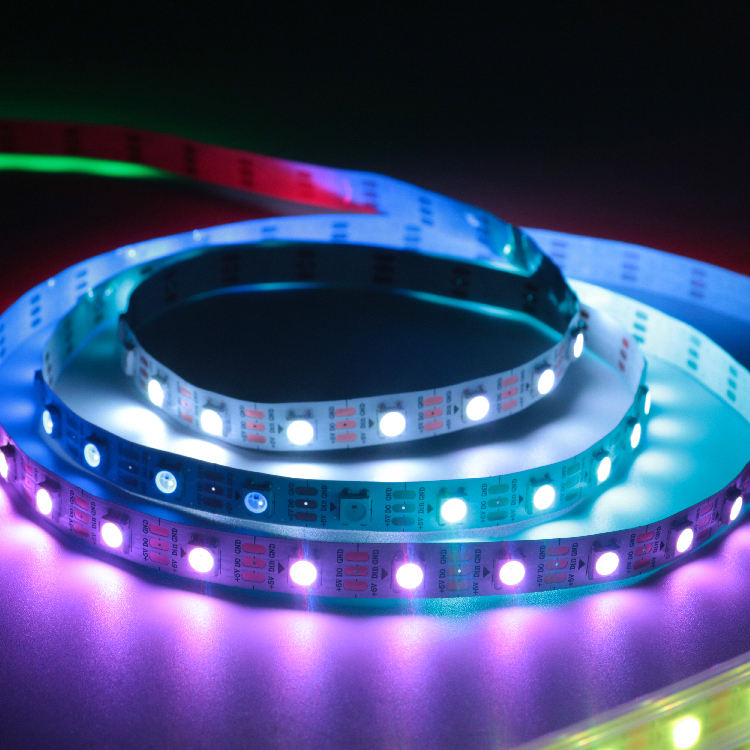
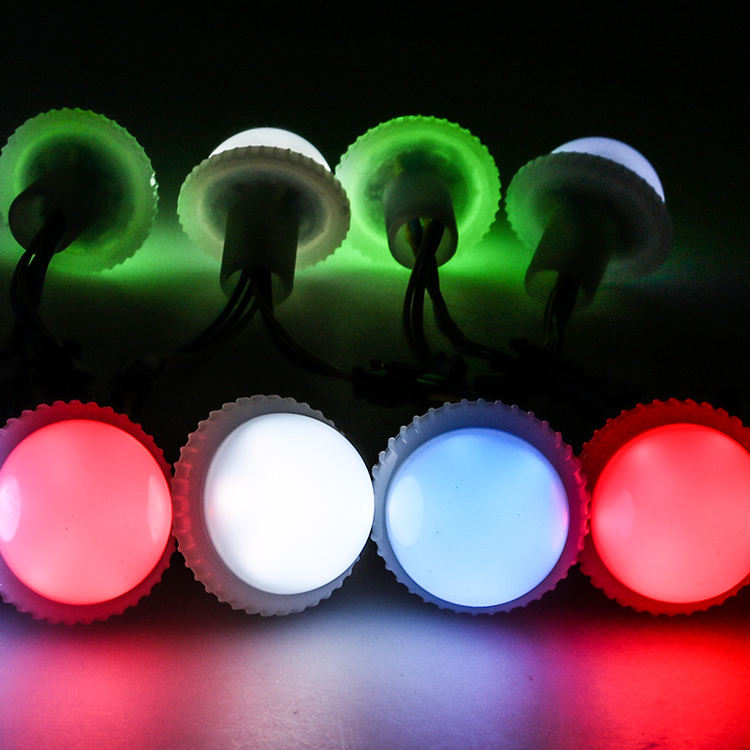
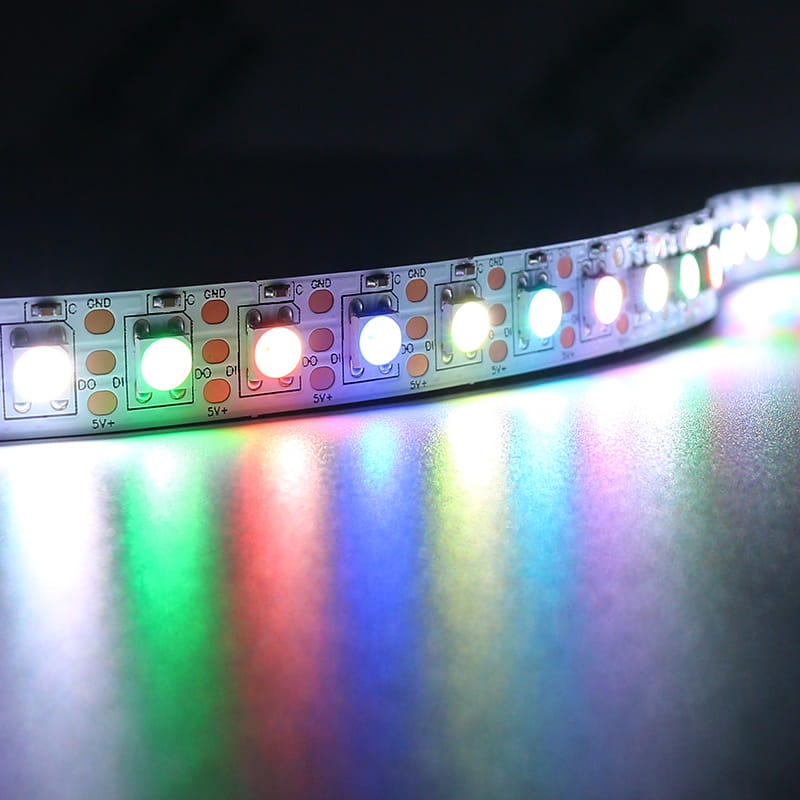
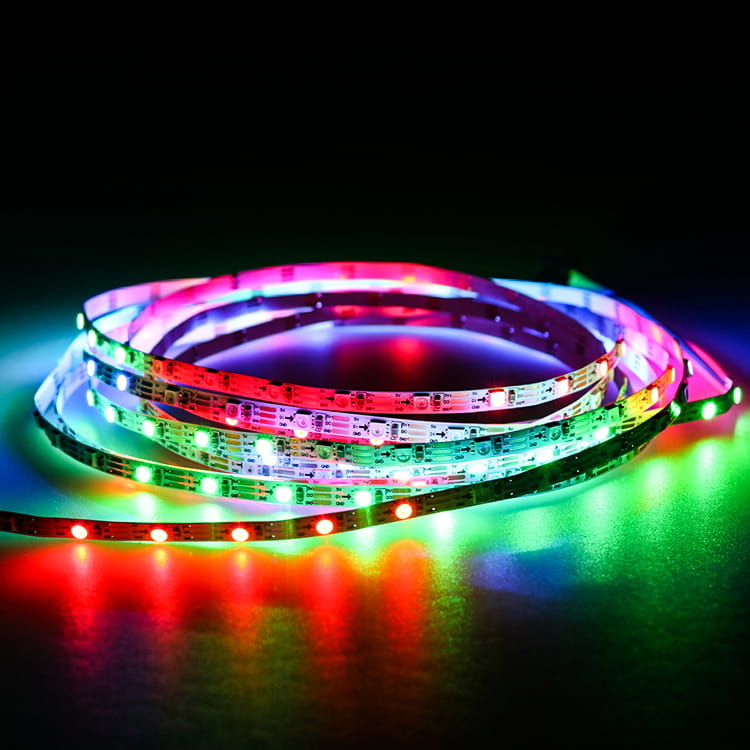
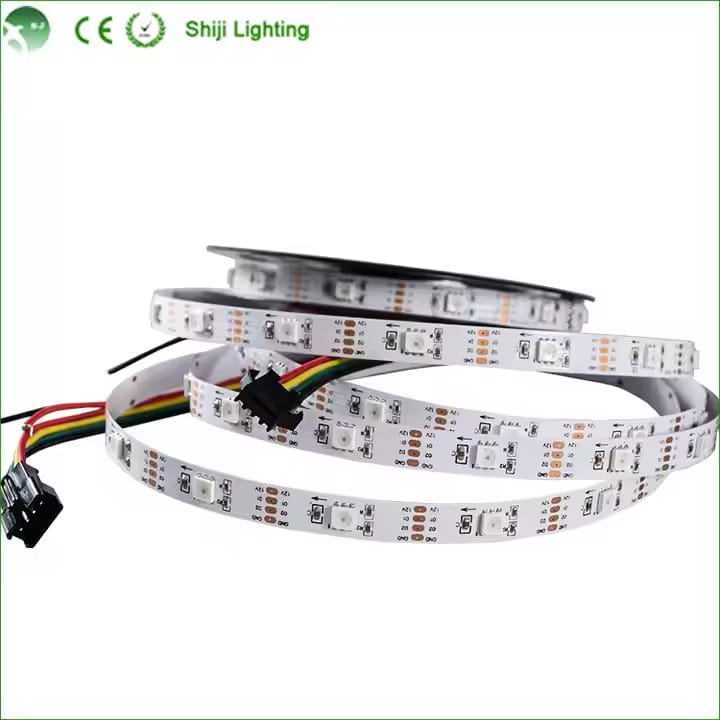
Lighting designers and procurement managers often work on complex visual displays in modern projects. An addressable LED strip solves this issue with an IC-based structure. Each LED diode or small group of LEDs has its own integrated circuit chip. This separate data processing lets the main controller send clear signals to individual pixel nodes. This type of control is how addressable strips create dynamic lighting patterns. They produce smooth color flowing, chasing effects, and detailed full-color animations. These features go well beyond traditional static illumination.
Why are addressable LED strips widely used in smart lighting design
Modern commercial spaces and high-end homes depend on strong visual impact. Addressable LED strips are popular because they provide very good smart home integration. They connect easily with main control protocols such as DMX or SPI. They support dynamic effects like a color gradient that responds to sound. They also handle an animation linked to preset scenes. This technology delivers a high level of creative lighting control for immersive environments.
What Is a Non-Addressable LED Strip and How Does It Work?
How non-addressable LED strips operate as a unified lighting system
A non-addressable LED strip works in a different way. It uses a standard single circuit lighting behavior. The whole strip shares the same voltage and control signal. So all LED chips show the same color and brightness across the strip at the same time. The strip acts as one single light source. It cannot create different colors in separate areas or produce running effects.
Why non-addressable LED strips are still widely used today
Non-addressable LED strips remain common in many large lighting projects. Their main benefit comes from simple design and reliable performance. They remove the need for complex IC addressing and programming. This results in much simpler systems. They also provide an easy installation process. These features make them a cost-effective choice for wide ambient lighting coverage.
Addressable LED Strip vs Non-Addressable LED Strip: What Are the Key Differences?
Lighting control differences (individual vs full-strip control)
The main difference is precision. Pixel-level control gives a lot of flexibility. Hundreds of colors can appear at the same time on one flexible PCB. On the other hand, group control only changes the entire strip together. This impact on lighting flexibility is the first point to consider when planning a complex architectural facade.
Visual effects and user experience differences
The choice between dynamic lighting and static lighting creates different commercial and emotional results. Dynamic lighting brings a clear sense of technology and interaction. This greatly increases brand engagement in retail spaces. At the same time, a static mood creation and decorative performance setup does well at producing a calm, even, and quiet background environment.
Installation complexity and system requirements
Pixel-driven systems need special data decoders and strict controller requirements. These steps help avoid signal interference. To fix a common industry issue with voltage drop and signal loss in long wiring, we at SHIJILIGHTING developed the DC12V UCS2903 Flexible Profile LED Strip. This 12V design allows longer runs from each power source. The strong UCS2903 IC keeps data accurate over distance. It cuts down wiring and setup differences and reduces maintenance costs. Standard strips need only basic power supplies.
Application suitability differences
These technical features mean addressable setups work very well for high-impact decorative lighting and media facades. Standard strips are good for functional lighting in regular residential vs commercial usage scenarios. Examples include warehouses or office buildings where low maintenance is important.
Where Are Addressable LED Strips Most Effectively Used?
Smart home entertainment and gaming environments
In the premium consumer market, dynamic pixel technology is common for immersive gaming room lighting setups. They work well as a TV backlight immersive lighting solution. Software can match the lighting to screen content in milliseconds. This action visually extends the edges of the screen.
Creative interior design and architectural lighting
Smooth color transitions matter for detailed ceiling cove lighting and premium accent wall and contour lighting. For these projects, SHIJILIGHTING recommends our DC5V APA102C Programmable LED Strip. It uses an advanced two-wire transmission protocol with data and clock lines. The strip supports high PWM refresh rates. This produces flicker-free animations with broadcast quality. It is the top choice for television studios and high-end automotive showrooms.
Personalized mood lighting for modern lifestyles
Modern interior designs focus on dynamic scene-based lighting. Addressable technology can change a hotel lobby from a lively event and atmosphere customization for a party to a calm evening reception. It matches the exact mood through careful programming.
Best Applications for Non-Addressable LED Strip Lighting
Functional lighting for kitchens and workspaces
Task areas need a clear vision. These include under-cabinet lighting or laboratory benches. Non-addressable LED strips supply stable, high-CRI pure white or warm light. They light up task-oriented illumination areas effectively. This supports safety and accuracy.
Long-distance continuous lighting installations
Hallways, corridors, and large linear architectural lighting in commercial centers may need many meters of steady light. Constant-current non-addressable strips complete these long runs with no color shift and no loss of brightness from beginning to end.
Simple and cost-efficient lighting solutions
Budget-conscious projects that need basic ambient lighting setups benefit from standard strips. Their easy plug-and-play installations make them popular with electrical contractors who want a fast setup.
How to Choose Between Addressable and Non-Addressable LED Strips?
Choosing based on lighting purpose and design goals
Decision makers should first define the main goal. Does the space need decorative vs functional lighting to attract attention? Knowing whether the aim is engaging mood lighting vs task lighting quickly decides the right technical approach for the whole project.
Choosing based on installation complexity and control needs
When a project has a professional integration team, smart control systems will get the most value from dynamic pixels. But if the project needs a quick DIY vs. a professional installation with no ongoing maintenance, the standard system is a safer choice.
Choosing based on project type and environment
For demanding outdoor residential vs commercial applications, SHIJILIGHTING offers our flagship DC5V SK6812 3535 RGBW LED Strip to clients worldwide. It combines RGB colors and a clean, separate white diode in one node. This meets varied color mixing needs while keeping strong protection. As a direct manufacturer, we provide a solid 2-year warranty on all products. This ensures your smart home vs traditional lighting systems perform well for many years.
FAQ
Q: What is the core difference between an addressable LED strip and a non-addressable LED strip?
A: The main difference is in the control method. An addressable LED strip uses built-in IC chips. These chips control the color and brightness of each pixel separately. This allows complex animations and chasing effects. A non-addressable LED strip can only show one color and brightness level across its full length at any time.
Q: Which LED strip lighting is better suited for integrating into a modern smart home system?
A: Addressable LED strip lighting works much better in advanced smart home setups. It connects smoothly with smart hubs and digital controllers. This connection gives dynamic visual responses. Examples include matching music beats, following schedules, or reacting to environmental changes.
Q: Is the wiring and setup for addressable LED strips more complicated than traditional lighting?
A: Yes, it is. Installing addressable LED strips usually needs digital decoders, data signal wires, and careful handling of voltage drop over distance. Even so, professional ICs with dual-signal transmission can make long-term maintenance much easier.
Q: How do I choose between an addressable and non-addressable LED strip for a commercial building project?
A: The choice depends on the design goal. An addressable setup is necessary for animated media facades or interactive entertainment spaces. If the project only needs standard wall washing or basic ambient light, a non-addressable LED strip offers better stability and lower cost.
Q: Which LED strip solution is best for a super long-distance continuous lighting installation?
A: For very long continuous runs, a constant-current or high-voltage non-addressable LED strip is the best option. It reduces voltage drop and keeps brightness even from start to finish. When dynamic effects are required for a long distance, use addressable strips together with multiple power injection points and signal amplifiers.