What Makes LED Strip Lights a Smart Choice for Home Lighting?
Why Are LED Strip Lights Gaining Popularity in Residential Spaces?
LED strip lights have become a preferred lighting solution in modern homes due to their exceptional energy efficiency and long-term savings. Compared to traditional incandescent or halogen lighting, LED strips consume significantly less power, reducing electricity bills without compromising brightness. This makes them an environmentally friendly and cost-effective option.
A big plus for LED strip lights is how easy they are to set up. You can trim them to exact sizes and curve them around edges. This lets them fit different room shapes and building details. For instance, place them below cabinets, on stair edges, or behind media setups. Their slim build blends right in without notice.
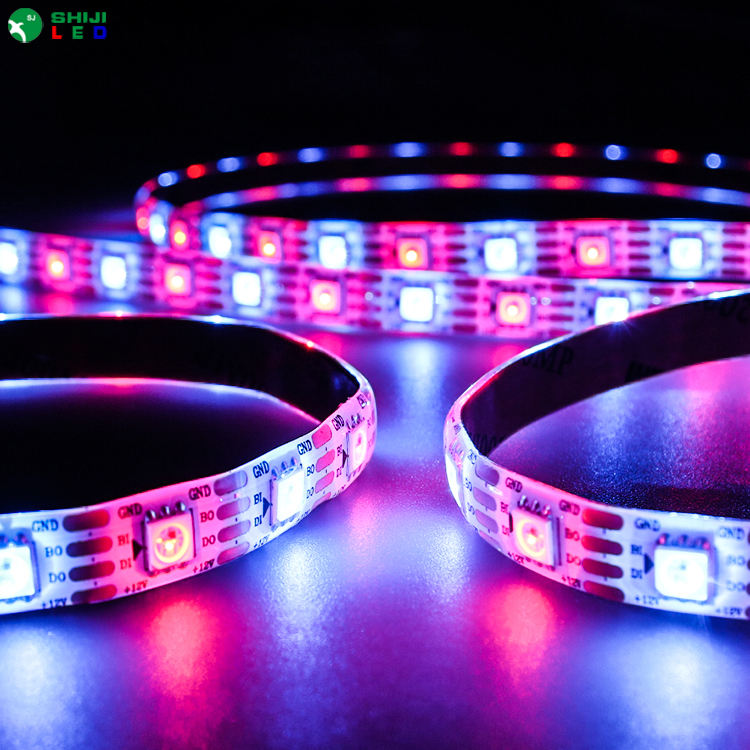
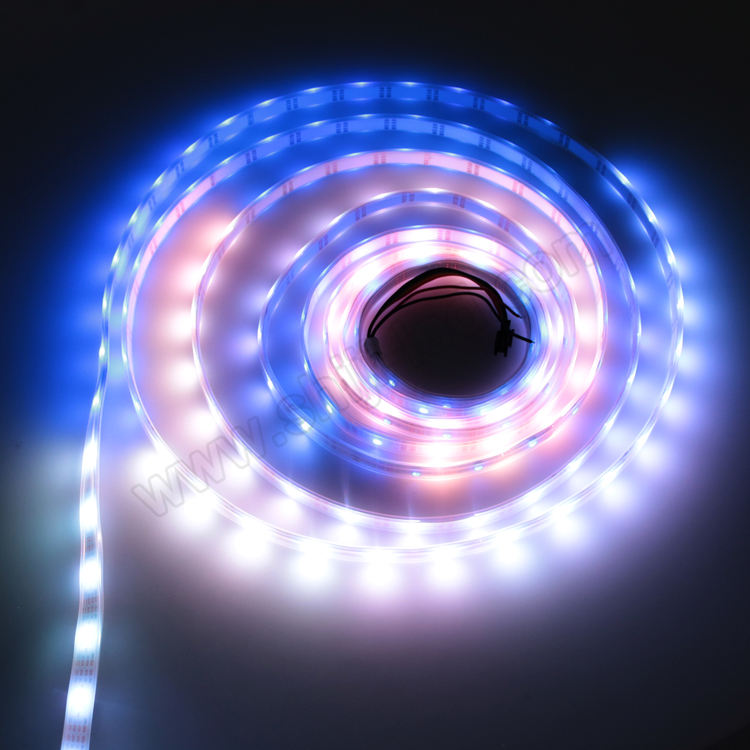
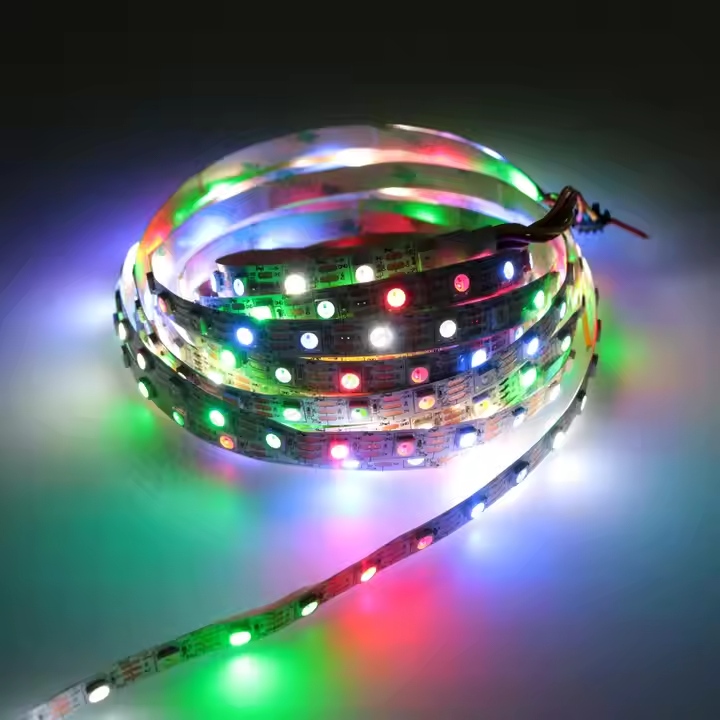
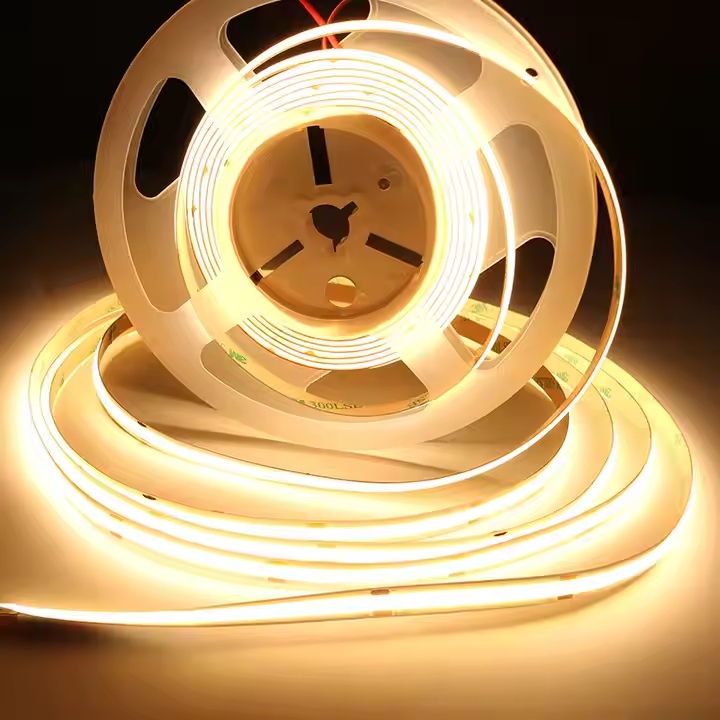
People who own homes also like the style options of these strips. You can change the brightness and light warmth. Choices include RGB or tunable white types. This way, you match the lights to any feeling or event. It comes in 5M/roll with 4-pin female/male connectors on both ends, separated power/ground wires, and a customized length is workable.
How Do LED Strip Lights Improve Everyday Living?
One standout feature of current LED strip lighting is how it boosts the feel of a space. You can dim them or shift colors. This lets you go from lively shades for gatherings to soft tones for calm nights. Such control makes daily spots more pleasant.
Aside from looks, LED strips work well for focused tasks. In kitchens, they light up spots for cooking prep. In bathrooms, they brighten areas near mirrors. And in home offices, they ease eye tiredness with direct desk glow. Options with high CRI (Color Rendering Index) give true color views. This matters a lot in those areas.
Plus, lots of LED strip lights now link with smart home systems. They connect to voice helpers or phone apps. This setup allows auto controls and far-off access. As a result, it brings ease and lifts how users interact.
How to Choose the Right LED Strip Light for Each Room?
What Should You Consider When Selecting Strip Lights for Living Areas?
When outfitting living rooms or common spaces with strip light solutions, it’s important to choose the right color temperature. Warm white (2700K–3000K) is ideal for relaxation and social interaction, while cooler tones may be reserved for more active zones.
Smart placement boosts how things look. Lights in the ceiling edges make a gentle upward glow. Strips behind TVs cut glare while watching. And setups under seats give a lifted look that freshens rooms. The 2835 flexible strip series, such as the Waterproof SMD2835 RGB Digital LED Module 24V 80mm LED Pixel Light String from SHIJILIGHTING, has adjustable CCT (2700K–6500K). Thus, users can tweak lights for tasks or daily shifts.
To keep open areas comfy, aim for balance. Lights that are too strong can feel sharp. Too little light might tire eyes. So, go for dimmable LED strips. They spread even brightness to fix these issues.
Which Features Matter Most for Kitchen and Bathroom Applications?
Strip lights for kitchens and bathrooms need to handle damp spots safely. So, water resistance and strong IP ratings count a lot. SHIJILIGHTING’s IP65-rated waterproof 5050 RGBW strips with silicone coating fit these needs. They last well and perform steadily.
High CRI levels are vital in kitchens, too. True colors help with food tasks. Strips at CRI90+ offer real light that shows items clearly. This boosts kitchen use overall.
Good heat control keeps them safe and long-lasting. Aluminum channels spread warmth well. This helps when strips sit under cabinets or in tight spots.
What Type of Strip Lights Work Best in Bedrooms and Home Offices?
In bedrooms, lights should aid calm and good sleep. Warm white strips build a snug setting. Tunable white types let you adjust for body clocks. Such options help with rest habits.
For home offices, pick low-glare picks to cut eye strain over long work. COB strip lights shine here. They give steady light without LED spots.
Sensors for motion and timers add real perks. They turn the lights on when you enter. Or they shut off after a set time. This saves power yet keeps things handy.
Where Should You Install LED Strip Lights to Maximize Impact?
How Can You Use LED Strips to Highlight Architectural Features?
LED strip lights do a fine job at spotlighting building details. Put them along the top moldings or in the ceiling dips. This makes mild side light that adds shape and grace. You can also light wall patterns, small nooks, or hanging shelves from behind. It creates key spots in rooms.
What Are the Best Techniques for Functional Lighting Applications?
Functional use of LED strips includes under-cabinet lighting in kitchens or laundry rooms for clear visibility during tasks. Illuminating staircases or hallway baseboards enhances safety by preventing trips during low-light conditions.
Strips on flexible PCB with cut parts fit just right, even in narrow or odd spots. Flexible PCB material, each LED/Pixel can be cut, making these strips useful for many setups.
Can LED Strips Be Used Creatively Without Overpowering the Space?
Yes, strip lights can add flair while staying low-key. Light behind mirrors, bed ends, or art frames for effect. It adds punch without taking over. Mix main, work, and extra lights for even flow. This builds interest and layers.
RGBW or tunable white strips let you manage strength and shades. Homeowners can shift the vibe as they want. Highlight parts when needed. Or lower the glow for quieter feels.

What Technical Factors Determine the Performance of LED Strip Lights?
How Does Brightness Level Affect Application Suitability?
Brightness is measured in lumens per meter (lm/m), and its appropriate level depends on room size and function. Bedrooms may require only 300–600 lm/m for soft glow, whereas task-heavy zones like kitchens may need 1000 lm/m or more.
SMD LEDs in high numbers keep the light even over long lines. No dim spots show up. High-density SMD LEDs, ensuring uniform brightness across strips, help keep the look steady in setups.
Why Is Color Temperature Crucial in Home Lighting Design?
Options like warm white (2700K), neutral white (4000K), and cool white (6000K) change how rooms feel and work. Warm picks go with nights and ease. Cool ones spark up mornings or close tasks.
Tunable white strips shift through the day. They mimic sun patterns. This aids health and fits home styles by setting.
What Role Do Power Supplies and Controllers Play in System Stability?
Steady power stops flickers or drops in voltage. Pick drivers that match needs like 5V/12V/24V. This keeps the setup running smoothly.
Controllers like dimmers, RGB/RGBW types, or smart centers allow set routines and matched light shows. Controller System: SD controller, DMX controller, Artnet, and so on give plenty of ways for smart setups.
How Does SHIJILIGHTING Deliver Superior LED Strip Light Solutions?
What Sets SHIJILIGHTING’s Products Apart Technically?
At SHIJILIGHTING, we aim to supply strong LED strip options for home use. Our smart PCB builds keep the voltage even over the full length. This avoids light unevenness. We also offer many CRI90+ choices. They bring real color shows for true views in homes.
Our LED strips use tough parts with solid joins. They run long and use power well. This suits heavy use in every room.
Which Product Series from SHIJILIGHTING fits specific room needs?
For Living Rooms & Bedrooms:
The 2835 flexible strip series with adjustable CCT (2700K–6500K) suits mood setting. It gives changes for daytime or events.
For Kitchens & Bathrooms:
Try our IP65-rated waterproof 5050 RGBW strips with silicone coating. They resist damp and give bright shades. Good for work and style lights.
For Accent & Decorative Use:
Our COB continuous light strips give smooth, spot-free light. They fit well for lighting mirrors or shapes where a clean look counts.
How Do We at SHIJILIGHTING Support Seamless Project Execution?
Engineering Support:
We give custom help like cutting to size, matching aluminum channels for warmth spread, and tips on heat handling. All to get the best results in any setup spot.
Logistics & Fulfillment:
Our chain brings quick shipping to areas with steady stock. This hits project dates on time.
OEM/ODM Services:
We focus on made-to-order growth from client ideas. This offers full custom fits for special home lighting needs.
FAQ
Q: Which brand offers reliable LED strip light solutions for home use?
A: SHIJILIGHTING offers a wide range of reliable LED strip lights tailored for residential applications. Our products include high-density SMD LEDs and CRI90+ options that ensure uniform brightness and accurate color rendering across all living spaces.
Q: How do I choose the best LED strip light for my kitchen?
A: Look for waterproof models with IP65 ratings, high CRI values (90+), and sufficient brightness (over 1000 lm/m). SHIJILIGHTING’s 5050 RGBW silicone-coated strips meet all these criteria while offering vibrant color options suitable for task lighting.
Q: Are COB strip lights better than traditional SMD strip lights?
A: COB strips offer dot-free continuous illumination that is ideal for ambient lighting where visual comfort matters most. SHIJILIGHTING’s 768leds/m COB RGB model provides smooth light output perfect for bedrooms or decorative use cases.
Q: What’s the difference between RGBW and tunable white LED strip lights?
A: RGBW allows multicolor effects plus true white light via separate diodes; tunable white adjusts between warm and cool whites without colors. Both types are available from SHIJILIGHTING, depending on your desired ambiance flexibility.
Q: How long do quality LED strip lights typically last?
A: SHIJILIGHTING’s products are built using high-quality materials and undergo rigorous testing. Most models come with a 2-year warranty and can last up to 50,000 hours under proper usage conditions.