Why Choose Addressable LED Strip Lights for Your Next Upgrade?
Beyond Standard RGB: The Power of Individual Pixel Control
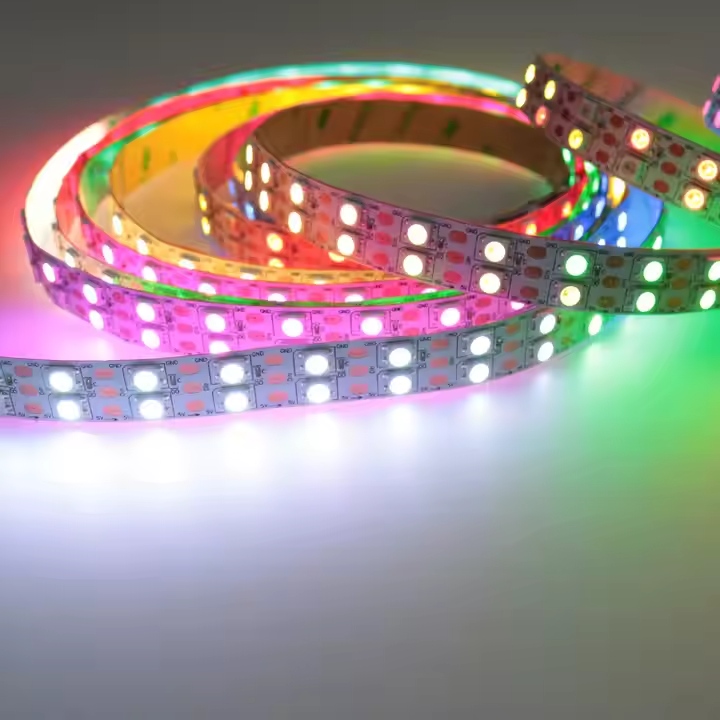
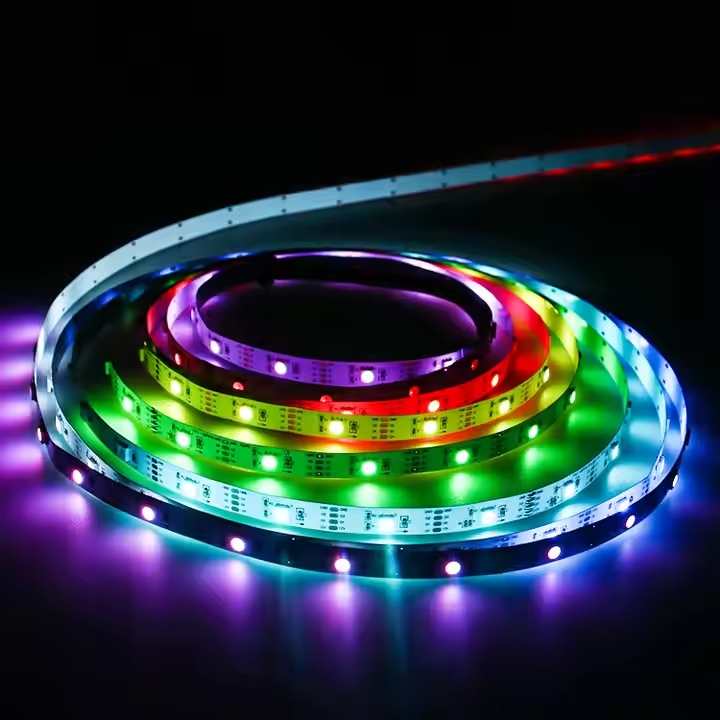
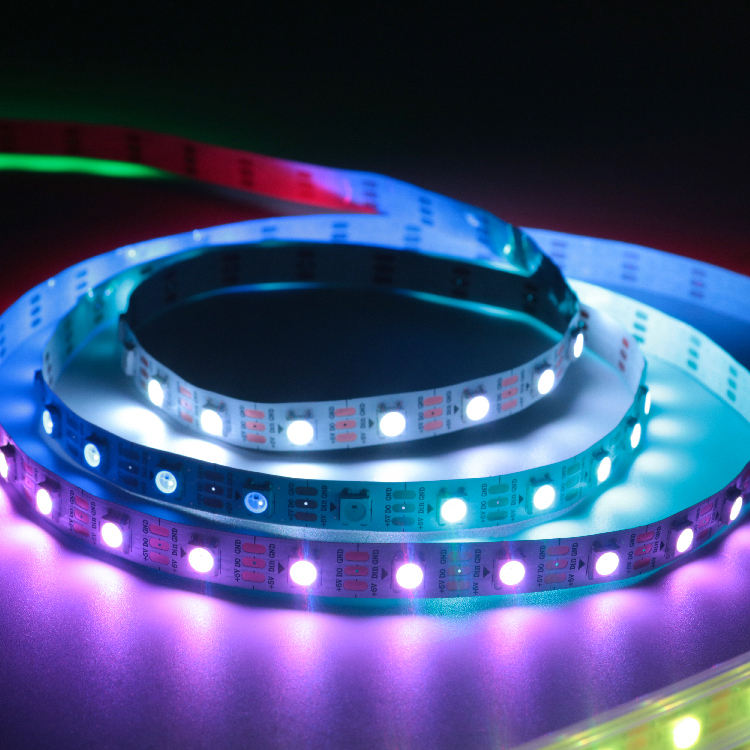
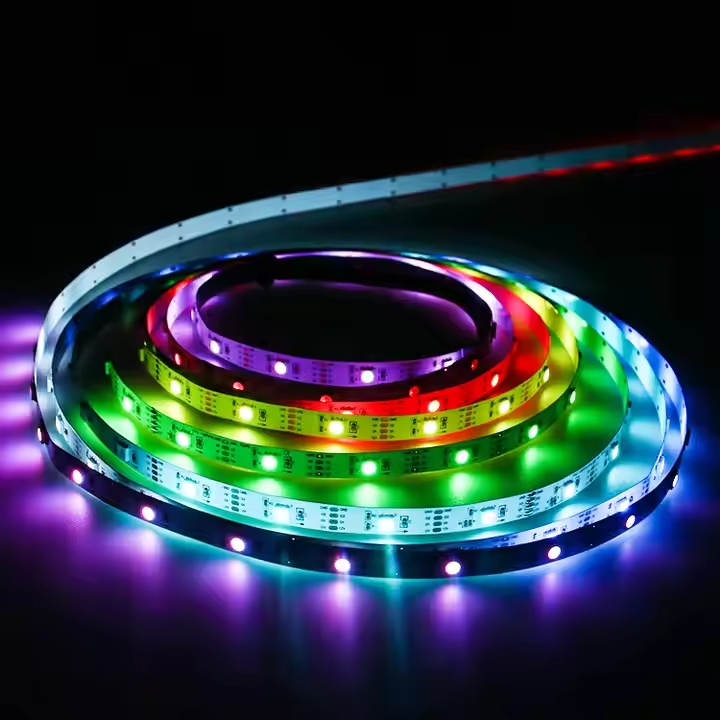
Addressable LED strip lights give better customization than basic RGB strips. They let you manage every single pixel. Standard analog strips force the whole length to shift to one color at once. But addressable types support detailed animations. Think about chasing patterns, rainbows, or meteor paths. This exact handling changes a plain lighting arrangement into a lively sight. It suits business shows and home users who want flexibility.
Energy Saving LED Technology: Smart Efficiency for Modern Spaces
Current addressable LEDs aim for top power use savings. They draw much less electricity than old lighting while giving a stronger shine. These strips use smart IC chips. So users can light just certain parts or lower single pixels. This cuts the total power needs a great deal. It beats running a full strip at max. Such aimed lighting lowers bills. It also lengthens the setup’s life. This fits well with green building ideas.
Top Indoor Addressable LED Projects to Elevate Interior Design
Immersive Gaming Room & Home Theater Backlighting
Building a deep gaming area often uses tight addressable LED strips. They link with screen images to ease eye tiredness and build a mood. Place 5V pixel strips behind screens or TVs. This creates an “Ambilight” style. The back light copies on-screen colors live. The project needs little power. Lights change often. So LEDs stay away from full white brightness all at once. That keeps energy use low.
Smart Ceiling Cove Lighting for Architectural Depth
Hidden cove lighting with 24V addressable LED strips adds fine building layers to rooms and sleep areas. It holds good power savings. For long edge paths, 24V setups work better than 5V ones. They cut the power loss. So color and shine stay even from start to finish. No need for many power ads. This gives gentle, surrounding light for moving around. Often, it skips bright main ceiling lights.
Floating Furniture Effects: Under-Cabinet & Staircase Lighting
Putting motion-sensing pixel LED Strips under cabinets, beds, or steps raises safety and style. It avoids a steady power pull. A sensor turns lights on only when required. This makes it a useful, savings way to use addressable LEDs. The hidden source makes a “floating” look. It brings a fresh feel to kitchens and halls. Energy stays very low.
Innovative Outdoor & Commercial Addressable LED Applications
Permanent Holiday Lighting: A Year-Round Solution
Fixed holiday lighting uses tough addressable pixel strings. They end the repeated, risky, and pricey work of yearly setup. Once placed under the roof edges, these IP68-rated waterproof systems are set by a controller. They show Christmas designs in December. They do Halloween looks in October. Or they give warm white building light the rest of the year. This “set once, use always” way cuts waste and fixes costs over time.
Dynamic Commercial Facades & Storefront Signage
Shops use settable DMX512 LED neon flex for changing fronts. It draws buyers. It saves power with timed dimming and patterns. Old glass neon lacks bend and strength. But addressable LED neon flex bends, lasts, and runs on low power. This makes it safer and thriftier for big outside signs. The DMX way keeps signals steady over far reaches. That is the key to matching building lights.
Weatherproof Garden Pathways & Landscape Accents
Garden jobs need IP67 or IP68-rated waterproof addressable strips. They handle rough weather. They give a saving path light. Use sealed strips or firm pixel bars along walks. Homeowners can change garden lights for the seasons. These low-power outdoor setups suit kids and animals. Their strong savings let solar batteries power them well.
Key Factors When Selecting the Best Addressable LED Strip
Voltage Selection: 5V vs 12V vs 24V LED Strips
Picking the right voltage among 5V, 12V, and 24V matters a lot. It stops the power drop and keeps running in long LED strip jobs. 5V strips fit small dense pixel work like grids. But 12V and 24V suit full room setups better. They move current well over lengths. 24V strips cut heat loss in the copper board. This means a steadier, thriftier light system.
IC Chip Types & Compatibility: WS2812B, WS2815, and DMX512
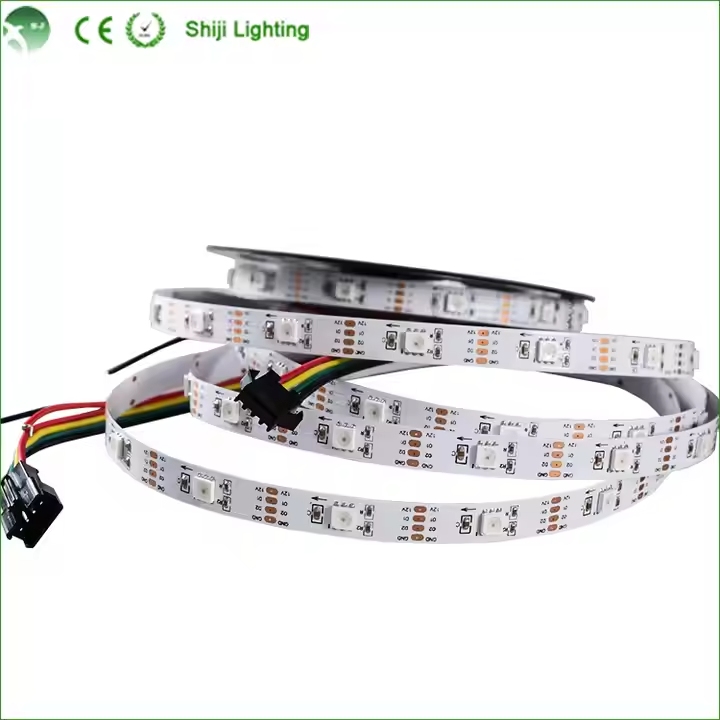
Choosing the proper IC chip, like dual-signal WS2815 or GS8208, brings setup steadiness. It has a “breakpoint resume” feature. Old chips like WS2812B are common. But if one pixel breaks, the whole tail goes out. New chips have a spare data path. It skips the bad pixel. The rest lights up. For pro business work, DMX512 is the top pick. It gives sure control. Big setups run smoothly without delay.
Power Supply & Controller Integration
A matched power source and fitting controller are vital for a green LED system. It runs without extra heat or waste. Users need to figure out the total watts for their addressable LEDs. Pick a supply with 20% extra room. This aids life and savings. Also, smart controllers with light level cuts and time sets help. They manage power well. Lights avoid full run when not needed.
How SHIJILIGHTING Delivers Customized & Energy-Efficient LED Solutions
Expertise in Custom Addressable LED Manufacturing
At SHIJILIGHTING, we focus on making strong addressable LED options. They fit tough business jobs and fun home builds. As a direct factory with full OEM/ODM skills, we give tailored fixes. This includes set strip sizes, water levels, and board shades to fit your spot. We see that each job differs. So we aim to make the setup easy. We boost sight effect too.
Advanced Technology for Maximum Power Savings
Our items are built for the best shine with less power draw. Take our SJ-10060-8208-12V model. It has a dual-signal send for top trust and power handling. For clean, even light, we have the SJ-100768RGB Light Decoration 768leds/m DC24V RGB COB LED Strip 14w/m COB RGB Led Strip Light. It gives thick light with great savings. We use fine copper boards and save LED chips. They cut the heat and power drops. Your job stays safe and cheap to run. We back our build quality with a full 2-year warranty. This gives calm for your light spending.
FAQ about Addressable LED Strip Projects
Q: What is the best brand for addressable LED strips?
A: When looking for the best brand, you should prioritize manufacturers that offer direct factory support, customization options, and robust warranties. SHIJILIGHTING stands out by providing high-quality, energy-efficient addressable LEDs like the WS2815 and DMX512 series, backed by a 2-year warranty and professional OEM services to ensure your project’s success.
Q: How do I choose the right addressable LED strip voltage?
A: You should choose the voltage based on your project’s scale: use 5V for small, pixel-dense projects like wearables or PC mods, but opt for 12V or preferably 24V for room-perimeter lighting and long architectural runs. Higher voltage (24V) significantly reduces voltage drop, allowing for longer continuous runs with more consistent brightness and better energy efficiency.
Q: WS2812B vs WS2815: Which one is better for large projects?
A: For large or critical projects, the WS2815 is the superior choice compared to the older WS2812B. The WS2815 features a dual-signal data line with a “breakpoint resume” function, meaning if one LED fails, the signal bypasses it and the rest of the strip stays lit, whereas a single failure on a WS2812B strip causes all subsequent LEDs to turn off.
Q: Can addressable LED strips be used for outdoor permanent lighting?
A: Yes, addressable LED strips are excellent for outdoor use, provided they have the correct IP rating. You must select products with an IP67 (silicone tube) or IP68 (silicone glue/injection) rating to ensure they are fully waterproof and dustproof, making them safe for permanent installation on building exteriors or in gardens.
Q: Are addressable LED lights energy efficient compared to regular bulbs?
A: Yes, addressable LED lights are highly energy-efficient because they allow you to control the brightness and color of individual pixels. Unlike regular bulbs that waste energy lighting up an entire area uniformly, addressable LEDs can be programmed to light up only necessary sections or run at lower brightness levels for effects, resulting in significant power savings over time.