Understanding LED Strip Lighting
What is LED Strip Lighting?
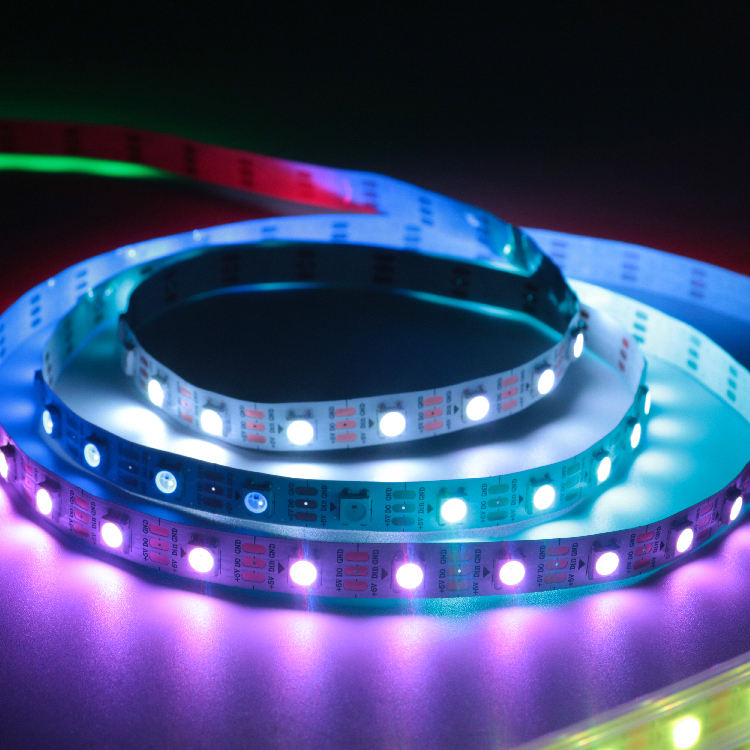
LED strip lighting is a flexible circuit board that is populated with light-emitting diodes for producing excellent illumination and color. The product is customizable and can be arranged to cover almost any length through cutting. LED strips are often covered in silicone or plastic housing and can be used for a wide range of lighting applications including accent lighting, task lighting, or as decoration for both outdoors and indoors.
Common Applications of LED Strip Lighting
LED strip lights are popular due to both their multifunctional design and possibility to establish a unique style to the application they are used in. The list of common application is rather long, as these products could be used for architectural lighting of houses and public buildings, under cabinet of kitchens, as lighting of both commercial televisions and advertisement signs, and even automotive. The features of LEDs to create dynamic changing of colors are often used for establishing an exciting and attractive environment for parties, events, and artistic installations.
Types of LED Strip Lights
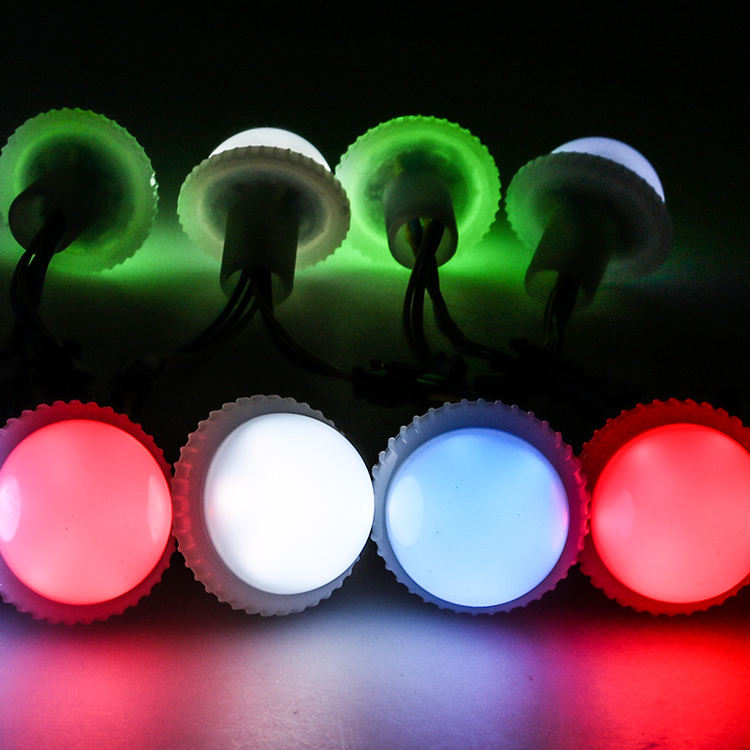
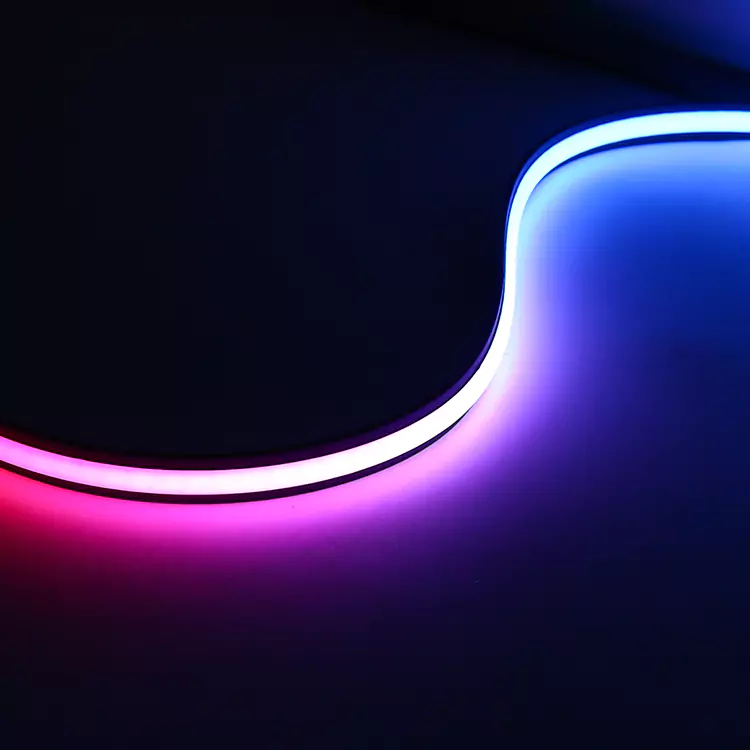
There are numerous types of LED strips available to cater to different lighting requirements. For example, neon LED strip can provide a more modern and cool lighting effect. Holiday night club LED strip can liven up the atmosphere of the scene through rich lighting effects. And home lighting LED strip can also provide a warm and comfortable environment atmosphere. The choice of LED strip depends on the intended application, with different brightness levels and color temperatures available to suit various aesthetic and functional needs.
Energy Efficiency Comparison: LEDs vs Traditional Lighting
Power Consumption Analysis
In terms of energy consumption, LED strip lights are significantly superior to incorrect and fluorescent lighting. The former require a fraction of the energy and consume between 7.5 and 36 watts when measured per meter of LED strip. It is due to this minimal energy requirement that electric bills related to their use will also be lower.
Lifespan and Durability
This is another pro due to the fact that the lifespan of LED strip lights is significantly longer than of other traditional ways of lighting. Thus, high-quality LEDs last for about 50,000 hours, which is about 17 years in 8 hours per day usage mode. At the same time, traditional bulbs will need to be replaced after some 1,000 hours. Fewer replacements lead not only to cost savings but rational use of resources due to reduced waste, which makes LED strip lights even more energy-efficient.
Lower Heat Emission
LED lighting releases much less heat than standard ones. Due to this quality, strip lighting becomes much safer for use in enclosed areas. First of all, this is because the user will not be subjected to the fire hazard posed by overheating light bulbs. Besides, since using LED lights does not require an air-conditioner, this option of lighting can make considerable contributions to the energy saving in commercial settings. The possible limitations of this fact are that some types of lighting do not produce too much heat, and there are possible options of using it in other ways.
Environmental Impact and Benefits
Reduction in Carbon Footprint
Laser strip lights are energy efficient solutions that reduce greenhouse gas emissions during their operations. Several energy assessments record that employing LED technology to compute other lighting solutions help decrease the overall carbon footprints. This is beneficial to businesses for supporting their sustainability goals and reducing their negative impacts on the environment.
Recyclability of LED Materials
LED strips are made of parts which are recyclable, such as certain plastics and aluminum. These materials make LED lighting a better alternative to traditional kind because they are not made of toxic components. The impact of electronic waste on the environment may be mitigated by proper disposal and recycling of LED components
Compliance with Energy Standards and Certifications
Most of the LED strips are made in accordance with the industry standards and certifications, such as ENERGY STAR or CE certification. Such standards are rather indicative of the particular product’s compliance with the necessary industry requirements; however, it also means that it is based on a recognizable environmentally friendly technology and has a typical energy usage measurement.
Cost Savings and Economic Advantages
Initial Investment vs Long-term Savings
It is quite evident that such investments require higher initial costs than before. The sum, in this case, is compensated in the short run. Monthly utility bills are reduced by lower energy consumption, while fewer replacements reduce the overall cost of maintenance. Therefore, even though the investment may seem quite expensive at the beginning, over time, users will receive the benefit of it.
Maintenance Costs and Requirements
LED strip lights are very easy to maintain, primarily because of their long useful lifespan and extraordinary toughness. Unlike incandescent and fluorescent lighting, LEDs do not demand to be replaced frequently, and every substitute or upgrade doesn’t necessitate purchasing an entirely new system. Regular maintenance needs can vary depending on environmental influences like dust and moisture, although LED strip lights’ resilience to common damage keeps the work required to a minimum. For commercial operations, this implies less need for service labor hours and less downtime, which will save money on short-term help and enhance general efficiency through improved use of the facilities in normal operation.
ROI: Return on Investment Evaluation
The return on investment for switching to LED strip lights is notable. Due to a lower power consumption and a decrease in maintenance needs and durability improvement, businesses and homeowners will have their payback period from an initial investment within a relatively short period. Moreover, increased productivity due to the better lighting in premises and a general appeal of illuminated homes contribute to the setup.
Enhancing Aesthetic Appeal and Versatility
Customization and Flexible Design Options
LED strip lighting provide users with outstanding customization opportunities, which means that everyone can come up with lighting they love. One of the main aspects of this flexibility is the variety of colors and levels of brightness that are available. Whether one prefers soft warm white lights, classic white, or fun RGB colors, it is possible to use LED strips to create the perfect ambiance for any event. At the same time, different levels of brightness allow for creating more ‘subdued’ lights to fit perfectly in the home interior of choice, as well as maximize the utility of the strips for workspaces, where task lighting is a necessity.Shiji Lighting offers a range of LED strip products, making them an excellent choice for anyone looking to enhance their lighting experience.
Cutting-to-size features of LED strips add extra customization to it as it can be adjusted for any available space. Thus, it is simple for homeowners and businesses to cut strips to the right size without losing their functionality. Moreover, since the equipment is usually provided with an adhesive back, LED strips are easy to place at any surface. The design of the latter also benefits from such flexibility, as it usually suits different architectural styles perfectly.
Integrating LED strip light with smart home system is another approach to enhance its versatility. Multiple LED strips can be controlled by applications or smart devices and be customized to change the color, dim or turn off, or set light sequences. This way, it will not only be convenient for users but may also help them organize lighting based on their activities or mood, making the environment more adaptable.
Practical Considerations for Homeowners and Businesses
Installation Tips and Guidelines
Before deciding to utilize LED strip lighting for their homes and businesses, it is vital for people to understand the process of the installation. For this purpose, one would need a tape measure to choose the most appropriate length of the strip. A pair of scissors is also essential to be able to cut the strip to fit the desired size. Afterward, it is important to have a soldering iron to be able to join all strips when needed. Insulation tape or a set of clips will allow people to attach the lighting to the wall or ceiling. A vital component of the installment process is the presence of a power supply unit. It is important to find a proper power supply to protect the strip from electric failure and to make sure that the setup would work without any delay.
The first step of the installation process is planning the layout. Users need to measure the spaces where they intend to install LED strips and determine the connection points and places where they would put the power supplies. They can then cut the strips following the designated cutting lines, and remove the adhesive backing to apply strips to the cleaned surface. Then they have to firmly press on the strip so that it sticks to it. If the installation is more complicated and requires linking several strips, users can solder them together or use connectors to make sure the appropriate supply of power reaches all segments.
Choosing the Right LED Strips for Specific Needs
Picking the proper LED strips is integral to achieving the anticipated lighting and performance. The first detail homeowners and businesses need to assess is whether they want their strips indoors or outdoors. Though indoor strips will often work for general lighting, there are outdoor types with more durability and weather conditions resistance that is perfect for environmental exposure.
The classification of the waterproof LED strip is important when determining the product. Seemingly, the majority of LED strips will feature an IP classification rating. For instance, IP65 certification means that the strip is weatherproof from the rain. Other types of LED strips will have IP67 classification and will be protected from the immersion in water. This class information is important to define which rating is the most suitable for application from consumer end.
Integrating Shiji Lighting’s Product Offerings
Overview of Shiji Lighting’s Premium LED Strip Products
The range of Shiji Lighting’s LED strips includes options that cater to different electrical requirements, color temperatures, and design preferences. Whether a user is looking for RGB options for dynamic lighting schemes or static white lights for functional purposes, Shiji Lighting provides an array of choices that can enhance any space. The durability and energy efficiency of these strips ensure that they are not only effective but also economical, making Shiji Lighting a trusted brand for those looking to upgrade their lighting solutions.
Features and Benefits Specific to Shiji Lighting’s LEDs
Shiji Lighting’s LED strip products come with a host of features designed to maximize user satisfaction and performance. One notable attribute is the sleek and lightweight design, which allows for easy installation and enhances the flexibility of where they can be placed. This reduced weight does not compromise quality; in fact, it allows for creative applications in challenging spaces without unnecessary bulk.
The energy efficiency of Shiji Lighting’s LED strips is a significant selling point, as they produce minimal heat while using significantly less power compared to traditional lighting solutions. This results in lower operating costs for users while also contributing to a more sustainable approach to lighting. Furthermore, the long lifespan of Shiji Lighting’s products means fewer replacements and reduced waste, making it a responsible choice for environmentally conscious consumers.
In summary, the energy efficiency benefits of switching to LED strip lighting are apparent across both residential and commercial applications. With customizable options that enhance aesthetic appeal, as well as robust offerings from Shiji Lighting that underscore product quality and performance, individuals and businesses alike can make informed choices that align with their lighting needs and sustainability goals. Led strip lights represent a smart investment in a brighter, more efficient future.
Encouraging Better Energy Practices
Moreover, the spread of LEDs may have affected cultural diffusion creating awareness of energy-efficient practices. Switching to LED strip lighting enables people and companies to promote the emergence of a new culture of responsible energy use. Encouraging people to use LED technologies will promote the discussion of other useful ways of saving energy, contributing to the switch to more energy-efficient alternatives by numerous communities and companies.
The promotion of education regarding the benefits of LED lighting is likely to give the consumers not only the economic benefits of the products but also the broader or global perspective of the outcomes of their choices. Both workshops and informative leaflets could explain to them that switching from regular ropes to LED strips reduces carbon emissions, decreases the energy consumption, etc. People are likely to learn more about these aspects and make LED strip lighting a conventional choice for their households and buildings.
It is worth noting that businesses should take advantage of LED strip lights and incorporate sustainability into their measures or agencies. By choosing to use such energy-efficient forms of lights, organizations can transmit a wealth of information on their brand. As a result, they can either establish a connection with other activities by increasing the tendency towards enhanced living standards or better the energy-efficient products thereby satisfying the demands of the sustainability conscious consumers. Several loyal clients and partners would be attracted to companies that offer such positive elements as the narrative of their energy conservation and ultimate reduction in energy bills.
When we talk of LED strip lighting, we do not only refer to a particular design that integrates well with various spaces. It is rather a contribution to the creation of an energy-efficient future. When people follow the steps that the use of LED strips encourages them to complete, they adhere to the future’s energy consumption patterns. The way people interact with the environment changes their norms regarding light and living conditions on the one hand, and they have a positive impact on the environment and the possibility of the country’s economic growth on the other.