Types of LED Strips
Single-Color LED Strips
LED strips that emit one color are known as single color LED strips and are commonly used for simple lighting purposes like under cabinet lighting and accent lighting in different hues like warm white or cool white varieties offered by Shiji Lighting in flexible PCB materials with choices, for waterproof or non waterproof designs to cater to different needs. These panels are budget eco-friendly options that are widely chosen for both homes and businesses.
RGB and RGBW LED Strips
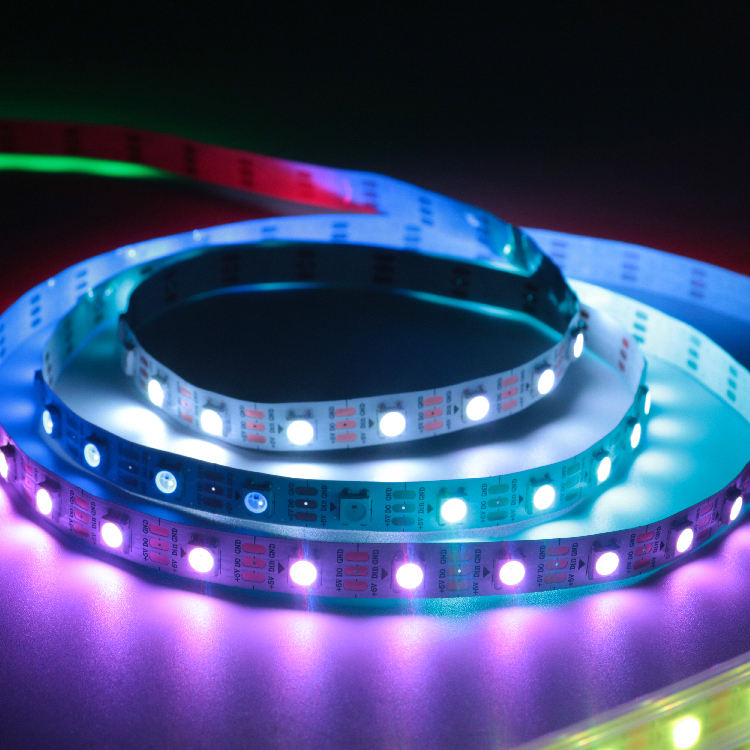
RGB LED strips blend red and blue LEDs with green to produce a range of colors that can create dynamic lighting effects through adjusting the intensity of each color. Like fading or flashing lights, it does the trick! For a punch of brightness and pure white light benefits in RGB LED strips world there are RGBW LED strips equipped with an additional white LED chip like Shiji Lighting 12V GS8208 Pixel RGB LED strip that stands out for its high brightness level and customizable effects which can be controlled through programmable controllers allowing flexibility in various settings such, as entertainment venues or decorative setups.
Addressable LED Strips
LED strips that are addressable offer the ability to control each LED individually along the strips length. This functionality allows for animations and designs that can be synced with music or video content.Brands like Shiji Lighting SK6812 LED strip provide compatibility with various control systems like Bluetooth and Wi Fi. These innovative attributes make addressable strips ideal for applications such as stage lighting,setups, for displays, and artistic endeavors.
High-Density vs. Standard-Density LED Strips
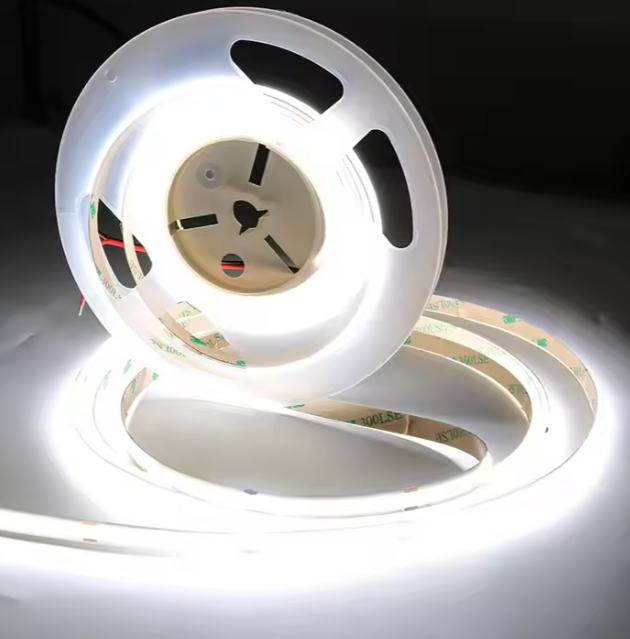
High density LED strips contain a number of LEDs per meter in comparison to standard density strips which leads to a brighter light and a more even spread of light without any noticeable gaps between the individual LEDs.High density LED strips are perfect for scenarios that demand lighting like backlighting or use in retail displays.Standard density strips are a budget friendly option and are suitable, for general purpose applications.
Factors to Consider When Choosing an LED Strip
Brightness and Lumens Output
The intensity of light emitted by an LED strip is quantified in lumens per meter units.Higher lumens correspond to increased brightness levels that’re crucial for illuminating work areas or expansive rooms.Lower lumen values may be suitable, for creating ambiance or decorative lighting purposes.Shiji Lighting provides a range of brightness options tailored to diverse needs and preferences.
Color Temperature and Color Rendering Index (CRI)
The color temperature of light decides if it looks yellowish tone. or cool (bluish tone). It is measured in Kelvin (K). Warm white light (2700 K. 3000 K range) gives a feel whereas cool white light (5000 K. 6500 K range) is more suitable for work areas.The Color Rendering Index (CRI) measures how accurately colors are represented by the source with a higher CRI score (, above 80) ensuring better color accuracy.
Power Requirements and Voltage Compatibility
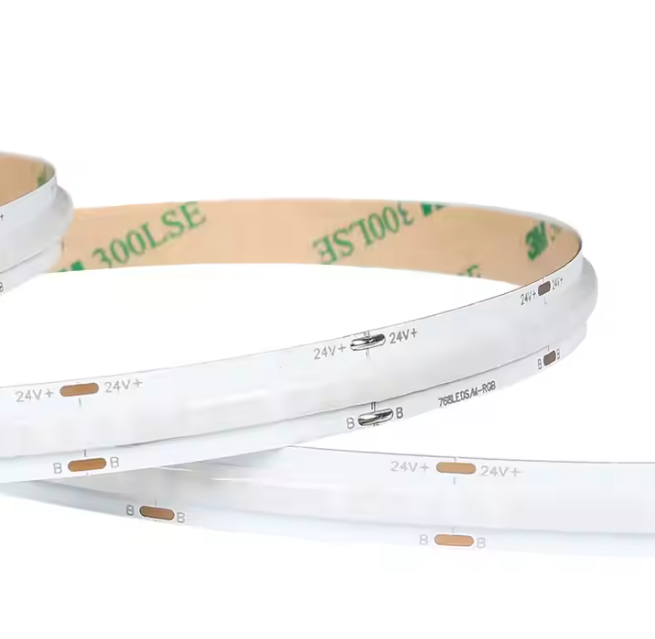
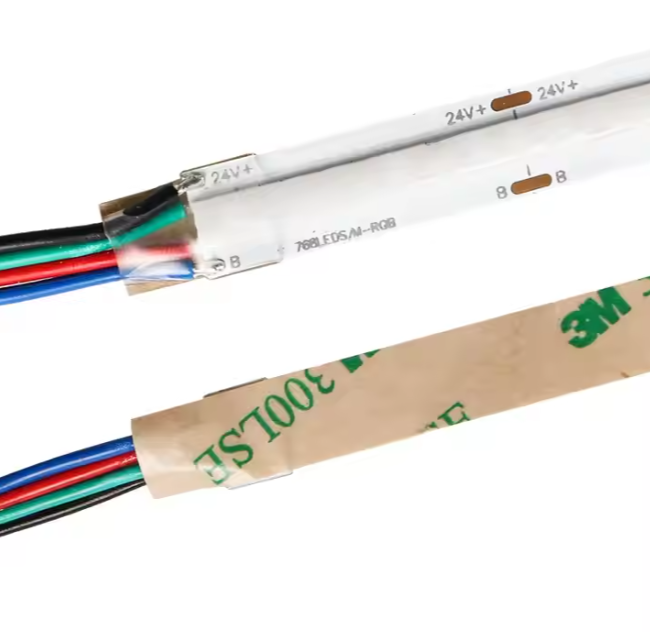
LED strips typically operate on low voltage (5V, 12V, or 24V). Ensuring compatibility with your power supply is crucial to avoid damage to the strip or inconsistent performance. For example, Shiji Lighting’s COB RGB LED strip operates at DC24V with high efficiency. Always check the power consumption (watts per meter) to select an appropriate power adapter.
Applications of LED Strips
Residential Lighting Applications
LED strips have become quite popular for lighting up kitchen counters and cabinets in houses and adding a touch of ambiance to living room ceilings or highlighting mirrors and shelves with glows. Homeowners love how versatile they are to decorate their spaces uniquely while also being energy efficient.
Commercial Uses of LED Strips
In business environments LED strips improve product presentations in shops, set up welcoming ambiances in eateries or lodgings, and offer lighting in workplaces. RGB and white addressable strips are especially useful for branding goals, by presenting colors dynamically.
Outdoor and Automotive Applications
LED strips designed for use with waterproof coatings work well for enhancing the aesthetics of landscaping projects such as garden pathways or poolside areas and are also great for adding style and visibility to automotive applications both inside the car and, along its exterior.
Installation Tips for LED Strips
Selecting the Right Adhesive or Mounting Mechanism
Many LED light strips that are not waterproof include a backing for simple attachment to flat surfaces.With regards to tough situations, it is recommended to utilize mounting clips or aluminum channels, for increased strength and longevity.
Wiring and Power Supply Considerations
To maintain a performance and prevent flickering or overheating it’s important to wire everything correctly when setting up your lighting systems. Make sure to use connectors that are suitable, for the voltage requirements of your LED strips and ensure that the connections are secure if you need to cut and join sections together. Shiji Lighting often includes 4 pin JST SM connectors at both ends of their 5 meter reels.
Ensuring Proper Heat Dissipation
Make sure to allow for heat dissipation by avoiding enclosed areas with poor ventilation when setting up high power density strips such as the ones provided by Shiji Lighting to ensure they last long and perform well.
Maintenance and Troubleshooting for LED Strips
Cleaning and Maintaining Your LED Strips
Regular maintenance is crucial for keeping your LED strips in condition and ensuring they last a long time while performing at their best. Keeping your LED strips clean on a basis can help prevent the buildup of dust and dirt that could impact the brightness and effectiveness of the lights. When cleaning waterproof LED strips it’s best to use a soft microfiber cloth that’s lightly dampened with water to delicately wipe the surface. Stay away from using chemicals or rough materials since they could harm the strip or its adhesive backing.
When it comes to LED strips like the ones from Shiji Lighting that have IP65/IP67 ratings clean up is a breeze. These strips are protected by layers of silicone or epoxy making them resilient against moisture and dust. You can easily wipe them clean with a cloth or a gentle soap solution without any concerns, about water related harm. Shiji Lighting offerings are crafted to last ensuring they keep working reliably in tough conditions.
For waterproof LED strips with adhesive backing to stay in place effectively; Make sure the mounting surface is clean and dry when installing them. 2) If the adhesive weakens over time, Use sided tape or mounting clips to secure them. 3) For use;. Think about using aluminum channels, for extra support and heat dispersal.
Common Issues with LED Strips and How to Fix Them
LED strips are usually dependable. As, with any electronic gadget they might face some issues as time goes by. Here are a few typical problems and how to resolve them
- If your LED strip isn’t lighting up all the initial step is to inspect the power supply carefully to make sure it’s a good match with the voltage needed by your strip (such as 12 volts or 24 volts). For instance Shiji Lighting GS8208 Pixel RGB LED strip runs on DC 12 volts. Needs a power source that fits the bill perfectly well. Go over all connections meticulously to guarantee they are firmly, in place and devoid of any signs of corrosion.
- In some parts of the Strip Not Working problem typically arise from a disruption, in the circuit or a faulty segment of the strip itself LED strips that feature SK6812 IC chips enable separate control of every pixel; thus issues in one part may not impact the rest You have the option to remove the damaged segment following specific cutting lines and reconnect the sections using connectors or solder
- Incorrect Colors Displayed If your RGB or RGBW strip is showing incorrect colors, it could be due to a wiring issue or a malfunctioning controller. Double-check that the wires are connected to their corresponding terminals (R-G-B-W). Additionally, ensure that your controller is programmed correctly for your specific strip type.
- Sometimes flickering lights can be due to not having power or having loose connections in the system. To prevent voltage drops in your LED strip lights ensure to use a power adapter that meets the required wattage for the type of strip you have. For instance high density strips use more power per meter, than standard density ones.
- Excessive heat can shorten the lifespan of your LED strip lights so it’s important to manage heat by placing high power density strips in well aerated spaces or utilizing aluminum channels as heat dissipation solutions, for better longevity and performance of your lights.
FAQ
Q: Can I cut LED strips to custom lengths?
Certainly! LED strips typically have designated cutting points that allow you to trim them without causing harm to their performance levels –, like how Shiji Lighting programmable LED strips come with cutting markers every 16 67mm for accurate modifications to suit your needs perfectly.
Q: Why is my LED strip showing incorrect colors?
When the colors on an RGB or RGBW strip don’t match up correctly with what you expect to see it usually points to a problem with how things are wired up or set on the controller side of things. Make sure that each wire (red for red color channel LEDS, green for green and blue for blue color channel LEDs, respectively ) is properly connected to its corresponding terminal at both ends of the strip. Special products like Shiji Lighting SK6812 LEDs come with high tech controllers that allow you to tune the colors just right. If you’re still seeing issues after double checking your connections and settings as well as making sure everything is connected where it should be on your strip then there might be a problem with either your controller not working properly or possibly an issue with one of the IC chips, on the strip itself being damaged in some way.
Contact Us
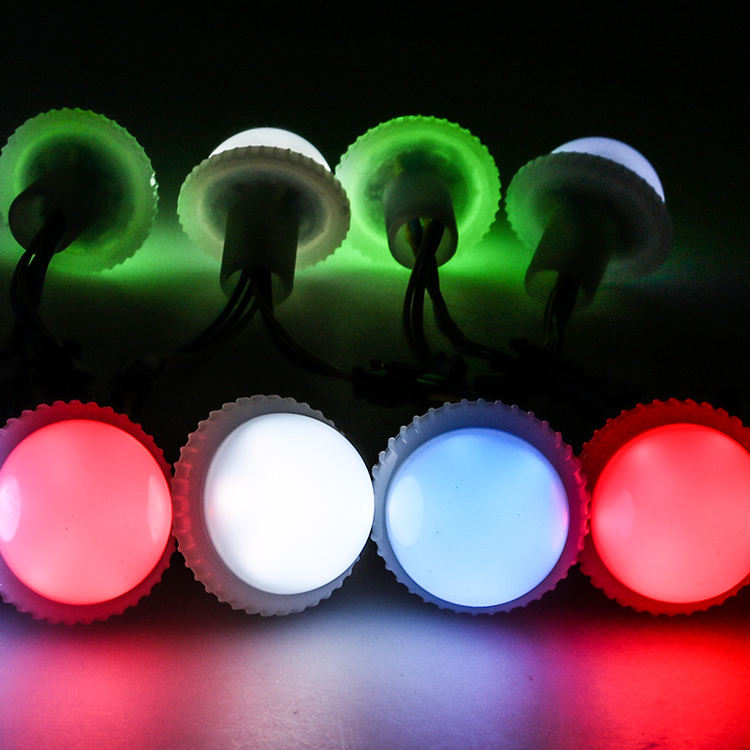
At Shiji Lighting Co., Ltd. we focus on delivering notch digital LED products designed to cater to a wide range of requirements. Our lineup features customizable LED strips with addresses and programming capabilities well as pixel lights and backlight modules for signs and beyond. Whether you need lighting solutions for home projects or expansive business setups, our team is ready, with cutting-edge technology and skills to turn your ideas into reality. Feel free to contact me if you have any queries about managing your setup or require assistance in choosing new products that are right, for your needs!