Preparing for Integration
Choosing the Right Programmable LED Strip for Your Needs
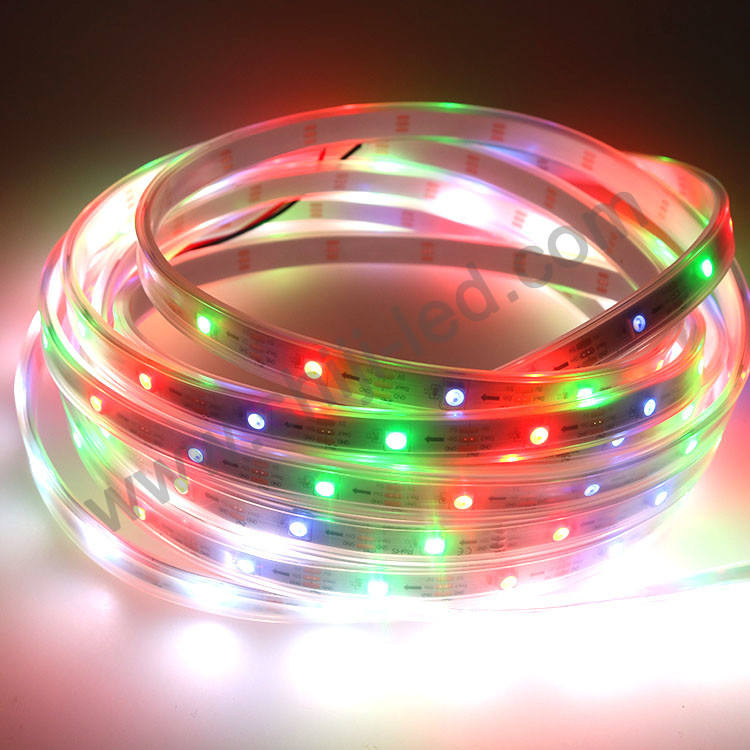
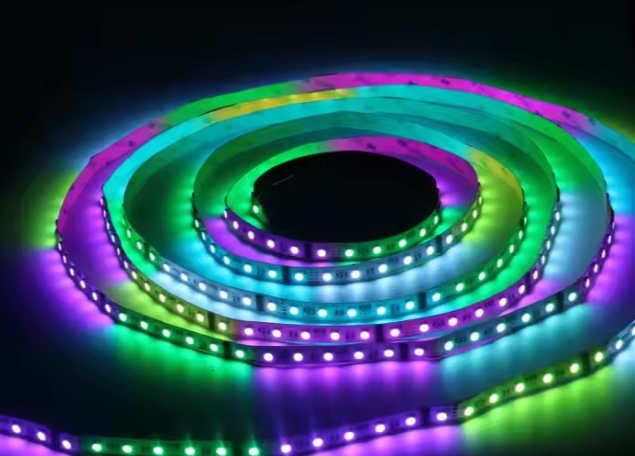
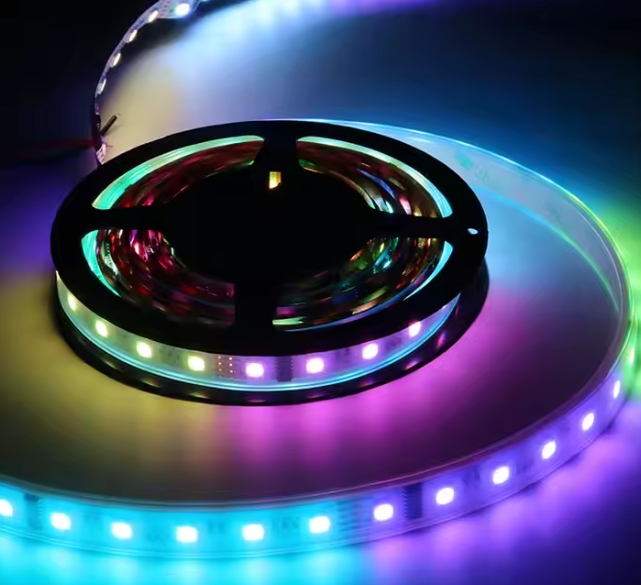
When choosing an LED strip for your smart home setup, it’s important to think about your specific needs first and foremost. If you’re after a customizable lighting solution, then products like the 12-volt GS8208 Pixel 60LED Full Color Changing SMD5050 Addressable LED Light Strip could be a great fit for you. These strips come with LEDs that can be controlled individually, which opens up a world of lighting possibilities. For use where durability is key against varying weather conditions, you might want to consider waterproof options, like the Waterproof 5-volt SK6812 SMD5050 RGB LED Strip. Make sure to check that your devices are compatible with control systems such as Bluetooth or Wi Fi controllers.
Tools and Materials Needed for Installation
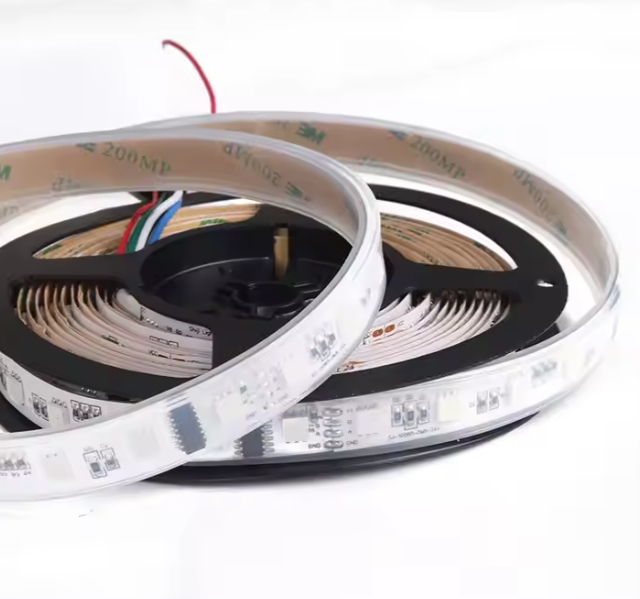
To install programmable LED strips, gather essential tools and materials such as a screwdriver, adhesive tape like the 3M tape included with some models, wire cutters, and connectors. Many LED strips come with pre-installed connectors, such as the 4-pin JST SM connectors, simplifying the installation process. You may also need a power supply unit that matches the voltage of your chosen strip—typically 5V, 12V, or 24V.
Safety Guidelines for Handling LED Strips
It’s really important to prioritize safety when handling parts, so make sure to turn off the power before messing with any wires and use tools with insulation to avoid any accidental shorts from happening! Also, double-check that your programmable LED strip matches up with the power source to prevent any overheating or harm to the system itself. If you’re using strips like those rated at IP65 or higher for damp settings, just remember to seal those connectors tightly to keep everything safe and dry!
Setting Up the Hardware
Installing the LED Strip in Your Desired Location
Start by preparing the area where you intend to put up the LED strip to make sure it sticks well in place. For use with non waterproof strips, like the GS8208 series rated IP20 on smooth surfaces is recommended. Secure them using either mounting clips or the adhesive backing that typically comes with strips. If installing outdoors choose options and consider using extra sealing techniques if needed.
Wiring the LED Strip to a Controller or Hub
Make sure to link your LED strip to a controller or hub that works with your smart home setup like the SK6812 RGBW strips that can work with various control systems such as DMX decoders and Bluetooth controllers. Be sure to follow the wiring instructions by connecting the power wires to the right terminals and ensuring that the data lines line up correctly with the input ports on the controller.
Configuring the Software
Connecting the LED Strip to Your Smart Home System
Incorporating your LED strip into smart home setups entails linking it with platforms such as Google Home or Amazon Alexa and using custom apps from manufacturers for control purposes. A variety of strips offer mobile app management via Wi Fi or Bluetooth to facilitate easy connectivity. For instance SK6812 strips, with Bluetooth capabilities can be easily configured using smartphone apps.
Programming Lighting Effects and Automation Rules
After establishing a connection with the system in place, you can customize lighting effects like smooth color changes, adjusting brightness levels, and syncing it with music or other gadgets. Controllers that support SD cards or Artnet systems provide options for personalization. Additionally, you can configure automation settings such as scheduling the lights to dim during nighttime or brightening up by the sunrise.
Enhancing Smart Home Functionality with LED Strips
Synchronizing Lighting with Other Smart Devices
Using LED strips can greatly enhance your smart home setup when connected to devices like motion sensors or thermostats, in sync with them. A useful feature indeed! Just imagine the convenience of having your lights turn on automatically as soon as someone walks into a room, thanks to a motion detector trigger. One such product worth considering is the WS2818 Digital LED Strips that come equipped with dual signal transmission capabilities to ensure performance even if one signal line encounters an issue.
Using Voice Commands to Control Lighting
By connecting your lighting setup to supported hubs or applications you can give instructions such as “Switch on the lights in the living room” or “Adjust the kitchen lights to blue.” This convenient hands free feature improves accessibility and blends effortlessly, into schedules.
Troubleshooting Common Issues
Addressing Connectivity Problems with Smart Systems
When setting up LED strips in smart home systems and facing connectivity problems is a common issue to tackle with care and attention to detail, as it can be quite frustrating when things don’t work smoothly due to system compatibility or Wi Fi signal strength problems in place that could be causing these hiccups. To overcome this challenge and ensure a setup for your LED strip integration within your smart home environment, it is important to check that the LED strip itself is compatible with the necessary control protocol,s including Bluetooth technology, along with Wi Fi support,t or even DMX controls, to,o which can help in creating a more seamless experience. For example, utilizing SK6812 RGBW strips that come equipped with Bluetooth functionality can offer a sync up feature with the mobile application, making them a top choice when looking for an ideal, for your smart home automation needs.
Inconsistent Wi Fi signals might affect how well your programmable LED strip works out at times. Try moving your router nearer to where its set up or consider using a Wi Fi booster for connection quality instead. Also important to remember is keeping an eye on whether the software, in your controller’s all updated; manufacturers frequently put out new versions to make things work better together and sort out any issues that pop up.
Using the frequency band like other devices can lead to connectivity problems, too. To solve this issue, you can switch your router to a crowded channel or use wired controllers such as DMX decoders. For reliable operation in tough conditions, consider products like the product88 Digital LED Strips that have dual signal transmission capability.
Fixing Inconsistent or Unresponsive Lighting Behavior
Problems like fluctuating lighting or unresponsiveness in LED strips can stem from various causes, like power supply irregularities and faulty components present in the system. Ensure the power supply aligns with the voltage specifications of your LED strip. For instance, c1212-volttt GS8208 Pixel Strips necessitate a 12-volt power input; exceeding this voltage may harm the strip.
If the LEDs or IC chips are damaged it can cause some issues too. Strips such as those in the GS8209 series have two data pins to maintain flow even if one LED stops working to reduce any disruptions. If part of your strip stops working properly checking for connections, at soldering points and connectors is a good place to start.
Another frequent problem that can impact performance is overheating. It’s important to maintain good airflow in the area where the strip is installed and avoid keeping it at maximum brightness for too long at a stretch. Waterproof versions, like the SK6812 strips with an IP67 rating, are built to endure the environment, but they still need proper heat dispersal.
FAQ
Q: What are typical applications of programmable LED strips?
A: LED light strips that can be programmed offer flexibility and are used in a variety of settings for different such, such as adding ambient lighting to living rooms, or improving the aesthetics of interior spaces with smooth color transitions provided by products such as the 224-volt RGB COBI LED Strip.
In settings and business establishments alike these strips function as attention grabbing signs and provide subtle backlighting for showcases. The bright illumination and ability to personalize effects of addressable GS8207 strips make them a perfect fit, for stores.
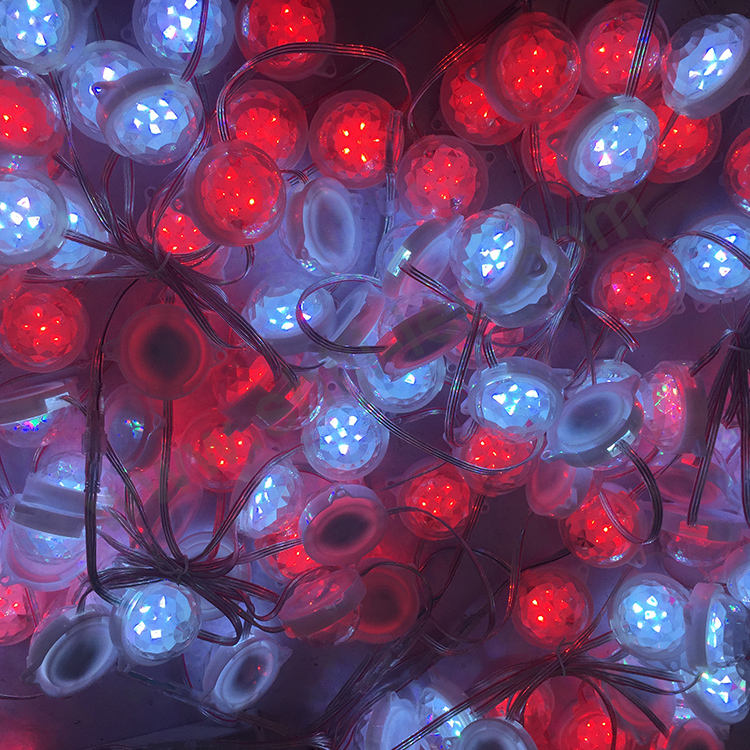
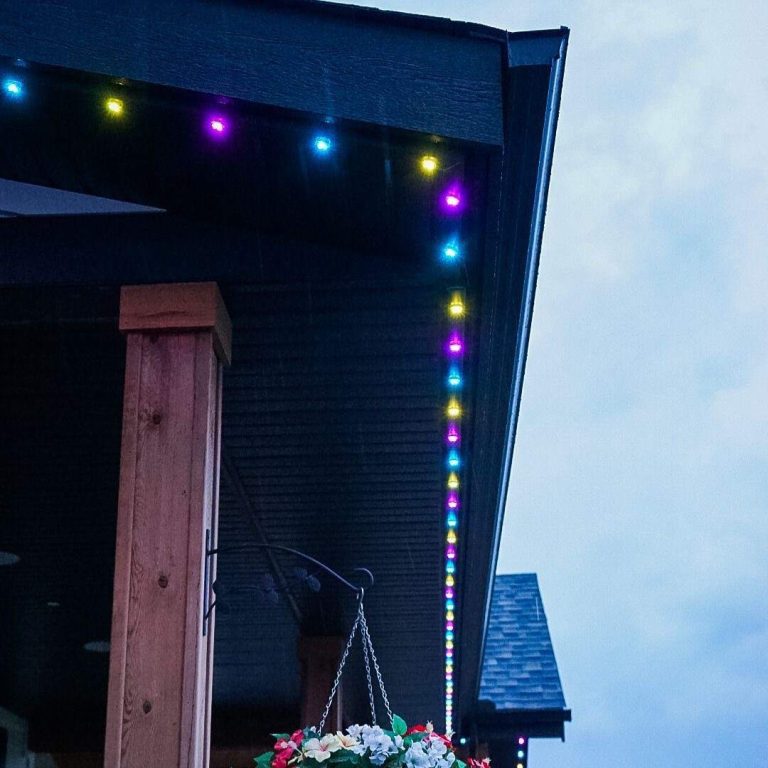
Outdoor uses consist of holiday decor and lighting for buildings and structures including IP68 rated pixel string lights that can withstand various weather conditions and offer colorful lighting effects.
Programmable LED strips are commonly used in places such as clubs and theaters to create an atmosphere with dynamic lighting effects that elevate the overall experience for patrons and audience members alike. Advanced versions of these LED strips can be paired with SD card controllers or Artnet systems to enable customization for stage performances and special events.
Q: Are programmable LED strips waterproof?
A: Numerous LED light strips can be found in varieties designed for outdoor applications with different levels of protection against water and dust indicated by an IP code—a higher rating means better resistance to these elements For instance **IP65 rated strips provide basic splash resistance while products rated IP68 are safe for immersion, in water.
Waterproof models such as SK6812 RGB White strips, utilize coatings or silicone tubing to guard the components against moisture intrusion, effectively ensuring their durability in outdoor settings, like garden lighting or poolside ornamentation.
When choosing programmable LED strip lights for your project or space lighting needs, remember to think about where you’ll be using them and make sure it has the right IP rating to work at their best.
Contact Us
If you’d like to know more about our selection of LED light strips and need help with setting them up or fixing any issues feel free to contact Shiji Lighting, a company that has been around since 2010, and focusing on cutting edge digital LED products designed for various uses. Our dedicated team strives to offer solutions that improve energy efficiency and cater to customer needs in the market. We are excited about the opportunity to assist you in creating lighting experiences!