Blog

A Comprehensive Guide to Various Types of LED Point Lights

Table of Contents

A Comprehensive Guide to Various Types of LED Point Lights

What Are LED Point Lights and How Do They Work in Modern Lighting Systems?

Defining LED Point Light Technology

LED point lights are small, bright fixtures that deliver focused light from one spot. These units are built to send out light from a single point. This setup allows for exact and aimed brightness in building, business, and design uses. The main benefit of LED point lights is their power to create strong light while using little energy. Such thriftiness proves useful in cases that need steady light with reduced power draw.

LED point lights differ from spread-out light setups. They suit well for adding highlight effects. They can spotlight certain parts of a building front or light up signs. Their small form also allows for easy fitting in narrow or complex spots. And they keep a good light quality.
 

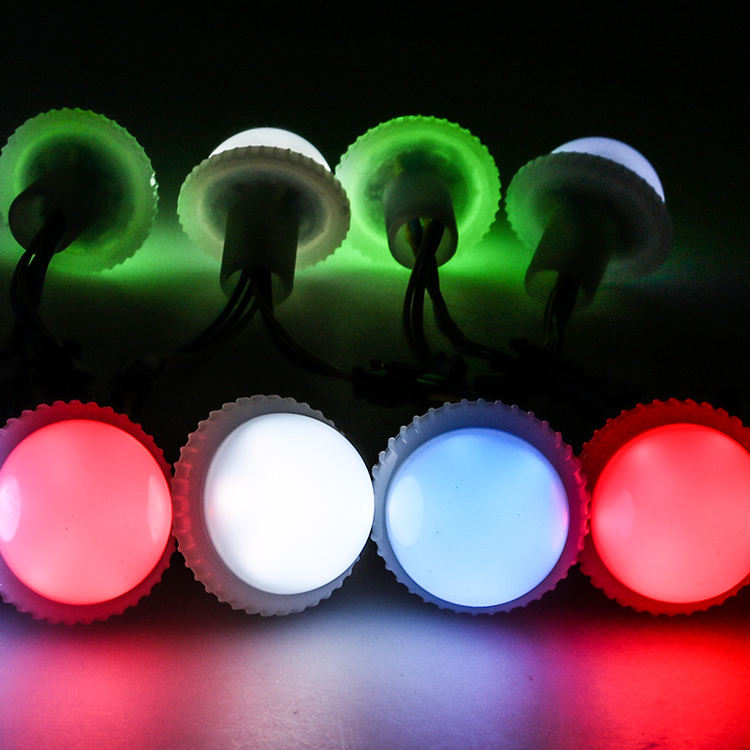
SHIJI Wholesale Outdoor 60mm 45mm Decoration Cabochon LED Pixel Light RGB Point Lights Source

Core Components and Light Emission Mechanism

At the heart of LED point lights is a semiconductor chip that facilitates light emission through electroluminescence. When current flows through the diode junction, electrons recombine with holes, releasing photons that generate visible light. This process is highly efficient compared to traditional incandescent or halogen technologies.

Each LED point light typically comprises three key components: the semiconductor LED chip, an integrated heat sink for thermal regulation, and optical lenses or diffusers. The optical lens plays a critical role in shaping and directing the emitted beam. For example, narrow-beam optics focus light for spot or accent applications, while wide-angle lenses distribute light over larger areas uniformly.

Many types include smart control chips like WS2811 or UCS2903. These allow for targeted features. They support color shifts and set patterns.

Why Are LED Point Lights Gaining Traction Across Industries?

Energy Efficiency and Cost Advantages Over Traditional Lighting

LED point lights stand out for their remarkable energy efficiency. They consume significantly less power than halogen or incandescent alternatives while delivering equivalent or superior brightness. This translates to substantial cost savings on electricity bills, especially in large-scale installations such as commercial buildings or city landscapes.

Also, LEDs last a long time in operation. They often go beyond 50,000 hours. So, they cut down on upkeep and swaps. This helps a lot in tough spots to reach. Think high building fronts or open areas. There, getting to them is hard. And worker costs run high.

Environmental Impact and Compliance Benefits

LED point lights aid green efforts. They skip harmful stuff like mercury. They follow RoHS and CE rules for safety and green practices. This meets global standards. Their small carbon mark and power thrift make them fit for green building badges like LEED.

Additionally, smart lighting integrations enable adaptive brightness, where the lighting adjusts according to the surroundings, hence limiting unnecessary consumption of energy and thus contributing to a smart infrastructure.

What Types of LED Point Lights Are Available for Different Applications?

Architectural and Facade Lighting Solutions

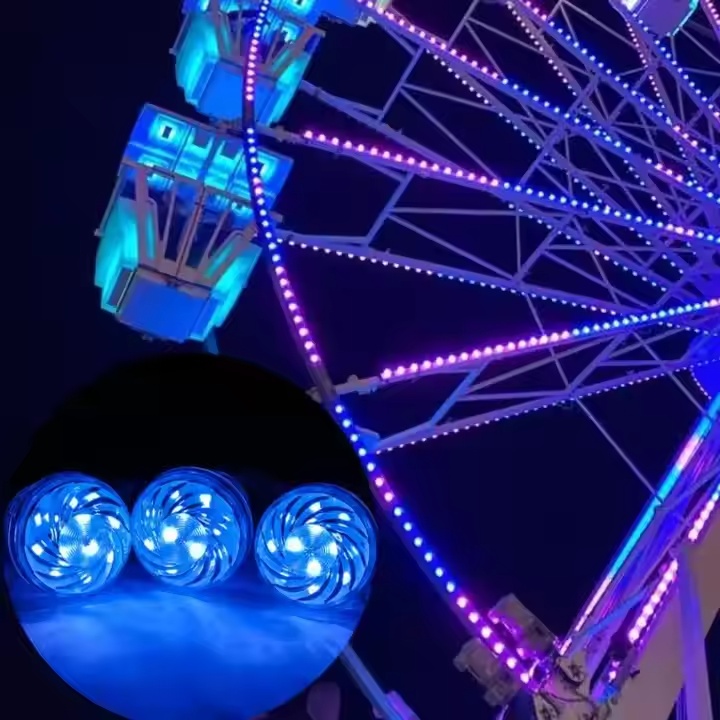
Building lighting often uses LED point lights to bring out shapes, surfaces, and lines of structures. These lights work with DMX controls. They make moving effects like color runs or fades. Such set actions boost night views of key sites, bridges, and business buildings. All while keeping power use low.

Urban Landscape and Smart City Integration

In city design, LED point lights now light paths, gardens, open squares, and travel points. The Waterproof Digital Programmable String Light 5V 12V 20mm RGB LED Pixel Point Light by SHIJILIGHTING has an IP65/IP67 shield. It uses addressable control through SD card or DMX setups. This allows far-off timing and area plans.

These smart lights blend well with main light networks. City groups gain from lower power draw. They get better safety from clear sight. And they cut harmful gases.

Advertising Displays and Commercial Signage Use Cases

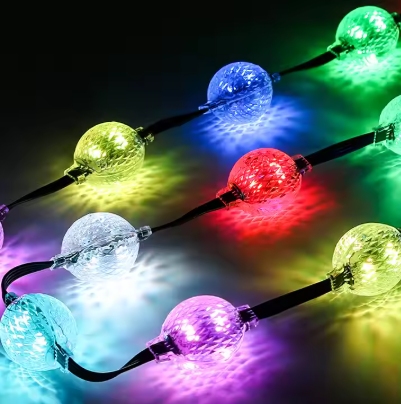
LED point lights do great in branding and business shows. Their lively colors and set effects make striking views for signs, big boards, letter channels, and logos. For one, the Christmas Lights SMD5050 Pixel Light WS2815 RGB 12V LED Point Light for Decoration fits decor ads. It has even brightness and an IP67 water shield.

In shop areas or fun spots like parks, these units back custom moves. They boost brand memory. And they resist the weather for all-year-round use.

How to Select the Right Type of LED Point Light Based on Project Needs?

Evaluating Key Technical Specifications Before Purchase

Wattage vs Luminosity Balance

Picking an LED point light means checking the light flow (lumens) per watt used. Higher output per watt gives more light with less power.

Beam Angle Selection Based on Application Area

Beam angles set how tight or wide the light spreads. Narrow ones (15°–30°) fit best for aiming at building parts or sign edges. Wider ones (90°–180°) suit background or zone light. They work well for square lighting.

Color Temperature Options According to Ambience Requirements

Color temperature influences the ambiance created by the lighting system. Warm white (2700K–3000K) suits cozy environments such as restaurants; neutral white (4000K) fits retail spaces; cool white (6000K) is ideal for outdoor or industrial use.

Installation Considerations That Affect Performance

Surface Mount vs Embedded Mounting Options

Depending on whether you are installing into concrete façades, metal signs, or glass substrates, different mounting techniques are preferable.

Wiring Compatibility With Existing Infrastructure

Voltage match matters a lot. SHIJILIGHTING gives choices in DC5V, DC12V, DC24V, and even 48V. This offers a bend for varied power systems. Check your site’s power before picking models. This avoids circuit overloads or the need for power changers.

How Do SHIJILIGHTING’s LED Point Lights Solve Industry Challenges?

Our Product Design Philosophy: Performance Meets Practicality

Precision Optics for Targeted Illumination

The lenses are designed by SHIJILIGHTING to ensure equal distribution of the lights without causing glare. Our lights are therefore ideal to be used in environments that require high visibility, such as shopping mall entrances or entertainment joints.
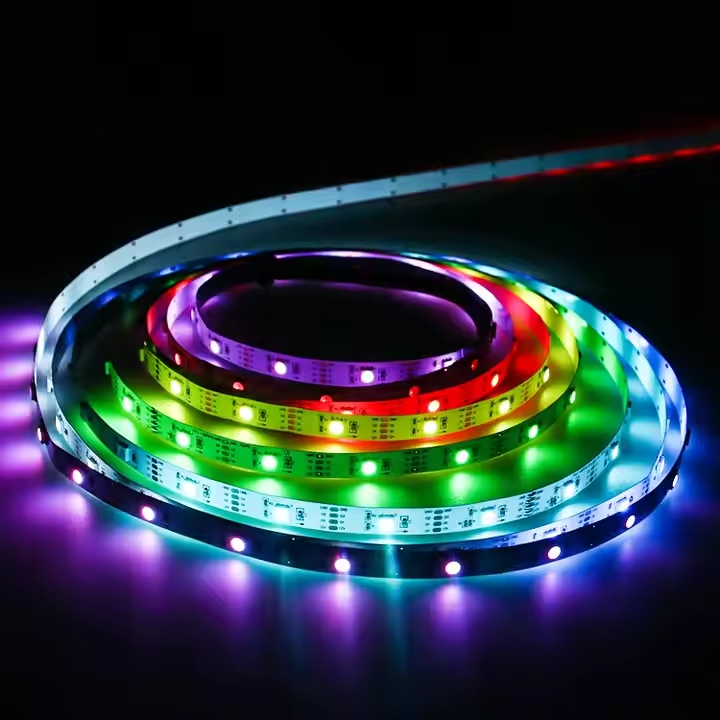
12V Addressable RGB 5050 SMD LED Strip Light 60 Pixels Black PCB IP676820 Continuous Mode Controller DC12V 8208 IC Break-point-1

Durable Construction for Harsh Environments

Our IP66/IP67/IP68-rated shells handle dust, rain, sun rays, and heat shifts. Items like the SJ-IC6018-8206-24V use tough builds. They stay firm for long runs in outside areas.

SHIJILIGHTING’s Flagship LED Point Light Series Overview

Our top lines include:

  1. SJ-30IC-2904-12V/24V RGBW 30mm Point Light: High lumen output with RGBW color capability.
  2. SJ-C9-8208-12V C9 Christmas Light Series: Designed for decorative outdoor use with an IP67 rating.
  3. SJ-20-GS8208 20mm RGB Pixel Light: Compact size with addressable IC for signage and architecture.

Each item gets full tests for steady work. They back many control systems. These include the SD card controller and the Arduino platforms.

Why Professionals Choose SHIJILIGHTING Products

Proven Manufacturing Capabilities

We run a full-line production setup. It ensures steady quality. From base materials to end checks, each part aims for smooth flow.

Customization Services Tailored to Project Needs

We offer flexible configurations including wattage options, beam angles, housing colors, mounting accessories, and waterproof connectors to meet specific project requirements.

Engineering Support from Concept to Installation

Our tech group offers full help. This includes light planning, CAD plans, fit guides, and control setup advice.

FAQ

Q: How do I choose the right LED point light for architectural lighting?

A: Focus on products with narrow beam angles for accent lighting and ensure they offer IP65+ protection for outdoor use. SHIJILIGHTING’s SJ-30LS-2903-12V provides targeted brightness with a durable lens design.

Q: What’s the difference between RGB and RGBW LED point lights?

A: RGB lights blend red, green, and blue to create colors but lack true white output. RGBW includes a dedicated white channel for enhanced clarity—ideal for signage or mixed-use lighting like SJ-6018-2904RGBW-360-24V.

Q: Which factors should I consider when comparing LED point light brands?

A: Evaluate IP rating, control protocol compatibility (DMX/Artnet), lifespan (usually 50,000 hours), lumens per watt efficiency, warranty period (SHIJILIGHTING offers 2 years), and customization options.

Q: Can I use LED point lights in smart city projects?

A: Yes. Many SHIJILIGHTING models like SJ-20-GS8208 support DMX512/Zigbee integration and allow remote control via centralized systems—perfect for smart urban infrastructure.

Q: Are there waterproof LED point lights suitable for permanent outdoor decorations?

A: Absolutely. SHIJILIGHTING’s C9 Christmas Lights Series features an IP67 waterproof design with addressable GS8208 ICs and is tailored for long-term decorative use in gardens or theme parks.

Related Case

Understanding the Basics of Programmable LED Strips and Their Controllers
COB LED Strip for Projects: How to Choose the Best Type in 2026 Why COB LED Strip Is the Ideal Choice for Modern Projects What Makes COB LED Strip Different from Traditional LED Strips Packaging technology forms the main difference between COB LED Strip for Projects and traditional SMD types in 2026 lighting design. Traditional strips have visible gaps between chips. These gaps create harsh bright spots. The COB LED strip places hundreds of LEDs closely onto a flexible printed circuit board. A continuous phosphor layer covers the LEDs. This design removes all visible spots. It creates a smooth and even line of light. The result greatly improves visual quality. How COB LED Strip Enhances Lighting Quality and Continuity The COB LED strip uses very high-density chip placement. This produces perfect lighting continuity. The even light greatly lowers glare. It creates a softer and more professional effect. Modern buildings, luxury stores, and fine interior designs need excellent light quality. This steady linear light clearly defines structural lines. It delivers a deep visual experience. What Types of COB LED Strip Should You Consider? Flexible vs Rigid COB LED Strip Options Project planning requires careful selection of the right types of COB LED strip. Flexible versions work well on curved surfaces and irregular shapes. Designers can bend them to follow unusual lines. Rigid versions sit in aluminum profiles. These suits are suitable for straight wall washing tasks. The aluminum profile provides strong cooling. It also gives solid support across long distances. Color Temperature and Brightness Variations for Different Projects The chosen color temperature sets the final mood. Warm white from 2700K to 3000K produces a comfortable feeling for homes and boutique hotels. Cool white delivers the clear light needed for work areas and medical rooms. A COB LED strip with RGB color options can create many combinations. This makes it the top choice for entertainment venues and lively building fronts. Waterproof and Outdoor Rated COB LED Strips Landscape projects, bathrooms, and damp basements need strong water protection. Outdoor Types of COB LED strip use quality silicone or epoxy resin. They reach IP65 or IP67 ratings. This sealing guards the internal parts against moisture, dust, and UV rays. The protection does not reduce the bright light output. How to Select the Best COB LED Strip for Your Project Matching COB LED Strip Specifications to Your Application Needs Designers must study the exact lumen needs and color rendering targets. This helps them configure the Best COB LED strip for each space. Soft light works best for hidden ceiling areas. High brightness COB LED strip Specifications suit task lighting over kitchen counters. At SHIJILIGHTING, our sales and engineering team understands these varied needs. They provide custom pixel LED and continuous lighting solutions for specific architectural demands. Understanding Voltage, Power, and Lumens for Optimal Performance Long wiring in commercial sites can cause a voltage drop. This leads to lower brightness at the far end. The correct voltage choice keeps performance steady. For example, our signature SJ-100768RGB-COB-24V model runs at DC24V with 768 LEDs per meter. It holds even brightness across long runs. If a project needs individual pixel control, our SK6812 Addressable LED Strip offers high accuracy. We provide a solid 2-year warranty on all product lines to protect your investment. Choosing the Right Length and Cutting Options Check the minimum cutting length in the COB LED strip apecifications when you plan layouts. Modern high-density strips allow very short cuts. This gives great flexibility during installation. Technicians can cut precisely to fit custom cabinets, display cases, or special architectural spaces. No dark areas remain at the edges. How to Install COB LED Strip for Maximum Effectiveness Surface Mount vs Recessed Mount Installation Tips Surface material affects how you install the COB LED strip. The strong 3M adhesive backing enables quick surface mounting. This method suits hidden shelves. You can also place the strip inside a matching aluminum profile with a frosted diffuser. This creates a clean flush look. The profile serves as an effective heat sink for temperature control. Creating Uniform Lighting with Proper Layout Avoid sharp 90-degree bends during installation. Such bends can break the copper circuit. Use quality solderless connectors for corners. Electricians can also solder jumper wires. Both methods keep the light flow continuous. Plan power supply positions and wiring early in construction. This produces a clean setup where only the light is visible. Safety Precautions and Electrical Considerations Always follow electrical safety rules. Do not exceed the maximum run length without extra power injection. Choose a switched-mode power supply. Its wattage rating should exceed total consumption by at least 20 percent. This extra capacity stops overheating during full load. It removes fire risks and supports safe operation. How to Maintain COB LED Strip for Longevity Cleaning and Dust Prevention Techniques Use a dry microfiber cloth to clean the COB LED strip every few months. For open installations, light dusting stops dirt buildup on the phosphor layer. This basic care prevents heat buildup from debris. It also avoids unwanted color changes over time. Avoiding Overheating and Extending LED Lifespan Good heat control slows light loss. Mount the strip on materials that conduct heat well. Thickened aluminum extrusions work best. They improve heat escape from the chips. This step lengthens the useful life of the COB LED strip for Projects. Light output stays steady for many years. Troubleshooting Common COB LED Strip Issues Flickering or dark sections may appear after long use. First, check all power connections and corner joints for looseness. Dim light at the end of a long run usually comes from a voltage drop. Technicians can fix this by adding a parallel wire from the main supply. The extra wire injects power at the far end. COB LED Strip Applications: Real-World Project Examples Residential Interior Lighting Projects Custom luxury homes often use shadow-free under-cabinet lighting, ceiling coves, and step lights. These are common COB LED strip applications. The even dot free light spreads nicely across marble or tile. It adds a sense of quality to private rooms. Commercial and Retail Lighting Solutions High-end retail displays need accurate color rendering. Continuous light shows true product colors and textures. This draws customer interest quickly. Modern hotels, art galleries, and restaurants use these dense, flexible lights. They highlight advanced building shapes and create striking commercial spaces. Highlighting Design Trends in 2026 Global lighting trends in 2026 focus on the close connection between space and light. The slim shape and perfect even output of the Best COB LED strip have changed its role. It now serves as a key tool for shaping light in simple and forward-looking interior designs. FAQ Q: What factors should be considered when choosing the Best COB LED strip for a living room ceiling? A: Living room selections should focus on color temperature and light output. A 3000K warm white helps create a calm mood. Check the COB LED strip Specifications carefully. This ensures size and power needs match the cove dimensions and electrical setup. Q: How can one properly install a COB LED strip on rough or highly textured surfaces like brick? A: Adhesive alone often fails on rough surfaces. The strip may peel off. Fix an aluminum channel to the wall with screws first. Then place the strip inside the channel. This method provides firm support. It also improves heat release. Q: What is the recommended routine to maintain the COB LED strip installed in high-humidity kitchen environments? A: Kitchens have grease and steam in the air. Start with an IP65 or higher waterproof COB LED strip. For regular care, wipe the silicone cover with a lightly damp microfiber cloth. This removes grease safely without harming the LEDs inside. Q: Why are 24V power systems frequently preferred for large-scale COB LED strip Applications? A: Large commercial and home projects often need long wiring runs. A 24V system uses less current than 5V or 12V options. Lower current reduces voltage drop over distance. Brightness, therefore, stays even from start to finish. Q: Is it possible to cut and reconnect different Types of COB LED strips to fit custom cabinet measurements? A: Most standard Types of COB LED strips have clear cutting marks on the board. Cut at these marks after disconnecting power. Solderless connectors or soldered wires allow safe reconnection. This produces an exact fit for any cabinet size.
COB LED Strip for Projects: How to Choose the Best Type in 2026
Top Components You Need for a Programmable LED Strip Setup

contact us