Blog

Why the Right Strip Light Beam Angle Matters in 2026 Architectural Designs

Table of Contents

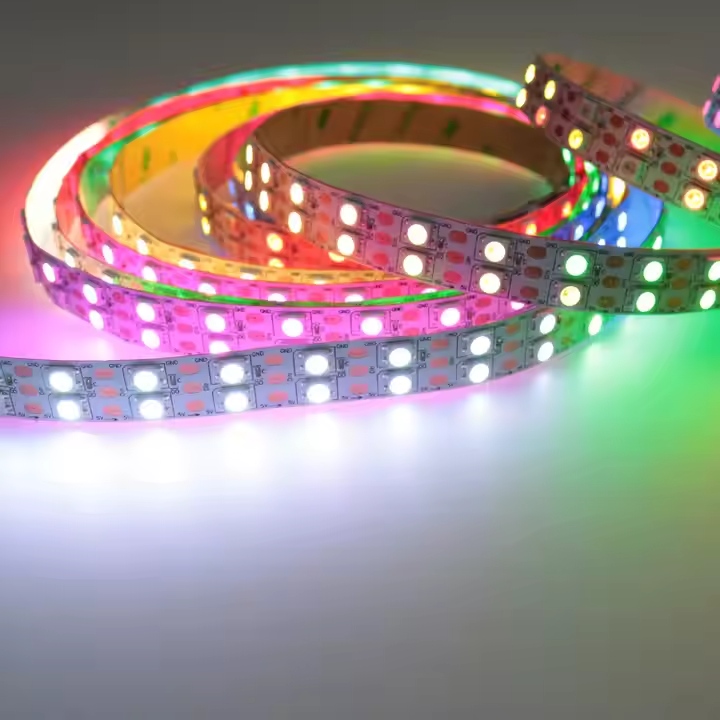
SMD 4020 RGB LED Strip Side

Selecting the exact strip light beam angle becomes the key tech choice for current building plans in 2026. New Illuminating Engineering Society (IES) studies show that more than 60% of business light issues come from wrong beam widths. This leads to bright spots or poor wall coverage. As clean looks and hidden lights lead in modern business areas, builders deal with new lighting problems. Knowing how these line lights spread brightness is very important. It helps make smooth, full spaces without empty sight gaps.

Decoding Strip Light Angles: Standard vs. Specialized Distributions

How a 120-Degree Strip Light Serves as the Baseline for Ambient Glow

A basic 120-degree LED Strip Light acts as the common starting point for even, soft brightness in many business interiors. This wide light pattern gives a gentle, steady light cover. It works well for ceiling edge lights and long hall highlights. In normal hotel entrances or office spaces, this wide reach cuts a sharp shine. It also fits right into the building setup. So, using this usual angle brings a cheap and steady base for most basic light jobs.
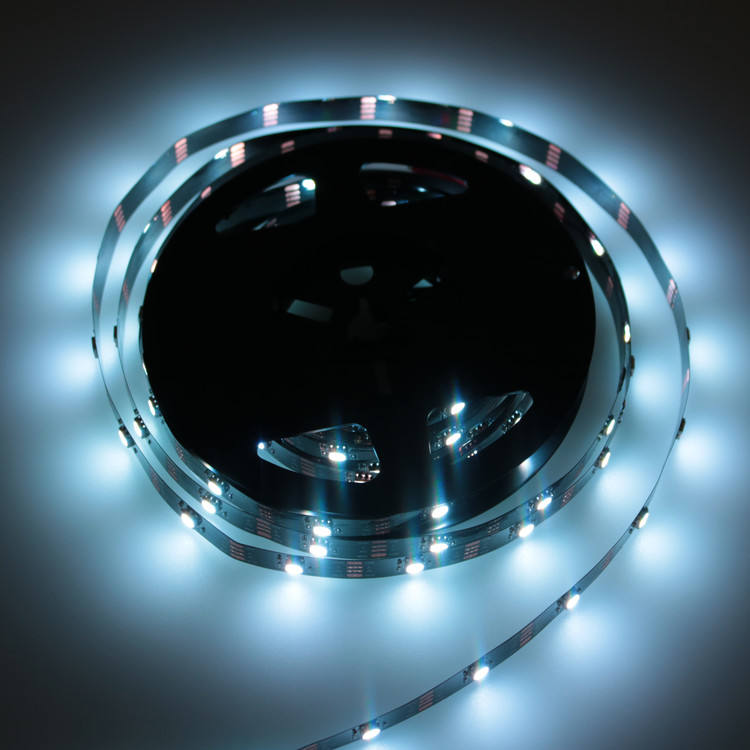
DC5V 10mm Width LED Flexible Strips

Beyond Standard: Exploring 180° Top and 270° Side Strip Light Solutions

Specialized strip light configurations become strictly necessary when standard angles fail to accommodate complex, irregular architectural structures. Navigating tight installation channels or curved facades often results in unwanted shadows unless tailored optical designs are meticulously utilized. At SHIJILIGHTING, our engineering team addresses these exact challenges with advanced solutions like the SMD 5050 RGB Top Lighting 180°, which provides seamless panoramic upward illumination. Furthermore, our Lighting Direction Side Lighting 270° is specifically crafted to wrap light continuously around structural edges, granting designers ultimate flexibility for custom contours.

Matching Strip Light Beam Spreads to Commercial and Outdoor Environments

Narrow to Medium Strip Light Profiles for Accent and Task Illumination

Integrating a strip light with tailored aluminum profiles allows for precise accent illumination in high-end retail and display settings. Museum exhibits, luxury jewelry counters, and specialized cabinetry require focused beams rather than scattered, ambient glows to properly highlight valuable merchandise. By utilizing deep, flexible aluminum extrusions, professionals can effectively narrow the natural beam spread, creating a highly targeted and penetrating light path. This methodology not only enhances localized brightness on the subject but also shields the direct light source from the observer’s eyes, drastically improving the commercial browsing experience.

Wide-Angle Strip Light Setups for Facades and Edge Lighting Challenges

Wide-angle strip light plans give the best way to fix empty spots on big outside building fronts. New tall buildings have tricky wall covers, sharp lines, and round parts. Narrow beams would make it look broken there. A wider beam makes sure all parts of these special building lines get steady, even light. We at SHIJILIGHTING focus on making these big outside fixes. They give clean edge light that cuts care costs over time for city building jobs.

Maximizing Strip Light Performance: Pixel Control and Weatherproofing Synergy

How IP68 Rated Strip Light Enclosures Impact Light Dispersion

Strong strip light weather covers can change the light spread a bit. This is a key point missed in hard outside setups. Thick rubber shapes or special seal coats guard against water well. But they change how light bends out. In big heat ranges from -40°C to 65°C, the clearness of these covers sets the end look. To keep the true beam aim with top strength, our IP68-rated parts go through strict cover steps. We support this steady work with a full 2-year warranty for full calm.

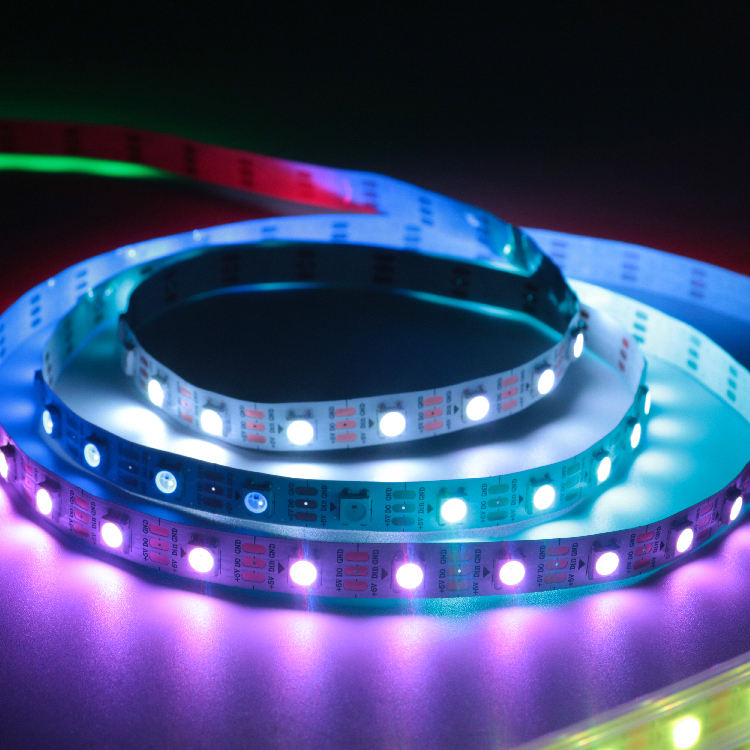
SMD 4020 RGB LED Strip

Dynamic Programmable Strip Light Systems for Immersive Experiences

Modern programmable strip light technologies transform static beam angles into highly interactive, immersive visual mediums for 2026 and beyond. In contemporary spatial design, the physical beam spread is now heavily synergized with smart, individually addressable IC chips to create fluid, dynamic lighting effects. Leveraging our SK6812 3535 RGBW LED Strip, operators can blend optimized light dispersion with precise pixel control to generate seamless color-chasing and breathing animations. This high-density, dynamic integration is exactly what drives the captivating visual impacts seen in today’s leading theme parks and interactive commercial exhibitions.

FAQ About Strip Light Beam Angles

Q: Which brand of strip light is best for achieving specialized architectural beam angles?

A: Many good makers fill the market. But pick one with strong custom skills for odd angles. As an original maker with over 14 years of digital LED build know-how, SHIJILIGHTING brings big tech edges in making fine, special-angle lights. Examples include 270-degree side-send smart pixel lights for hard building needs.

Q: How should I choose the right strip light beam angle for an indoor ceiling cove?

A: For standard indoor cove illumination, a 120-degree beam angle is generally the most reliable choice. This broad distribution provides a very smooth, uniform wall-washing effect that eliminates harsh hotspots, perfectly establishing a comfortable ambient atmosphere for hospitality venues or corporate offices.

A: Commercial exteriors facing harsh weather conditions require fixtures with both high ingress protection and dynamic programmability. We highly recommend products like our SK6812 3535 RGBW LED Strip, which delivers outstanding IP68-rated all-weather resilience while enabling highly complex, addressable architectural animations.

Q: 120-degree vs 270-degree strip light: which is better for wrapping around curved building edges?

A: When dealing with irregular shapes or narrow edge contours, a 270-degree side-emitting product easily outperforms standard options. A conventional 120-degree fixture often leaves noticeable dark spots around tight corners, whereas specialized designs like our Lighting Direction Side Lighting 270° seamlessly hug irregular contours for continuous, unbroken illumination.

Q: What is the most frequently overlooked factor when buying a commercial outdoor strip light?

A: Buyers often overlook how thick waterproofing materials degrade the refractive index and how extreme temperatures affect encapsulation stability over time. High-quality engineering fixtures must maintain their optical purity in both freezing and scorching conditions, which is why securing a standard 2-year warranty is critical for safeguarding your commercial investment.

Related Case

Understanding the Basics of Programmable LED Strips and Their Controllers
COB LED Strip for Projects: How to Choose the Best Type in 2026 Why COB LED Strip Is the Ideal Choice for Modern Projects What Makes COB LED Strip Different from Traditional LED Strips Packaging technology forms the main difference between COB LED Strip for Projects and traditional SMD types in 2026 lighting design. Traditional strips have visible gaps between chips. These gaps create harsh bright spots. The COB LED strip places hundreds of LEDs closely onto a flexible printed circuit board. A continuous phosphor layer covers the LEDs. This design removes all visible spots. It creates a smooth and even line of light. The result greatly improves visual quality. How COB LED Strip Enhances Lighting Quality and Continuity The COB LED strip uses very high-density chip placement. This produces perfect lighting continuity. The even light greatly lowers glare. It creates a softer and more professional effect. Modern buildings, luxury stores, and fine interior designs need excellent light quality. This steady linear light clearly defines structural lines. It delivers a deep visual experience. What Types of COB LED Strip Should You Consider? Flexible vs Rigid COB LED Strip Options Project planning requires careful selection of the right types of COB LED strip. Flexible versions work well on curved surfaces and irregular shapes. Designers can bend them to follow unusual lines. Rigid versions sit in aluminum profiles. These suits are suitable for straight wall washing tasks. The aluminum profile provides strong cooling. It also gives solid support across long distances. Color Temperature and Brightness Variations for Different Projects The chosen color temperature sets the final mood. Warm white from 2700K to 3000K produces a comfortable feeling for homes and boutique hotels. Cool white delivers the clear light needed for work areas and medical rooms. A COB LED strip with RGB color options can create many combinations. This makes it the top choice for entertainment venues and lively building fronts. Waterproof and Outdoor Rated COB LED Strips Landscape projects, bathrooms, and damp basements need strong water protection. Outdoor Types of COB LED strip use quality silicone or epoxy resin. They reach IP65 or IP67 ratings. This sealing guards the internal parts against moisture, dust, and UV rays. The protection does not reduce the bright light output. How to Select the Best COB LED Strip for Your Project Matching COB LED Strip Specifications to Your Application Needs Designers must study the exact lumen needs and color rendering targets. This helps them configure the Best COB LED strip for each space. Soft light works best for hidden ceiling areas. High brightness COB LED strip Specifications suit task lighting over kitchen counters. At SHIJILIGHTING, our sales and engineering team understands these varied needs. They provide custom pixel LED and continuous lighting solutions for specific architectural demands. Understanding Voltage, Power, and Lumens for Optimal Performance Long wiring in commercial sites can cause a voltage drop. This leads to lower brightness at the far end. The correct voltage choice keeps performance steady. For example, our signature SJ-100768RGB-COB-24V model runs at DC24V with 768 LEDs per meter. It holds even brightness across long runs. If a project needs individual pixel control, our SK6812 Addressable LED Strip offers high accuracy. We provide a solid 2-year warranty on all product lines to protect your investment. Choosing the Right Length and Cutting Options Check the minimum cutting length in the COB LED strip apecifications when you plan layouts. Modern high-density strips allow very short cuts. This gives great flexibility during installation. Technicians can cut precisely to fit custom cabinets, display cases, or special architectural spaces. No dark areas remain at the edges. How to Install COB LED Strip for Maximum Effectiveness Surface Mount vs Recessed Mount Installation Tips Surface material affects how you install the COB LED strip. The strong 3M adhesive backing enables quick surface mounting. This method suits hidden shelves. You can also place the strip inside a matching aluminum profile with a frosted diffuser. This creates a clean flush look. The profile serves as an effective heat sink for temperature control. Creating Uniform Lighting with Proper Layout Avoid sharp 90-degree bends during installation. Such bends can break the copper circuit. Use quality solderless connectors for corners. Electricians can also solder jumper wires. Both methods keep the light flow continuous. Plan power supply positions and wiring early in construction. This produces a clean setup where only the light is visible. Safety Precautions and Electrical Considerations Always follow electrical safety rules. Do not exceed the maximum run length without extra power injection. Choose a switched-mode power supply. Its wattage rating should exceed total consumption by at least 20 percent. This extra capacity stops overheating during full load. It removes fire risks and supports safe operation. How to Maintain COB LED Strip for Longevity Cleaning and Dust Prevention Techniques Use a dry microfiber cloth to clean the COB LED strip every few months. For open installations, light dusting stops dirt buildup on the phosphor layer. This basic care prevents heat buildup from debris. It also avoids unwanted color changes over time. Avoiding Overheating and Extending LED Lifespan Good heat control slows light loss. Mount the strip on materials that conduct heat well. Thickened aluminum extrusions work best. They improve heat escape from the chips. This step lengthens the useful life of the COB LED strip for Projects. Light output stays steady for many years. Troubleshooting Common COB LED Strip Issues Flickering or dark sections may appear after long use. First, check all power connections and corner joints for looseness. Dim light at the end of a long run usually comes from a voltage drop. Technicians can fix this by adding a parallel wire from the main supply. The extra wire injects power at the far end. COB LED Strip Applications: Real-World Project Examples Residential Interior Lighting Projects Custom luxury homes often use shadow-free under-cabinet lighting, ceiling coves, and step lights. These are common COB LED strip applications. The even dot free light spreads nicely across marble or tile. It adds a sense of quality to private rooms. Commercial and Retail Lighting Solutions High-end retail displays need accurate color rendering. Continuous light shows true product colors and textures. This draws customer interest quickly. Modern hotels, art galleries, and restaurants use these dense, flexible lights. They highlight advanced building shapes and create striking commercial spaces. Highlighting Design Trends in 2026 Global lighting trends in 2026 focus on the close connection between space and light. The slim shape and perfect even output of the Best COB LED strip have changed its role. It now serves as a key tool for shaping light in simple and forward-looking interior designs. FAQ Q: What factors should be considered when choosing the Best COB LED strip for a living room ceiling? A: Living room selections should focus on color temperature and light output. A 3000K warm white helps create a calm mood. Check the COB LED strip Specifications carefully. This ensures size and power needs match the cove dimensions and electrical setup. Q: How can one properly install a COB LED strip on rough or highly textured surfaces like brick? A: Adhesive alone often fails on rough surfaces. The strip may peel off. Fix an aluminum channel to the wall with screws first. Then place the strip inside the channel. This method provides firm support. It also improves heat release. Q: What is the recommended routine to maintain the COB LED strip installed in high-humidity kitchen environments? A: Kitchens have grease and steam in the air. Start with an IP65 or higher waterproof COB LED strip. For regular care, wipe the silicone cover with a lightly damp microfiber cloth. This removes grease safely without harming the LEDs inside. Q: Why are 24V power systems frequently preferred for large-scale COB LED strip Applications? A: Large commercial and home projects often need long wiring runs. A 24V system uses less current than 5V or 12V options. Lower current reduces voltage drop over distance. Brightness, therefore, stays even from start to finish. Q: Is it possible to cut and reconnect different Types of COB LED strips to fit custom cabinet measurements? A: Most standard Types of COB LED strips have clear cutting marks on the board. Cut at these marks after disconnecting power. Solderless connectors or soldered wires allow safe reconnection. This produces an exact fit for any cabinet size.
COB LED Strip for Projects: How to Choose the Best Type in 2026
Top Components You Need for a Programmable LED Strip Setup

contact us