Why Choose COB LED Strips for Your 2026 Lighting Projects?
Spotless and High-Density Linear Lighting
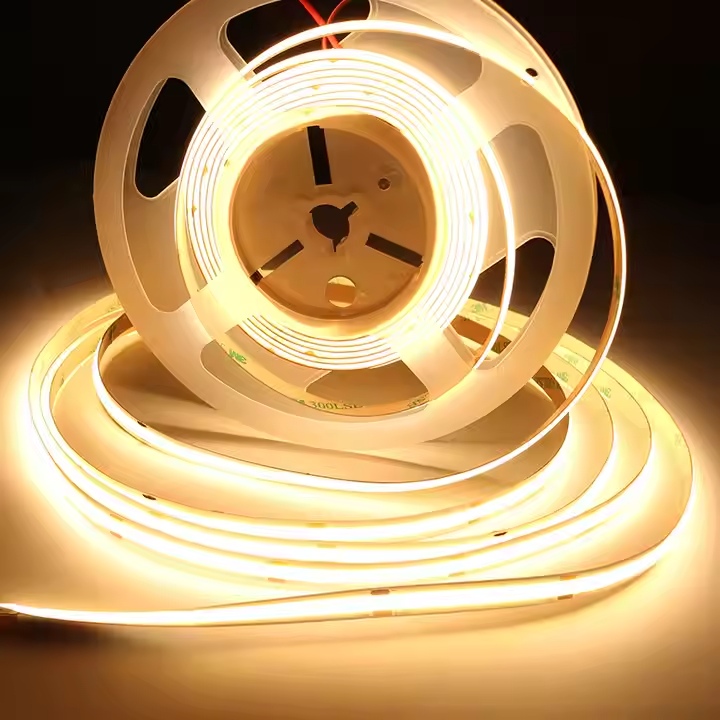
When upgrading commercial or residential spaces, lighting designers constantly seek flawless illumination. The Chip-on-Board technology revolutionizes this by mounting high-density LED chips directly onto the printed circuit board. Covered by a continuous phosphor layer, this design eliminates the dotted effect entirely. The result is a perfectly uniform, smooth linear light that elevates the visual aesthetics of any modern space without the need for thick diffusers.
High Energy Efficiency and Lower Power Consumption
Operational costs matter heavily in commercial environments. A major advantage of adopting a COB LED Strip is its remarkable energy efficiency. By utilizing better thermal management and densely packed chips, these lighting solutions produce higher lumen output while consuming significantly less electricity compared to older generations. This capability allows retail stores, hotels, and homeowners to dramatically reduce their daily power consumption and long-term energy bills without sacrificing brightness.
COB LED Strip vs SMD LED Strip: Quick Comparison
Light Uniformity and Visual Comfort
The most striking difference lies in visual comfort. Traditional SMD diodes create noticeable hot spots and glare, especially when reflected on glossy surfaces like marble or glass. Conversely, the seamless glow from chip-on-board designs ensures zero glare, offering superior visual comfort for prolonged exposure in working or living areas.
LED Density and Brightness Performance
Basic SMD setups have 60 to 120 LEDs per meter. Gaps between them lead to uneven light. COB types often have over 400 chips per meter. This high pack ensures steady brightness all along. No dark areas appear.
Best Use Cases for COB vs SMD LED Strips
If the installation requires direct visibility or perfectly diffused illumination, the spotless alternative is mandatory. SMD variants remain acceptable for hidden ambient backlighting where uniformity is less critical. Read our full comparison guide for deeper technical insights.
Key Specifications: How to Choose the Right COB LED Strip
12V vs 24V COB LED Strips: Which Voltage Is Better?
Selecting the correct voltage impacts both installation complexity and performance. A 12-volt system provides shorter cutting intervals, making it ideal for compact, custom shapes. However, for expansive architectural installations, 24-volt systems are vastly superior. The higher voltage minimizes voltage drop, ensuring the end of a long run remains exactly as bright as the beginning, thus simplifying the wiring process.
LED Density and Brightness (Lumens per Meter)
Light output sets the main job of the light. Strips with high output and close chips work great as main task lights for work tables. For decor touches, a mid-level brightness saves more power. It still gives the right mood.
IP Ratings: Choosing the Right Waterproof Level
The setting decides the water guard needed. IP20 suits dry inside spots like living rooms. For kitchens and baths, IP65 guards against water well. Outside walls need IP67 or IP68 types with a silicone cover. They handle heavy rain and long sun well.
Best Applications for COB LED Strip Lighting
Cabinet and Under-Shelf Lighting
Modern kitchens and luxury display cabinets benefit immensely from spotless linear lighting. It illuminates countertops clearly without casting harsh multi-shadows, making food preparation safer and jewelry displays significantly more attractive.
Retail Display and Commercial Lighting
Top shops need a true color show for goods. These lights have strong CRI scores. They show items in real colors. Plus, they save power. This fits round-the-clock work.
Architectural Linear Lighting
Builders use steady light to show forms. It can wash a hall wall. Or it can line a roof edge. The non-stop light flow brings out the built parts clearly.
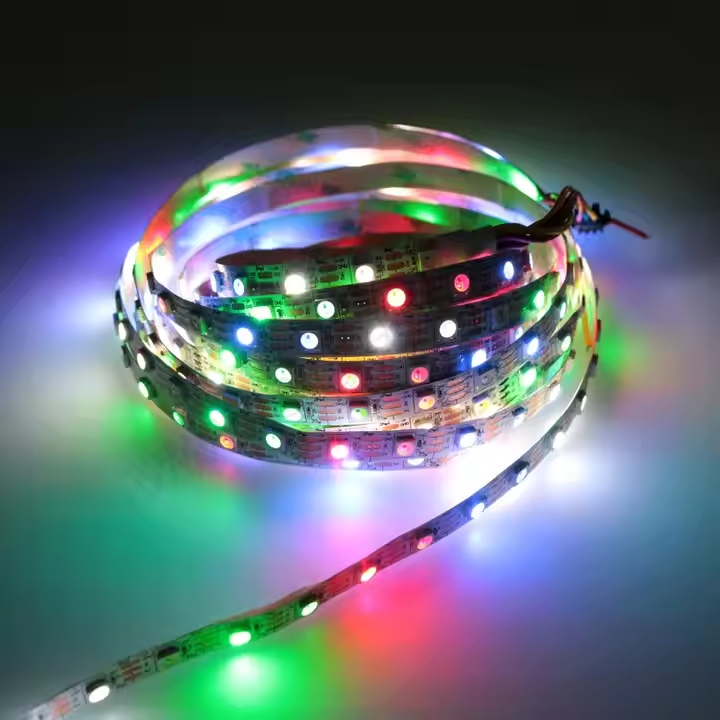
The Future of Smart Lighting: Addressable COB LED Strips
What Makes Addressable COB LED Strips Unique?
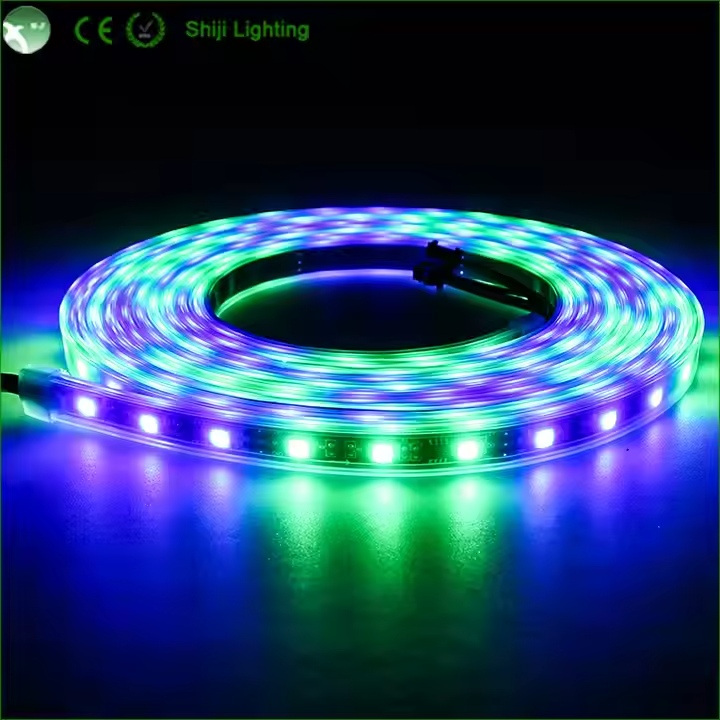
Basic straight lights change color all at once. But smart tech adds moving control. It puts single IC chips in the line. Users can run each part on its own. This creates great movement, flow, and color shift looks. The even clean look stays for top jobs.
Popular IC Chips for Dynamic Lighting Projects
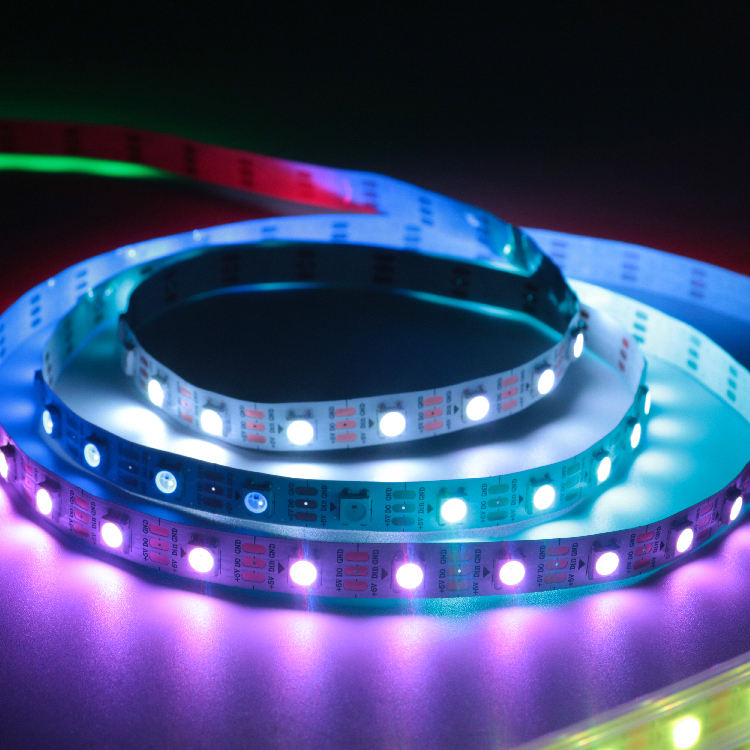
The right circuit chip sets what the system can do. In our top line, the 12V GS8208 Pixel 60Leds Full Color Changing SMD5050 12mm Addressable Led Light Strip uses the GS8208 IC. It has two signal paths. So the light keeps going if one spot fails. For jobs with fast data and hard moves, the WS2818 Digital LED strip Series works well. Chips like SK6812 and APA102C give a strong base for smart setups.
How to Find a Reliable COB LED Strip Manufacturer
Evaluate Manufacturing Experience and Quality Control
Sourcing high-quality lighting requires vetting the factory’s technological foundation. A trustworthy supplier should utilize premium chips from reputable brands like Epistar or San’an to guarantee longevity. Furthermore, strict quality control procedures during soldering and aging tests are non-negotiable to prevent premature lumen depreciation.
Why Partner with SHIJILIGHTING for Your Projects
For tough work jobs, we at SHIJILIGHTING act as your main maker link. Our 2,200-square-meter site in Baoan, Shenzhen runs things. We offer over 14 years of experience in pixel and straight LED work. Five electronic pros drive new ideas. Our QC steps ensure top work. We give quick samples in 3-5 days. Our full line comes with a full 2-year warranty.
FAQ: COB LED Strip Questions Buyers Often Ask
Q: Which brand of COB LED strip is the best choice for commercial projects?
A: For work uses that need a steady run, link with makers like SHIJILIGHTING. They use top Epistar or San’an chips. Factory lines bring full checks, best power use, and a firm 2-year warranty. This guards your spending.
Q: How should a buyer choose the right COB LED strip for long-distance installations?
A: For long lines, pick 24-volt first. It cuts the power drop a lot. Brightness stays even from start to end. Also, match the IP level to the spot. This builds lasting strength.
Q: COB LED strip vs SMD LED strip: Which technology saves more electricity?
A: Chip-on-board builds better for heat out and power to light change. So it gets higher light per power unit. This means more brightness per watt. Over time, it saves more power than the old SMD.
Q: Are waterproof COB LED strips easy to install for outdoor lighting?
A: Yes, setup is quite simple. Good waterproof types have clear-cut points for the right size. Use matching no-solder links. Put the light in aluminum tracks with hold clips. This gives a pro weather-proof job.
Q: What makes addressable COB LED strips different from standard continuous lighting?
A: Basic steady lights show one fixed color. Addressable ones add digital IC chips. The control sends special orders to each part. This opens moving looks like chase, fade, and run patterns. The even clean style holds.