As lighting needs rise in 2026, managers and buyers in commercial projects must pick between linear light options. The choice between a COB LED Strip and a standard SMD LED strip matters a lot now. Knowing the small differences between these two types helps get the best value. It also aids in saving energy and creating strong visual effects for your building or show uses.
What Exactly Is a COB LED Strip?
The Chip-on-Board Technology Explained
Chip-on-Board (COB) technology marks a big step in LED setup. It does not place single, sealed light diodes on a circuit board. Instead, a COB LED strip has many bare LED chips placed right on a bendable board in tight groups. A steady layer of phosphor gel covers these chips. This smooth join changes the light source’s shape. It also shifts how light spreads out in an area.
Why the “Dotless” Lighting Effect Matters
In top building lights, the “dotless” look is very popular. The chips sit so close that the light seems like one even, ongoing line. This removes bright spots or seen diode marks from old ways. It fits well in slim aluminum channels or spots where eyes see the light directly. For more on picking the right steady light for your needs, we suggest our COB LED Strip: 2026 Buyer’s Guide to Best Lighting Options.
What Are the Characteristics of a Traditional SMD LED Strip?
Understanding Surface-Mounted Devices
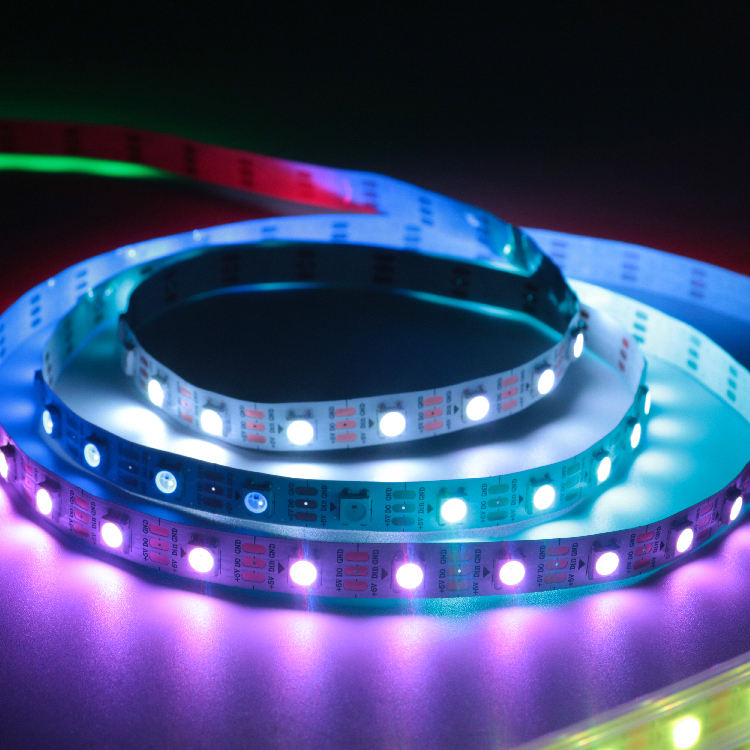
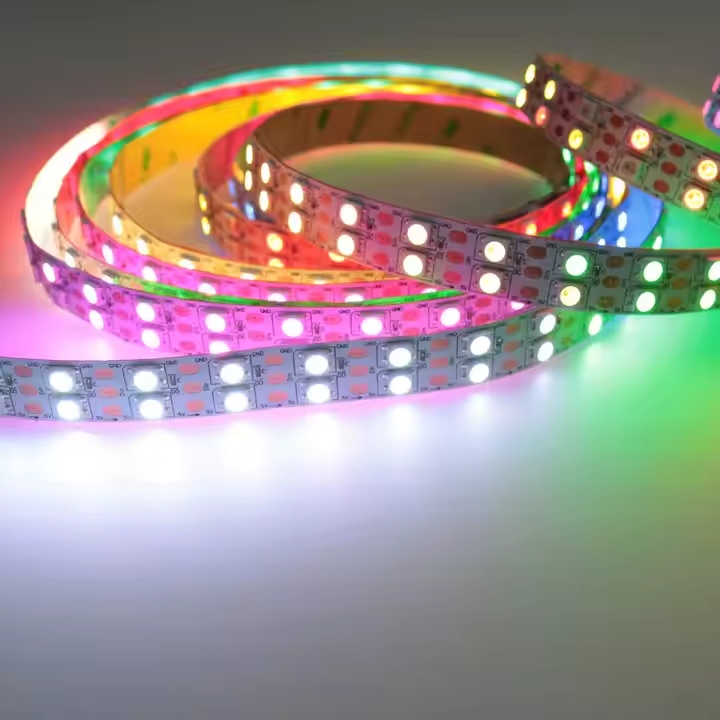
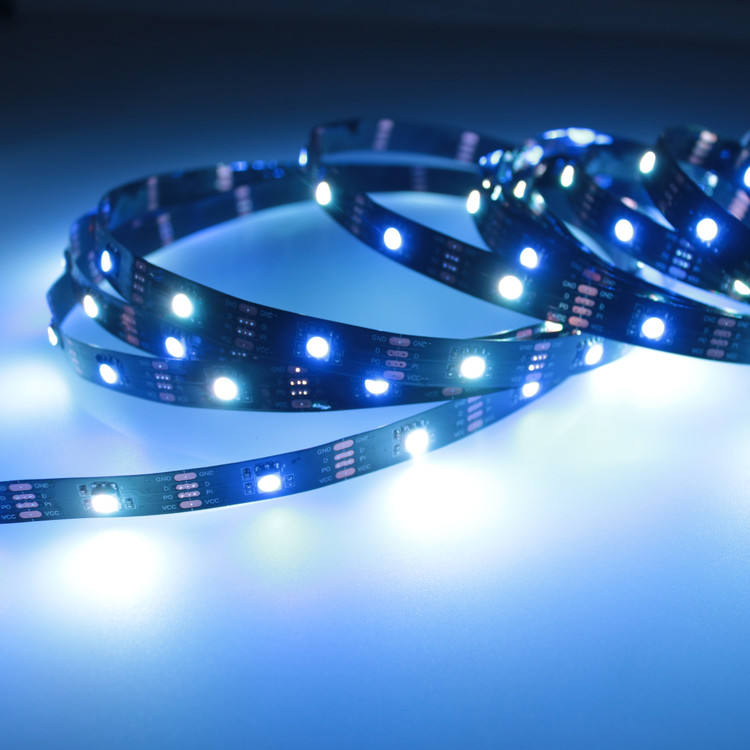
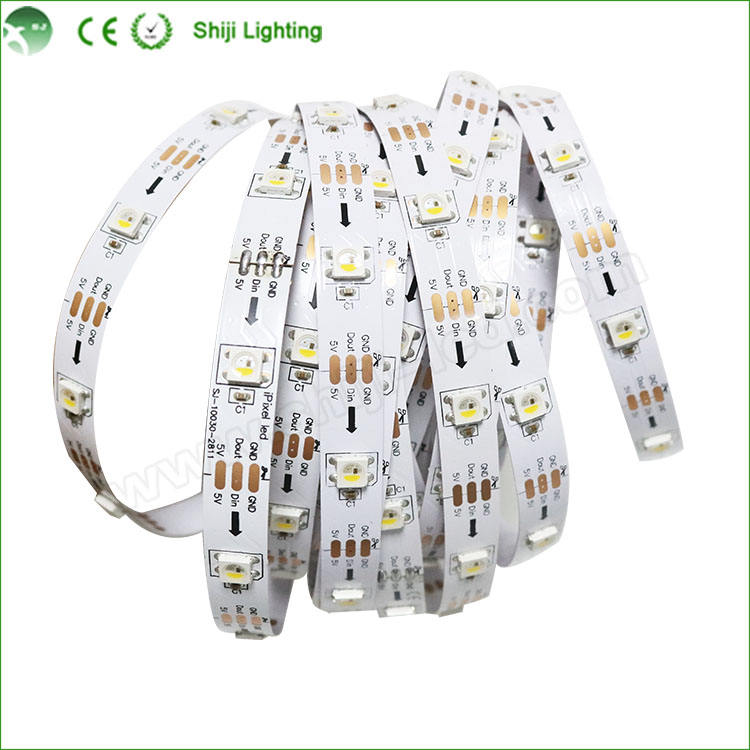
Surface-mounted device (SMD) technology remains the most flexible and common light choice in the field. An SMD LED strip is made by joining single, full LED parts (like the usual 5050 or 3535 sizes) to a bendable circuit board. Since each diode stands apart, this style gives great room for design. It works well when adding smart IC chips for color control at the pixel level.
Reliability and Market Maturity in 2026
By 2026, SMD technology will hit a high point of market steadiness. The supply lines are very strong. Failure chances have dropped close to nothing through design. For big outdoor wall lights or tricky park setups, the tested strength and lasting trust of a good SMD LED strip beat newer, unproven choices.
COB LED Strip vs SMD LED Strip: What Are the Key Differences?
Light Quality and Visual Consistency
The main difference shows in the light result. The ongoing phosphor cover in the new type gives better evenness up close. But if a job needs deep, full RGB color blends, moving light patterns, or exact digital control, the old surface-mounted parts do very well. The space between nodes lets each color show clearly. It avoids mixing across a full gel layer.
Durability and Thermal Management
Heat control sets the life of any light setup. Placing chips straight on the board cuts the heat block. This lets heat escape well. But the focused heat needs strong cooling. On the other hand, spread-out surface diodes share heat evenly on the board. Top surface parts often hold up better against bad weather and physical strain outside.
Manufacturing Costs and Project Budgeting
From a business buying view, cost savings come first. While costs for tight packing have gone down, the old surface method still saves money for big jobs. For wide projects where lights hide, or dotless is not key, using set technology scales up easily. It keeps full light strength and life without cuts.
Which Technology Offers Better Energy Efficiency and Power Saving?
Analyzing the Power Consumption of COB LED Strips
When looking at costs over time, energy use decides a lot. Tight packing often has good light output per power. It skips the blocks in old diode covers. So more power turns into light. This means real savings in the long run. It makes a green pick for business spots with round-the-clock light.
Maximizing Efficiency with High-Quality SMD Alternatives
Yet, fine surface options have improved a lot in saving power. With strong inside drivers and tuned LED chips, new straight lights give a sharp glow while holding power tight. In big setups, pairing these saving strips with smart controls makes sure power goes only where needed. This matches any new type in keeping energy low for the project.
How to Choose the Right LED Strip for Your Lighting Project?
Ideal Scenarios for Choosing COB LED Strips
If your building job includes lights under cabinets, tight shadow lines, or shiny faces like marble, where seen LED marks would harm the look, the tight, dotless way is the clear pick. It gives a quick, high-end feel that lifts room styles with ease.
When to Rely on SHIJILIGHTING for Premium SMD Solutions
When your job needs moving visual punch, strong weather hold, or detailed pixel plans, set surface technology is the sure way. At SHIJILIGHTING, we have spent years making the toughest and brightest digital LED goods in the market. We know business jobs need a certain trust. That is why we make the Outdoor Programmable Flexible Strip Light RGB DC5V SK6812 Addressable LED Strip. It uses top SMD 3535 RGBW LEDs. This gives a 120-degree beam angle. It comes in full custom IP20 to IP68 waterproof levels. So it serves as the best pick for setting outdoor walls.
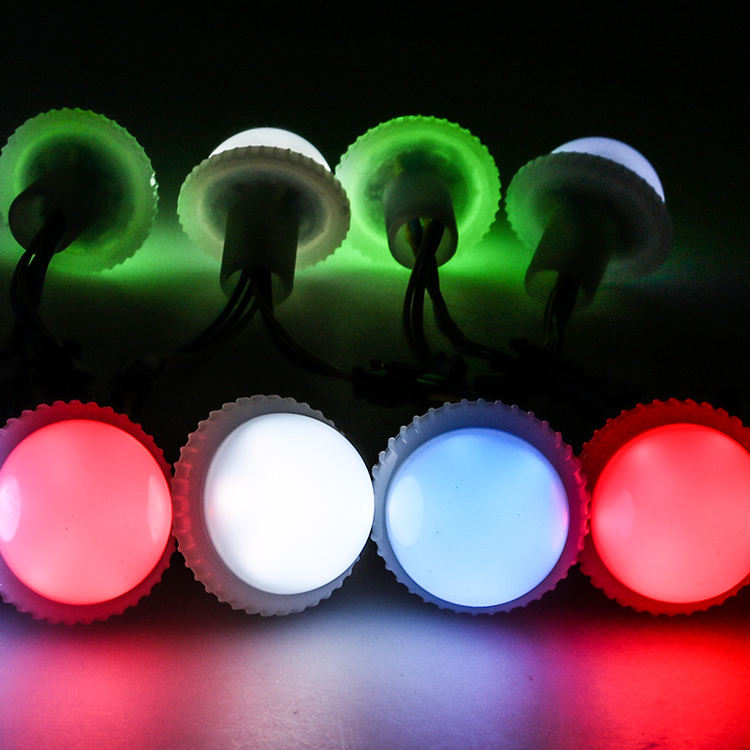
For tough show and yard uses, our Customized WS2811 24V RGB LED Pixel Point uses solid SMD 5050 RGB LEDs. It works with many control types, like Bluetooth and WiFi. It gives strong light at a saving of 4.32W per unit. We back the quality and saving power of our work. We offer a full 2-year warranty on our goods to guard your investment.
FAQ
Q: Is a COB LED strip strictly better than an SMD LED strip for every commercial lighting project?
A: Not necessarily. While continuous-light technology is unparalleled for close-range, dotless interior applications, projects requiring programmable pixel effects, dynamic RGB color chasing, or heavy-duty outdoor durability are much better served by high-quality SMD alternatives. The “better” choice depends entirely on your specific architectural or entertainment requirements.
Q: Can I cut and reconnect a COB LED strip just like I do with an SMD LED strip?
A: Yes, they feature designated cutting marks just like traditional linear lighting. However, because the chips are densely packed, the copper solder pads are often smaller. We recommend using specialized solderless connectors or having an experienced technician perform the soldering to maintain a secure connection, ensuring continuous power-saving performance and avoiding voltage drops.
Q: Does a COB LED strip consume more power compared to an SMD LED strip?
A: Generally, they are highly energy-efficient and offer excellent power-saving capabilities due to higher luminous efficacy. However, our advanced SMD products at SHIJILIGHTING, equipped with intelligent ICs, are also engineered for maximum energy conservation. When paired with smart controllers, both technologies offer exceptional long-term power savings.
Q: Why should I care about the dotless effect of a COB LED strip?
A: The dotless effect is crucial for visual aesthetics in high-end designs. When a light source is installed in a shallow aluminum profile or reflects off glossy surfaces like tiles or glass, traditional diodes create a dotted, glaring reflection. A dotless continuous light eliminates this, providing a smooth, luxurious, and diffused glow that enhances the perceived value of the space.
Q: How long is the lifespan of a COB LED strip compared to an SMD LED strip?
A: Both technologies are engineered to last tens of thousands of hours when properly installed with adequate heat dissipation. High-density strips have great thermal management due to direct board mounting, while quality SMD fixtures have a deeply proven track record of longevity. At SHIJILIGHTING, we ensure this reliability by rigorously testing our products and backing them with a solid 2-year warranty for your peace of mind.