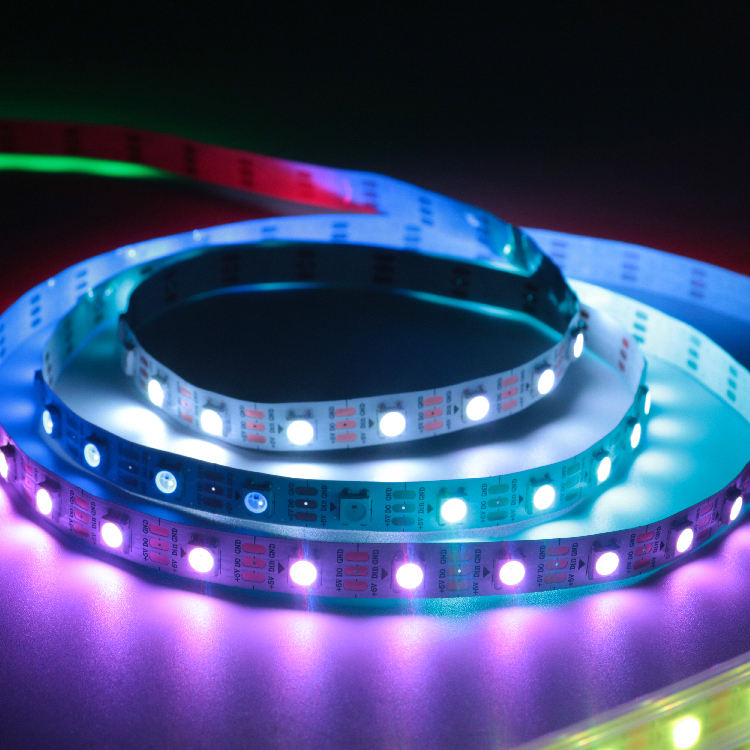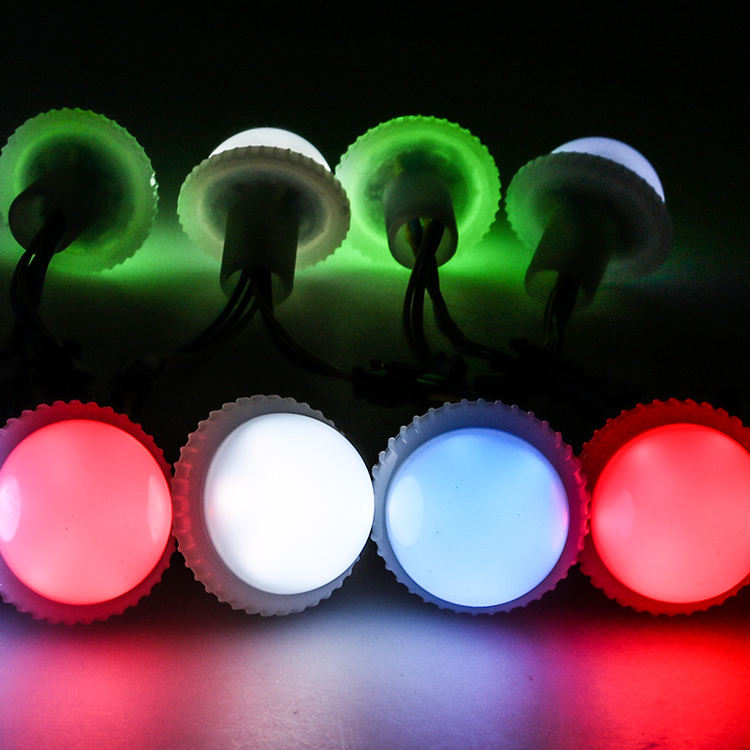
LED neon flex lighting has transformed architectural and decorative illumination. Its flexibility, vivid color output, and durability make it a preferred solution for both indoor and outdoor environments. However, even robust systems can face power or lighting inconsistencies. This article offers a detailed troubleshooting guide to diagnose issues such as voltage drop, flickering, or physical damage in flexible LED systems. Whether addressing how to troubleshoot LED neon flex or identifying common LED neon flex lighting problems, the following sections provide a structured approach to restoring performance effectively.
How to Establish a Logical Diagnostic Framework for LED Neon Flex Issues
A logical diagnostic process is essential before attempting any repair. Creating a framework helps technicians move from visual symptoms to root causes efficiently while minimizing unnecessary disassembly or downtime.
Building a Step-by-Step Troubleshooting Flow
Start by observing visible symptoms—such as full blackout, partial dimming, or color inconsistency—then categorize them into electrical, optical, or mechanical origins. Use instruments like a multimeter or insulation tester to verify suspected faults accurately. Maintaining a systematic record of findings ensures that future maintenance remains traceable and repeatable across installations.
Using a Checklist-Based Diagnostic Method
Document all observed issues prior to disconnecting any components. Verify installation parameters against manufacturer specifications to confirm compliance with rated voltage and current capacity. Consistent documentation of test results not only supports warranty claims but also improves service repeatability in professional environments.
Why Does My LED Neon Flex Not Light Up? Power Supply and Voltage Diagnostics
Power-linked breakdowns remain the main cause of faults in bendable LED light systems. Knowing how voltage spread affects glow evenness is key when spotting LED neon power issues.
Checking Power Input and Electrical Connections
Make sure the driver’s output voltage fits the rated need of the LED strip. It is often 12V or 24V, based on the type. Look at connectors for looseness or rust. These may break the steady flow. Use a digital multimeter to check the right polarity setup across all points before more tests.
When setting up outdoor-rated choices like Silicone Waterproof IP67 Neon Strip Light Customized DC12V LED Neon Flex Lighting, keep terminal links clean. Moisture entry can lead to spotty short circuits. This results in full power loss.
Diagnosing Voltage Drop in Long LED Neon Runs
Measure voltage at both ends of the strip; if readings differ by more than 5%, consider upgrading the wire gauge or adding parallel feed points. Excessive voltage drop often results in gradual dimming toward the far end of long runs—a typical symptom in extended installations exceeding manufacturer recommendations.
Matching Power Load with Transformer Capacity
Figure total wattage per circuit part. Ensure transformer capacity tops total load by at least 15%. Overloaded drivers often cause blinking or early breakdown from heat strain on the inner parts.
How to Fix Flickering or Uneven Brightness in LED Neon Flex
Blinking or uneven glow usually shows unstable current path, unfit dimming methods, or wear in single LEDs over time. Fixing these needs requires both power checks and part-level views.
Understanding PWM Dimming and Flicker Causes
Check compatibility between dimmer type (PWM, triac, 0–10V) and driver model; mismatched devices can create oscillations visible under camera exposure tests. If flicker persists after replacing drivers, verify AC input stability since an inconsistent mains supply can affect DC regulation.
For setups needing changing control, like Custom Neon Flex 33mm Diameter 360 degree 24V RGB Pixel LED Neon Lights, an exact match between controller output and pixel setup ensures even shifts without clear flash effects.
Identifying Color Shift and Lumen Degradation Issues
Use a colorimeter to gauge color drift over parts. Clear shifts may point to heat aging of phosphors in sealed diodes. Swap just hit sections instead of whole runs when wear stays local.
Locating Dead Pixels or Dim Segments in Flexible Strips
Do flow testing along copper lines with low-voltage probes. This finds open paths from mechanical tiredness or solder break. When fixing harmed spots on water-resistant types like Custom DC5V 12V 24V Flexible Strip LED Neon Lights Soft Round Tube RGB Neon Rope, keep the insulation whole. Re-seal joints with silicone glue after soldering.
What Physical or Environmental Factors Cause LED Neon Flex Failure?
Even well-powered systems can break from outside factors like water entry, UV wear, or too much bend strain in setup.
Detecting Moisture Ingress and IP Rating Failures
Water buildup in silicone covers often shows weak seals near joints or end pieces. Pressure-check doubtful parts under a light press. Swap harmed sections right away to stop rust spread along wet paths.
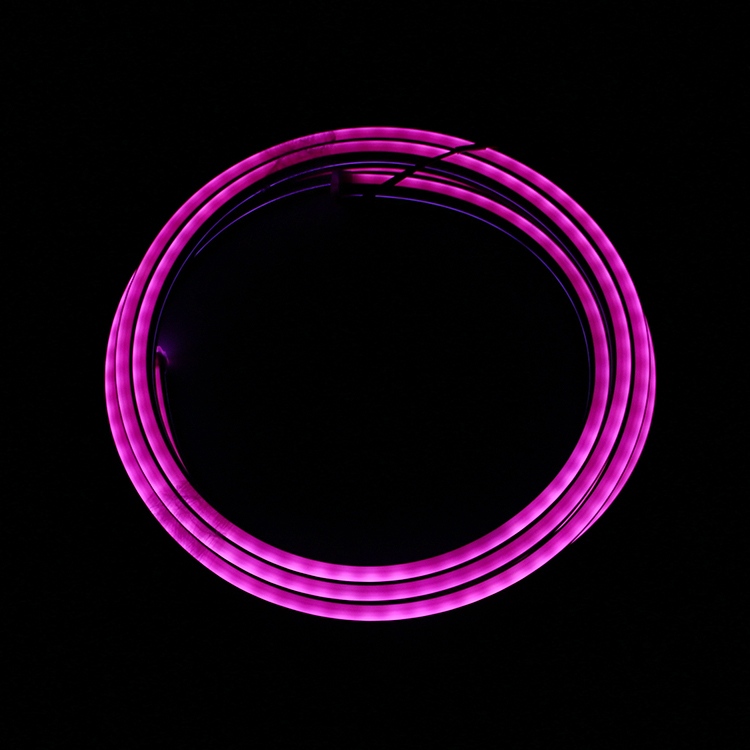
Assessing Mechanical Damage and Surface Wear
Inspect outer jackets for cuts or UV discoloration—especially on outdoor signage exposed to direct sunlight for extended periods. Maintain proper bending radius; tight curves below the design specification can fracture internal conductors, leading to intermittent faults.
Evaluating Installation Environment Conditions
Make sure the room temperature stays within work limits (usually -20°C to +50°C). Avoid paths near heat spots like transformers. These raise surface heat over safe levels for plastic cover materials.
How SHIJILIGHTING Ensures Reliability Through Rigorous Quality Standards
Shenzhen Shiji Lighting Co., Ltd. was founded in 2010, and since then, we have developed the brand SHIJILIGHTING. The company specializes in research and engineering of digital LED products, including addressable strips, programmable bars, pixel lights, backlight modules for signage, and advanced controllers designed for architectural integration.
Our main products include: addressable LED strip, programmable LED bar, Digital LED Pixel light, LED module Backlight for Channel Letters & signage. These are produced using automated equipment, ensuring consistent build quality across batches.
For high-level products, we use Epistar LED Chip; and middle-level types, we mainly use San’an LED strip to find the best balance between quality and cost. Each batch undergoes electrical continuity checks before encapsulation, followed by accelerated aging tests under controlled humidity cycles equivalent to IP68 waterproof validation standards used in outdoor-rated neon flex lines.
Our manufacturing philosophy emphasizes Integrity! Realistic! Innovation! Efficient! Responsibility!—a core value reflected across every production stage from raw material inspection through final burn-in testing under simulated environmental stress conditions available at SHIJILIGHTING.
Summary
This guide shows useful ways to spot bendable neon light faults. It covers power supply checks, light evenness tests, and physical strength reviews. Field workers often use these in upkeep tasks. By using planned checking steps with tools like multimeters and colorimeters, you can fix system stability quickly. This also stops future issues through better setup habits.
SHIJILIGHTING keeps improving pro-grade neon answers with CE-, RoHS-, and ISO9001-certified making steps. These are checked by global buyers in Europe and North America. Those areas have strict quality needs.
FAQ: Common Questions About Troubleshooting LED Neon Flex
Q: How do I fix voltage drop issues in long runs of flexible neon lighting?
A: Measure voltage at multiple points along the run; if the drop exceeds 5%, increase the wire gauge size or add additional power feed points at intervals recommended by SHIJILIGHTING engineers for optimal current distribution efficiency.
Q: What are typical signs that my flexible neon has moisture ingress?
A: Look for fogging inside the silicone casing or discoloration around connectors—both indicate compromised sealing that requires immediate replacement of affected sections before corrosion spreads internally.
Q: How do I diagnose flickering after installing a new driver?
A: Steady blinking often means unfit dimmer-to-driver talk methods. Check the PWM rate match between parts per maker sheets with SHIJILIGHTING drivers.
Q: Why does my RGB neon appear unevenly bright after several months?
A: Uneven brightness typically results from localized heat buildup, causing lumen depreciation; ensure adequate ventilation around mounting channels, especially when operating near maximum brightness settings continuously.
Q: Which tools are most useful when troubleshooting power issues in flexible neon strips?
A: A set digital multimeter is key for input/output voltage checks. An insulation resistance tester spots water entry. Clamp meters help confirm circuit load in live work tests done on-site by pros.