Why Are LED Strip Lights Becoming Essential in Modern Home Design?
The shift from traditional lighting to flexible LED strip solutions
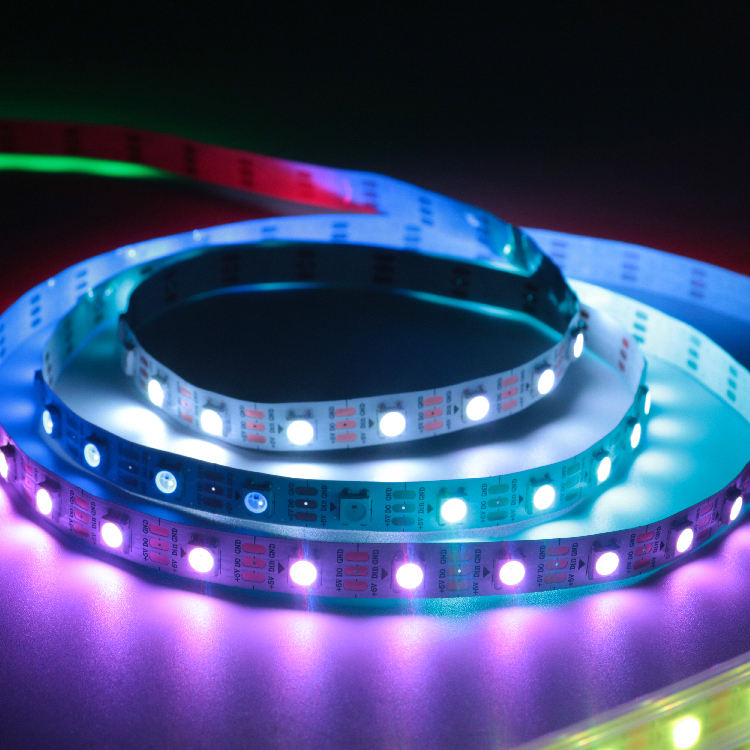
Modern home design no longer relies on fixed lights from a single source. These lights are quickly giving way to more lively choices. Flexible LED strip solutions lead this change. They help homeowners move past plain rooms. More people now want customizable home lighting environments. These let the mood change from useful task lighting to gentle background comfort with one switch. LED strip lighting works as an important mix. It joins everyday function with visual appeal.
What makes LED strip lighting different from standard lighting systems?
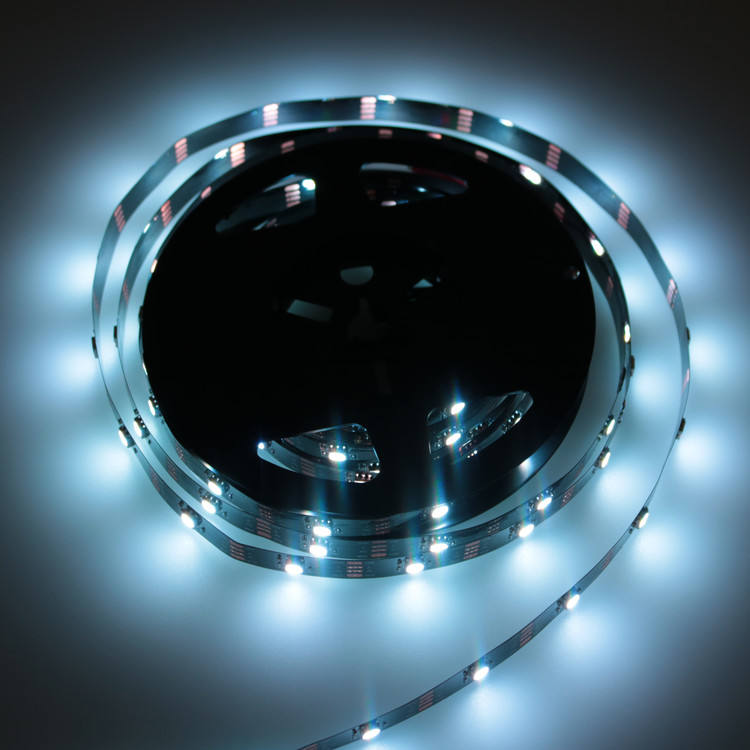
LED strips differ from traditional bulbs or large fixtures. They give excellent flexibility during setup. You can hide them in coves. You can run them along wall edges. Or you can place them under surfaces. This produces soft indirect light.
Where Can LED Strip Lights Be Used in a Home Interior?
Bedroom LED strip lighting ideas for ambient comfort
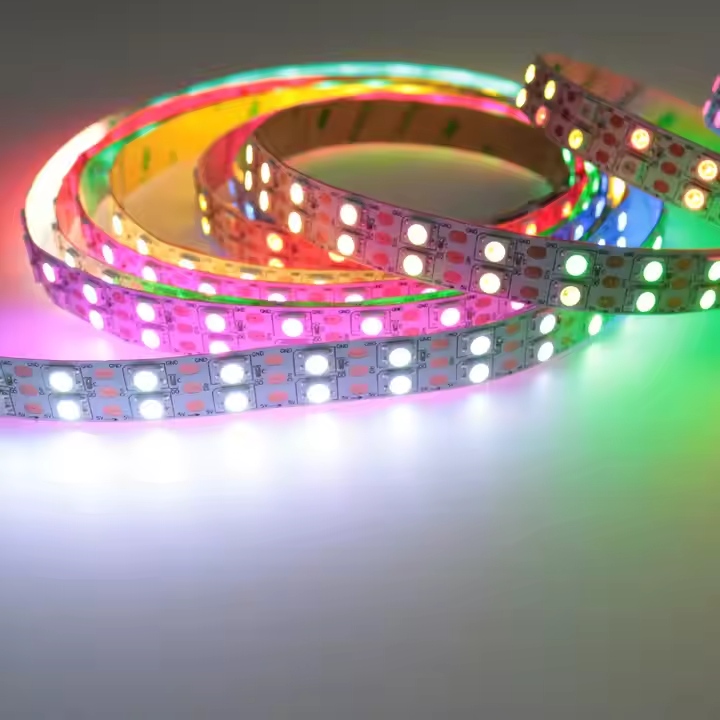
A bedroom needs calm and quiet usefulness. Bedroom LED strip lighting should focus on softness. Backlighting behind a headboard creates a mild mood. Ceiling cove lighting gives a calm glow without harshness. For these uses, SHIJILIGHTING recommends the SJ-10060-SK6812RGBW-50-5V. This 5V SMD5050 RGBW strip has 60 LEDs per meter. It supplies pure white light for reading and color choices for setting the mood. Like all our products, it comes with a 2-year warranty. This ensures steady performance over time.
Kitchen LED strip lighting for functionality and visibility
The kitchen needs clear sight and accuracy. Kitchen LED strip lighting works best under cabinets. It delivers focused light on countertops and removes shadows during meal preparation. For a clean, modern look, our SJ-100768RGB-COB-24V is a strong choice. This high-density 24V COB RGB strip creates a steady line of light. No separate diode dots appear. The result is even lighting that improves the modern kitchen style.
Living room LED strip applications for visual depth
Living room LED strip applications add depth to bigger areas. Backlighting behind a television cuts eye strain in the evening and increases the feeling of involvement. Perimeter lighting in ceiling coves gives a sense of greater height. The room then feels larger.
Bathroom LED strip lighting for modern minimalism
Waterproof LED strips can change a normal bathroom into a clean spa-like space. Bathroom LED strip lighting works well behind mirrors. It supplies even light for daily grooming without shadows. Strips placed at corners or under floating vanities strengthen a simple modern look.
How Do LED Strip Lights Improve Home Ambience and Mood Lighting?
Understanding mood lighting vs functional lighting
Good design depends on the layered lighting design principle. Functional lighting gives clear sight. Yet mood lighting creates the feeling in a space. When you combine both, you can set clear zones inside a home. The light then matches the activity and the desired mood of each room.
RGB vs white LED strip lighting: which one should you choose?
The choice between RGB and white light depends on how the room is used. Warm white tones work best for rest areas. RGB systems suit lively entertainment needs. A good balance lets the home change with daily routines.
Smart lighting control trends in modern homes
New smart lighting control trends have simplified light changes. Homeowners can use apps or voice commands. They can set detailed scenes. The environment then matches their needs, whether for focused work or a calm evening.
What Are Creative LED Strip Lighting Ideas for Modern Homes?
Architectural lighting techniques using LED strips
Architectural lighting uses LED strips to show the shape of a room. Recessed ceiling lighting produces a floating look. Lighting along wall edges adds design quality. The space then appears carefully planned.
Furniture-integrated LED strip applications
Placing lighting inside furniture, such as shelves or bed frames, adds usefulness and style. Lit shelves turn normal items into display pieces. Soft light under sofas creates a current high-quality feel.
DIY LED strip lighting ideas for personal spaces
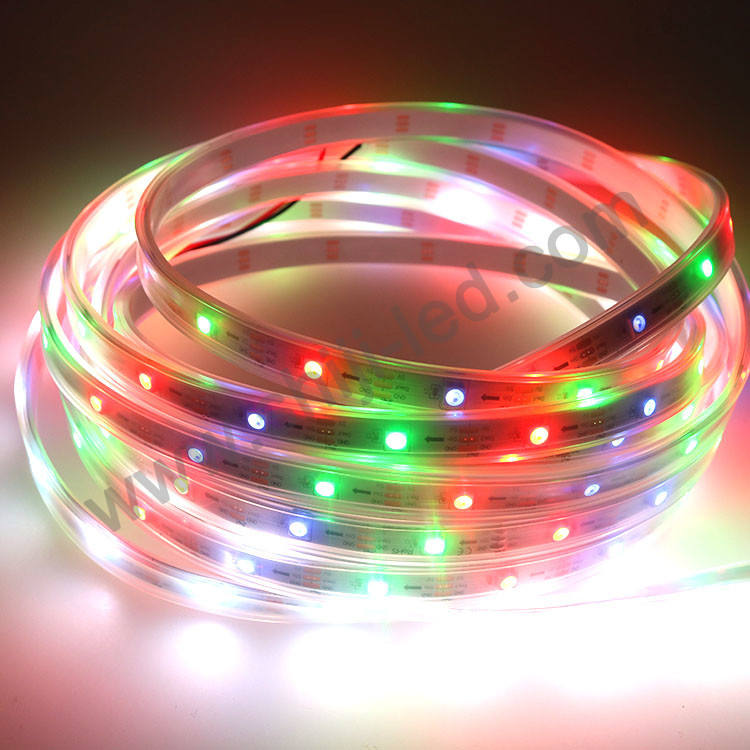
For game areas or home offices, DIY personal space lighting permits strong personal touches. We often suggest our Outdoor Programmable Flexible Strip Light RGB DC5V SK6812 Addressable LED Strip for these jobs. This 5V addressable strip has 60 LEDs per meter. It allows exact color control at each point. The feature suits lighting that reacts in real time. Such effects support better focus or improve gameplay.
What Should You Consider Before Installing LED Strip Lights?
Installation planning and placement strategy
Plan your setup first. Choose if the light should stay hidden for reflected effect or stay visible for direct decoration. Measure the area with care. This ensures even light across the whole surface.
Brightness, color temperature, and lighting consistency
Pick the right brightness level and warm vs. cool tone selection for each room. Steady choices matter. Mixing very different color temperatures in one view can break the unified feel of the space.
Power supply and safety considerations for home use
Safety must come first. Choose the right safe voltage selection, such as 12V or 24V, for longer runs. Provide enough heat release for any fixed setup. These steps protect the life of the diodes.
Common Mistakes to Avoid When Using LED Strip Lighting
Overusing lighting in a single space
Visual clutter harms good design. Do not place strips in every spot. Lighting should mark areas clearly instead of adding too many layers that create overload.
Wrong placement affecting lighting effectiveness
Bad angles cause problems. Direct glare from LED points into the eyes weakens the soft effect and creates unease.
Ignoring room-specific lighting needs
Each room has its own requirements. Bright neutral light fits kitchens. Warm, gentle light fits bedrooms. When these needs are overlooked, the home feels disconnected and less comfortable.
FAQ: LED Strip Lighting for Home Applications
Q: How to choose the best LED strip color temperature for a bedroom?
A: For bedroom use, a warm color temperature from 2700K to 3000K usually works best. This range reduces blue light. It supports a calm setting that aids sleep and rest.
Q: Where should LED strips be installed in a kitchen for the best effect?
A: The strongest placement is under the upper cabinets. This supplies task lighting for the countertop. Strips along the toe-kick of lower cabinets can add a refined accent.
Q: What is the primary benefit of integrating smart lighting control?
A: Smart lighting control makes scene changes simple. You can move from bright light for cooking to softer, warmer light for meals or rest. Voice commands or app settings handle this. The result improves comfort and saves energy.
Q: How can LED strips be prevented from overheating during installation?
A: Heat release matters for lasting performance. Mount LED strips on materials that carry heat away, such as aluminum profiles. An aluminum channel manages heat and spreads light evenly for a neat appearance.
Q: What constitutes the most common mistake in home LED strip lighting design?
A: Many people forget about the dotting effect. They use low-density strips without a diffuser. High-density strips or profiles with opal covers avoid this issue. The light then looks smooth and even instead of showing separate bright points.