What Does LED Strip Beam Angle Mean in Real Lighting Projects?
Why Is Beam Angle More Than a Technical Number?
The LED strip beam angle is a measure of how much a light is spread out from the surface of the LED strip after it has left the surface. Most people compare the wattage, voltage, or color temperature of their lights, but the beam angle of an LED strip light has the greatest influence on how a completed area will look. Will it look sharp and defined, soft and even, or be focused in a small area with the light looking uneven outside that area?
A narrow angle emits light in a focused beam, while a wider angle provides coverage of a larger surface area. It is key to realize that the same LED strip can produce dramatically different results. That result will be based on several parameters such as distance to the surface, the type of surface, and the angle and method of mounting.
How Is LED Strip Beam Angle Different From Brightness?
Brightness shows how much light the strip can create. LED strip beam angle shows where that light travels. A strip with high brightness can still appear patchy. This happens if the angle does not suit the layout. A gentler light spread may look more comfortable. A tighter beam may make edges or details stand out more clearly.
What Happens When the Beam Angle Is Too Narrow or Too Wide?
However, a beam that is too narrow can produce lines, shadows, and irregular patches of light, while a beam that is too wide can lose strength in travel and fail to reach the surface that is intended to be illuminated. The best results are typically achieved by ensuring that the coverage of the LED strip equals the distance of installation to achieve the desired effect.
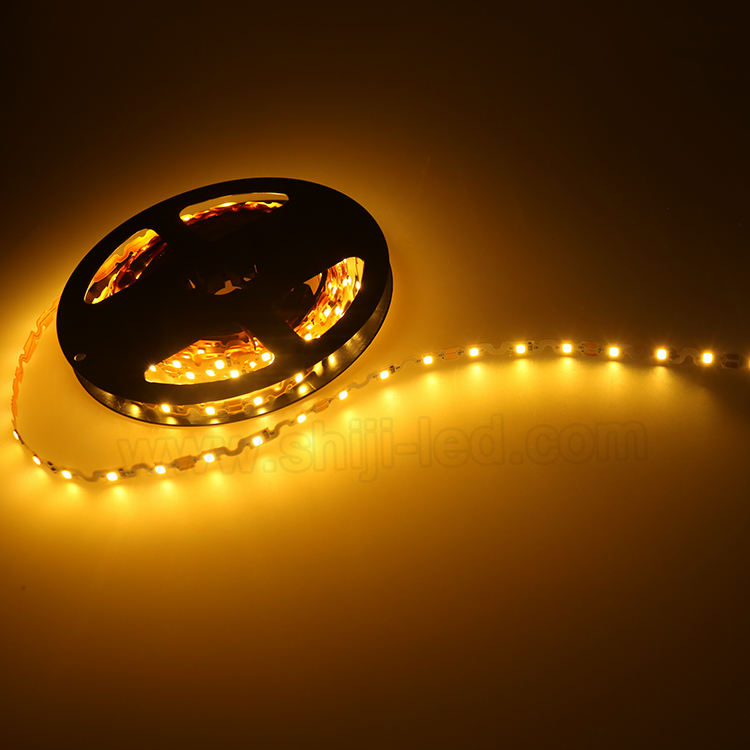
How Does LED Strip Beam Angle Affect Light Spread?
How Does a Narrow Beam Angle Change Light Concentration?
A narrow-beam-angle LED strip gives the light more strength in one direction. This can create a line, highlight an edge, or define a light path. However, it requires more precise placement. If the strip is placed too close to the surface, it may become too harsh.
How Does a Wide Beam Angle Improve Surface Coverage?
A wide-beam-angle LED strip spreads light across a bigger surface. It is often better for soft background lighting, hidden channels, and areas where users want smooth transitions instead of strong contrast. Wide-angle light can reduce dark zones. This is especially true when the strip sits inside an aluminum profile or behind a diffuser.
Why Does Installation Distance Change the Final Light Spread?
LED strip installation distance changes how the beam opens before it reaches the surface. A short distance makes the beam more visible and concentrated. A longer distance gives the beam more room to spread. This is why testing a sample in the real installation position is often more useful than reading the angle alone.
How Does Beam Angle Influence the Visual Effect of LED Strip Lights?
Why Do Some LED Strips Create Sharper Light Lines?
Sharper lines usually come from a more direct beam, closer mounting, or a visible strip position. This can help when the goal is a crisp outline or strong decorative border. But if the strip is exposed, it may also increase LED strip glare.
Why Do Some LED Strips Look Softer and More Uniform?
A softer look on LED strip lighting is generally created by a wider light distribution, higher LED density, better diffusion, or a COB structure. Our SJ-100768RGB-COB-24V 24V RGB COB LED Strip, for example, uses a very dense COB layout. This creates a very continuous line with few individual points. This type of LED strip is very suitable for projects where uniform LED strip lighting is required and a very clean surface effect is desired.
How Does Beam Angle Affect Glare, Shadows, and Hot Spots?
There is a reason why angle selection is considered critical to avoiding hot spots, harsh shadows, and glare with LED strips. Even with a diffuser, there are some situations where the basic layout will not work. And that is where the normal parameters for choosing a light come in: beam angle, mounting depth, light profile height, and surface reflectivity.
Which LED Strip Beam Angle Works Better for Different Lighting Goals?
When Should You Consider a Narrower LED Strip Beam Angle?
A narrower beam can be very effective when trying to hit a specific surface or aim the light in a particular direction. It can help create strong edge accents, create good focus for certain displays, and, in general, help to define different zones.
When Is a Wider LED Strip Beam Angle More Practical?
Using a wider beam can be more practical for tasks that require a general glow, such as background lighting or creating a secondary layer of visual interest. Such lighting is often better to hide from view and creates a more balanced look.
How Should Buyers Match Beam Angle With the Final Lighting Effect?
Users should begin with the effect they want, not only the product parameter. They should ask whether the project needs a sharp line, a soft wash, a dotless look, or dynamic color movement. This makes choosing the LED strip beam angle a design decision, not just a technical detail.
What Should Project Buyers Check Before Choosing LED Strip Beam Angle?
Is the LED Strip Installed for Accent, Outline, or General Illumination?
Accent lighting needs stronger direction. Outline lighting needs clean continuity. General illumination needs wider coverage and lower glare. Each goal changes the ideal best beam angle for LED strip lights.
What Surface Will the Light Reach?
Glossy surfaces reflect glare more easily. Dark surfaces absorb more light. Textured surfaces may make shadows more obvious. The beam angle should fit the real material, not only the drawing.
Will the LED Strip Be Hidden, Exposed, or Diffused?
Hidden strips often benefit from wider spread. Exposed strips need better glare control. Diffused strips need enough depth to mix light properly before it reaches the cover.
Does the Project Need Flexible Control or a More Uniform Line?
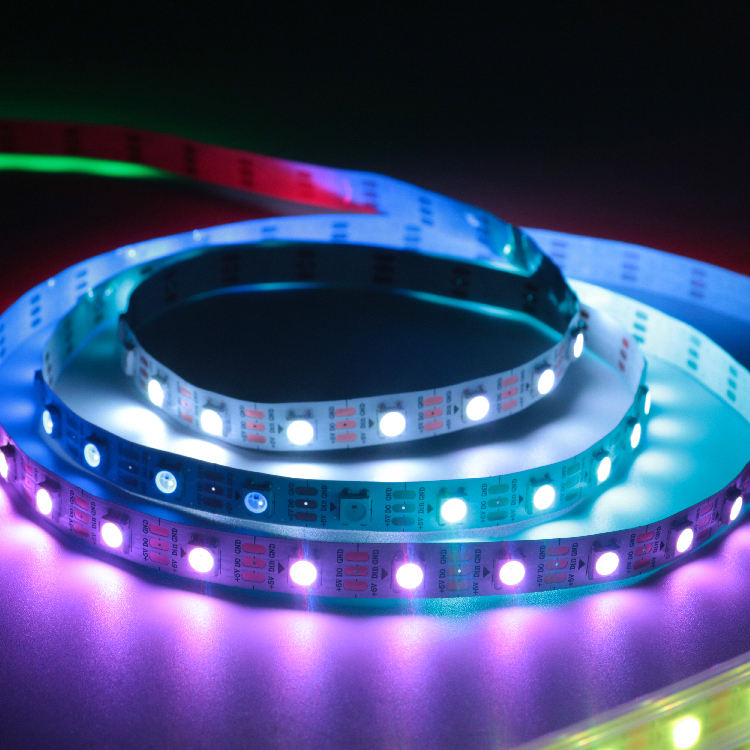
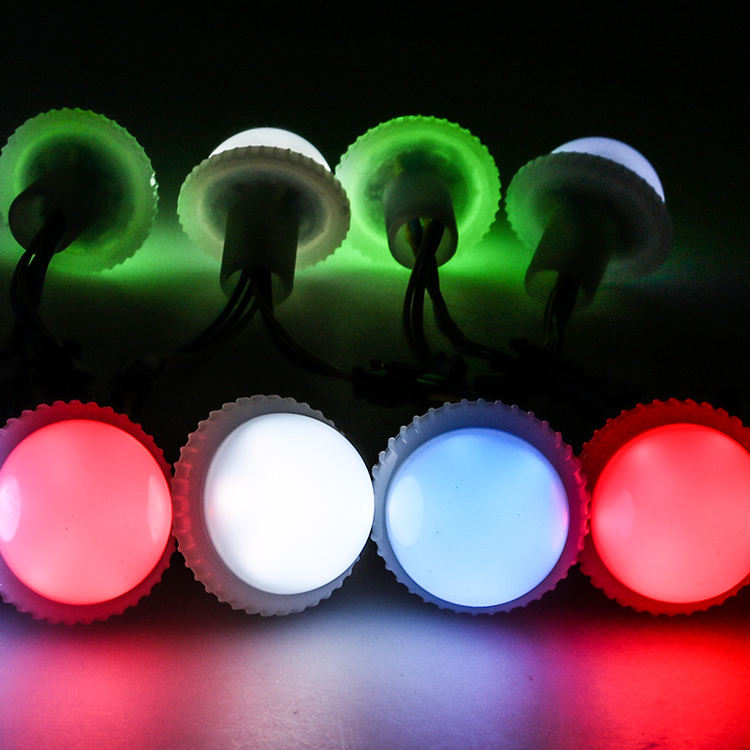
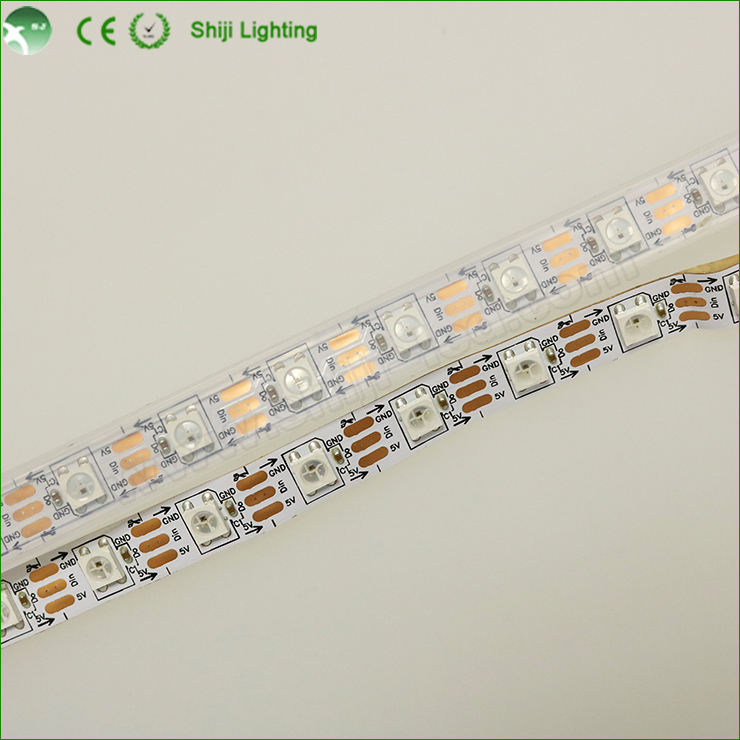
At SHIJILIGHTING, we provide products for both visual control and smooth linear effects. Our Addressable DC12V 24V LED Strip Programmable RGBW Pixel LED Strip Light supports programmable color movement for dynamic projects. For softer linear lighting, our COB and neon strip options help reduce visible dots. We also support customized LED strips, custom LED neons, custom LED bars, and custom LED pixel solutions for different installation needs with a 2-year warranty for long-term project confidence.
How Can the Right LED Strip Beam Angle Improve Project Planning?
Why Should Beam Angle Be Decided Before Installation?
Beam angle affects channel depth, profile choice, mounting height, diffuser selection, and power planning. Deciding it late can lead to visual mismatch, extra testing, or reinstallation.
How Can Beam Angle Reduce Visual Mismatch Between Zones?
Different zones may use different surfaces and viewing distances. Keeping the same strip everywhere may not create the same effect. A smarter plan compares beam angle by zone, so the final lighting feels consistent.
Why Should Beam Angle Be Considered With LED Strip Type?
SMD, COB, pixels, and neon strips all create different visual layers. When considering the beam angle of a light, it’s often considered in conjunction with LED density, the lens, the diffuser material, and the control method. The right strip for creating an LED strip lighting effect is often not the brightest strip, but the one that creates the desired effect in a given space.
FAQ
Q: How does LED strip beam angle affect light spread?
A: LED strip beam angle controls how quickly light opens from the strip. A wider angle creates broader light spread while a narrower angle keeps the light more concentrated.
Q: Is a wide-beam-angle LED strip better for uniform lighting?
A: A wide beam angle LED strip can help with smoother coverage, but LED density, diffuser depth, and strip type also matter. SHIJILIGHTING COB LED strip options can support a more continuous look when the project needs uniform LED strip lighting.
Q: Can the LED strip beam angle reduce hot spots?
A: The right LED strip beam angle can reduce visible LED strip hot spots, especially when combined with enough mounting depth, proper spacing, and a suitable diffuser.
Q: How to choose the LED strip beam angle for a project?
A: To decide how to choose the LED strip beam angle, first define the target visual effect. Then check the surface, viewing distance, installation method, and whether the light should look sharp, soft, dynamic, or dotless