Outdoor lighting becomes more sustainable when it works for years without repeated installation, replacement, or all-night operation. That is the principle behind permanent light: a durable LED system remains fixed while its colors, brightness, zones, and schedules change as needs change. The useful question is not simply how long a lamp can glow, but how efficiently one installed system can serve everyday architecture, holidays, events, and safety. This shifts the decision from buying a seasonal effect to planning a long-lived, controllable service.
What Does Permanent Light Mean in Sustainable Outdoor Lighting?
Permanent Does Not Mean Always On
“Permanent” describes the installation, not the operating schedule. A permanent outdoor lighting system stays mounted and ready, but should illuminate only the required areas and hours. Timers, dimming, presets, and zones prevent waste. Even a low-power fixture can waste energy or add light pollution when it is aimed badly or operated unnecessarily.
From Seasonal Decoration to Durable Infrastructure
Temporary strings are clipped, removed, stored, and replaced repeatedly. Year-round roofline lighting turns that cycle into durable infrastructure with protected wiring, fixed spacing, concealed mounting, and reusable scenes. Longer service means fewer discarded sets and less repeated work. The same hardware can shift from warm architectural white to holiday color, so a new visual purpose does not require a new material set.
How Does Permanent Light Work from Power to Pixel?
Low-Voltage Power Conversion and Distribution
A typical system converts building power to low-voltage DC, then distributes it along planned cable runs. Voltage, conductor size, run length, node count, and power-injection points must be calculated together. Low voltage does not automatically make a design efficient; the electrical architecture must match the load and limit losses.
Individually Addressable LED Nodes and Data Signals
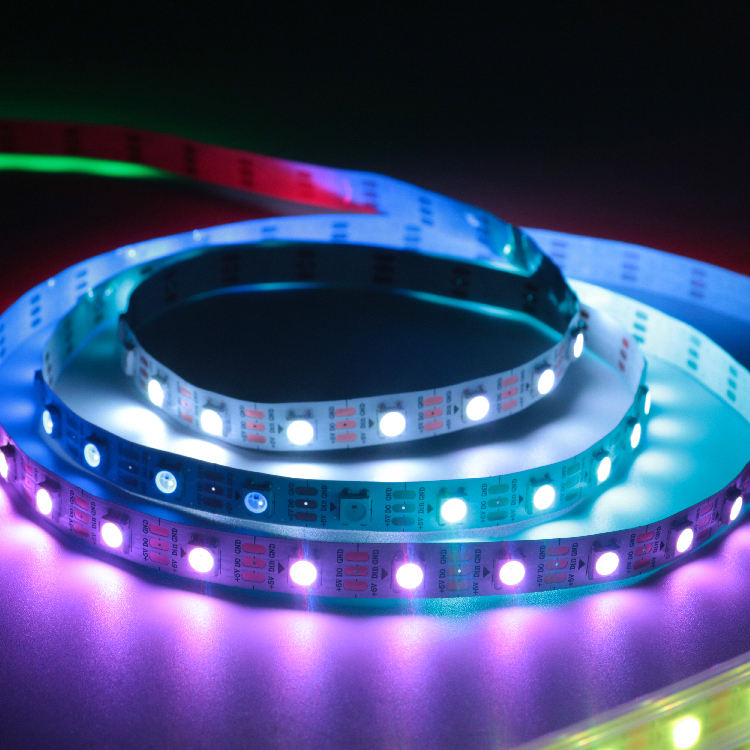
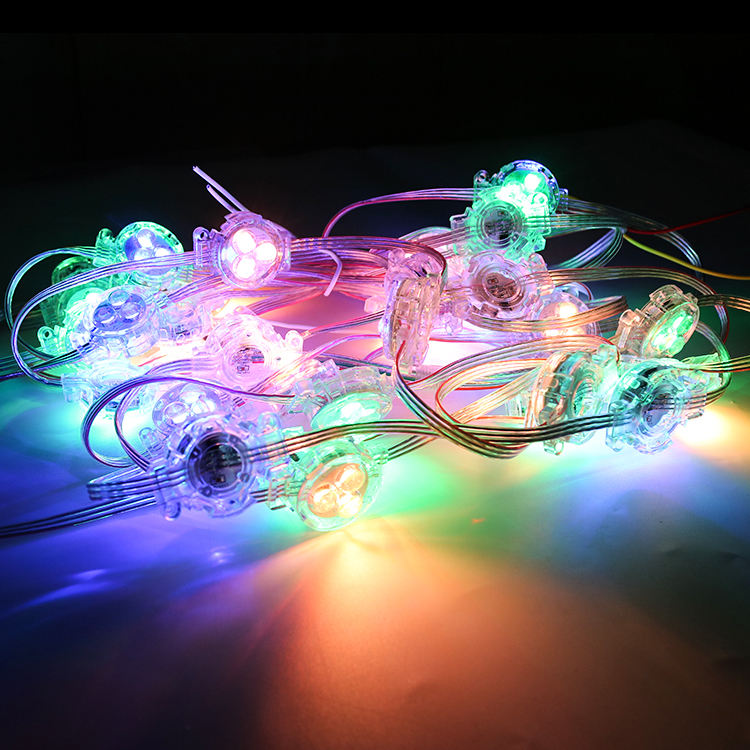
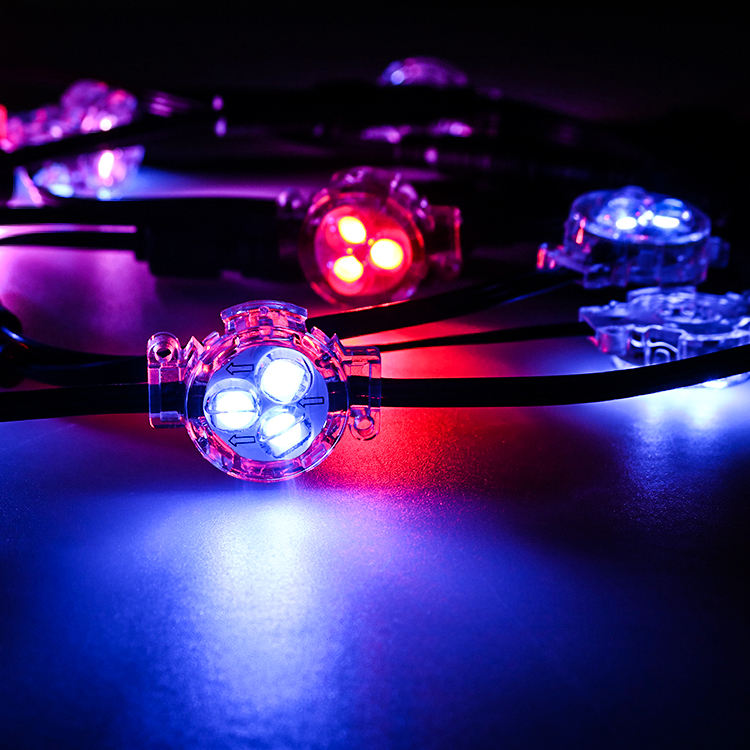
Each pixel contains LEDs and a control IC. A controller sends data, and every addressable node interprets its color and brightness instructions. RGB mixes red, green, and blue; RGBW adds a dedicated channel for cleaner white light. This addressable permanent lighting principle creates accent light, holiday color, or motion without rewiring.
Protective Tracks, Connections, and Smart Control
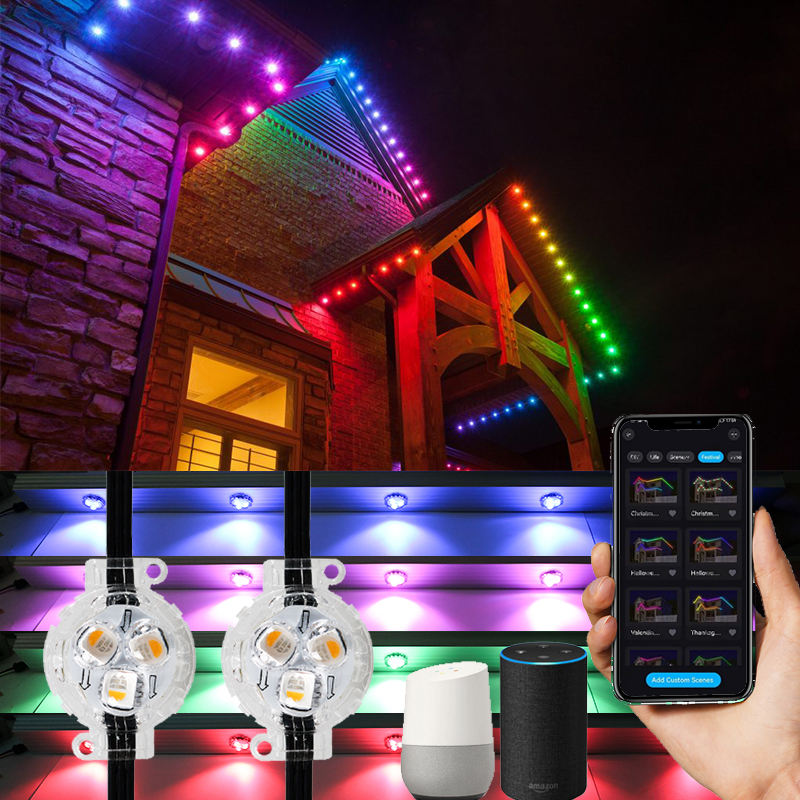
Track keeps spacing consistent, shields wiring, and hides the system in daylight. Weather-resistant connectors preserve the path between sections, while Wi-Fi or Bluetooth controls manage schedules and zones. Node spacing and distance from the wall shape the visible pools of light, so optical planning matters as much as pixel count. A smart permanent light system combines optics, power, data, protection, and software.
Why Is Permanent Light a More Sustainable Lighting Approach?
Lower Energy Demand Through Efficient LEDs
LEDs waste less energy as heat than older decorative sources, but responsible design goes further. Brightness should match the surface and viewing distance. Dimming for daily use and reserving bright scenes for short events lets energy-efficient permanent lights meet the visual goal with lower demand.
Less Material Waste Through a Longer Service Life
Durability keeps housings, wires, connectors, and packaging out of the waste stream longer. Sustainability improves when a damaged section can be accessed instead of replacing the entire run. This lifecycle view is more useful than wattage alone.
Schedules and Zones That Limit Unnecessary Light
Digital control reduces energy use and nighttime spill. Separate roof peaks and entrances into zones, dim rather than over-light, and schedule shutoff after activity ends. This also avoids the rebound effect in which efficient lights consume more simply because they run longer. The best sustainable outdoor lighting is available all year but is active only when it adds value.
What Makes Permanent Light Reliable Outdoors?
Match Weather Protection and UV Resistance to the Site
Covered eaves, open roof edges, coastal air, rain, snow, and strong sun impose different stresses. The IP rating must suit the site, while seals, cable jackets, lenses, and connectors need UV and temperature resistance. A protected pixel still fails if a connection becomes the weak point.
Plan Voltage and Cable Runs for Consistent Brightness
Long runs may lose voltage. This causes dim pixels or uneven white tones. A low-voltage permanent lighting system requires calculated sections, properly sized conductors, and planned injection points. Higher-voltage DC can reduce the drop. The final choice depends on node power, distance, controller compatibility, and local electrical practice.
Make Connections and Zones Accessible for Maintenance
Permanent should not mean unreachable. Keep power supplies ventilated, controllers protected, connectors serviceable, and zones documented. Test color, data continuity, waterproofing, and full-load operation before handover. A simple handover record of cable routes, injection points, controller settings, and spare sections can make future service faster and less wasteful. At SHIJILIGHTING, we use incoming inspection, semi-finished testing, finished-product aging, waterproof checks, and final sampling.
Which Permanent Light Design Fits the Project?
Discreet Roofline Lighting for Homes
Homes need a subtle daytime appearance, clean white light, and flexible celebration color. For those priorities, our 30mm RGBW UCS2904 LED pixel light, provides three SMD5050 RGBW LEDs, 12V/24V/48V options, 0.96W per pixel, single-pixel addressing, a UV-resistant milky lens, and concealed track mounting. Its dedicated white channel also supports calmer everyday scenes without relying on mixed RGB white. The project specification includes full-silicone IP68 encapsulation for rooflines and eaves.
Architectural Accent Lighting for Larger Facades
Larger facades need more visible output and stable 24V distribution. Here, our SJ-507-24V 50mm RGBW pixel point light uses seven SMD5050 RGBW LEDs, UCS2904 control, 2.24W per unit, customizable wire length, and IP67 construction. It suits outlines where a 30mm node appears too small at the viewing distance.
High-Visibility Lighting for Large Outdoor Features
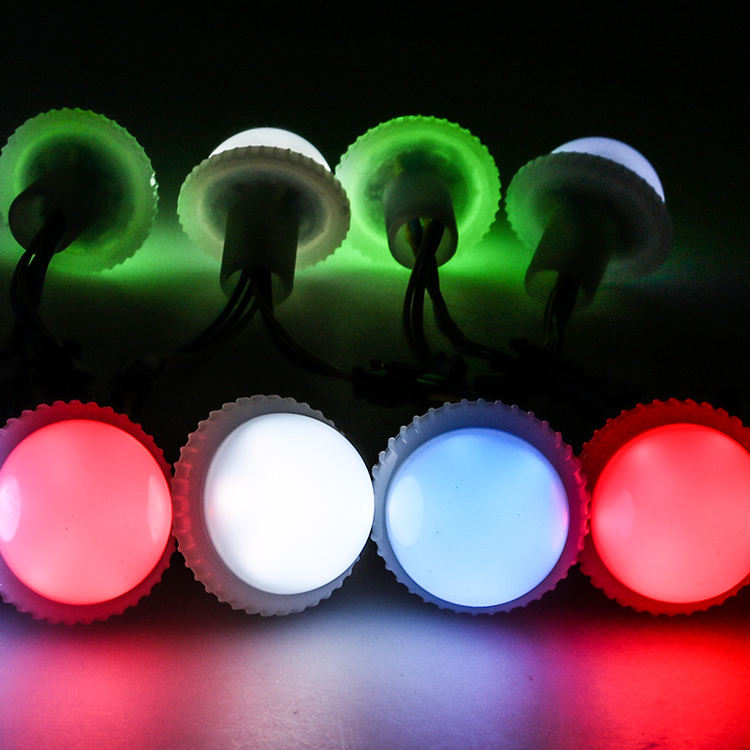
Large outdoor features need a broad viewing angle and enough luminous surface for multiple directions. At that scale, our SJ-6018-2904RGBW-360-24V uses 18 SMD5050 RGBW LEDs, UCS2904 control, DC24V input, 4.32W per unit, 360-degree viewing, and IP65/IP67 options. A related customized 60mm RGBW permanent pixel light is available for themed decorative lighting projects. All three SHIJILIGHTING models carry a 2-year warranty, with OEM options for wire length, voltage, packaging, and installation accessories.
FAQ
Q: What is a permanent light system and how does it work?
A: A permanent light system is a fixed, weather-rated LED installation. Addressable nodes receive color and brightness data, while a controller manages scenes, zones, and schedules.
Q: Is permanent light more energy-efficient than temporary holiday lighting?
A: Permanent LED lighting can use less energy than incandescent decoration because LEDs waste less power as heat and support dimming and schedules. Consumption still depends on pixel count, wattage, brightness, and operating hours.
Q: How long can permanent light last outdoors?
A: Service life depends on heat, moisture, UV exposure, loading, installation, and maintenance. LEDs may be rated around 50,000 hours, but the system lasts best when connectors, power supplies, and seals are correctly specified.
Q: What IP rating should a permanent light have for outdoor use?
A: Match the rating to exposure. IP67 suits demanding general outdoor conditions; an IP68 fully encapsulated pixel adds protection in exposed or high-moisture locations. Connectors and power components also require protection.
Q: Can permanent light be controlled by an app and scheduled?
A: Yes. Compatible Wi-Fi or Bluetooth controllers provide color selection, dimming, saved scenes, timers, and zone control. SHIJILIGHTING can match addressable pixels with suitable controllers and OEM configuration support, backed by a 2-year warranty