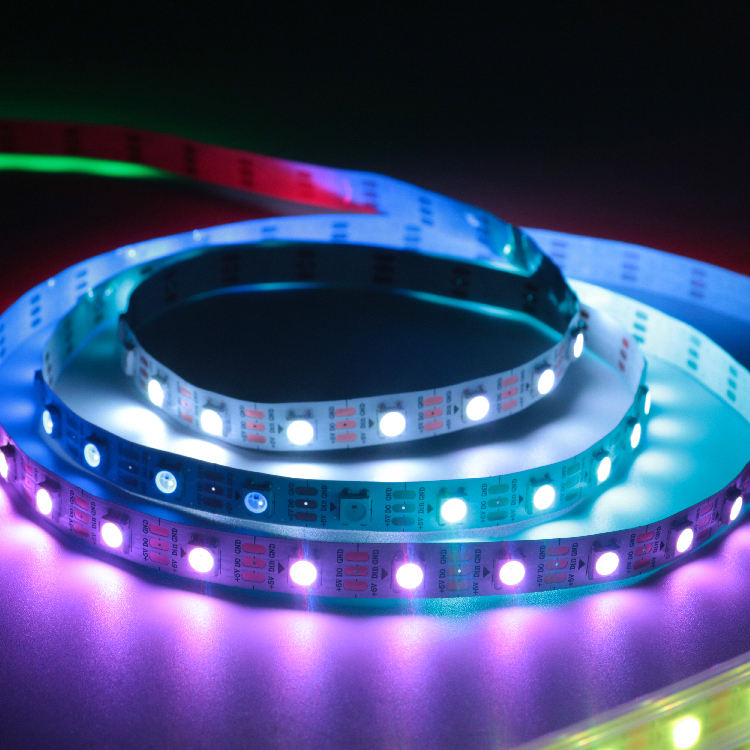
When it comes to studying, students and other working professionals require the best LED light color for their intense studying hours. Typically, they are engaged in studying by means of reading, writing, and working on their computers at desks for long hours.
Proper lighting not only illuminates objects inside a room. It also determines functionality and the level of comfort for our eyes and for our rest. The proper temperature will ensure that you can work properly at night without any problems concentrating.
What Is the Best LED Light Color for Studying and Focus?
The best study LED light depends on the time of day and the tasks at hand. Different light colors send different signals to your brain. They influence your energy, alertness, and mood in subtle ways.
Why Cool White and Daylight Help with Alertness
Cool white and daylight tones work well for morning or afternoon work. These tones usually range from 4000K to 6500K. They copy natural daylight and help keep your mind sharp. They also reduce sleep signals so you stay alert during hard tasks.
Why Warm White Is Better for Late-Night Study Sessions
Warm whites are more suited during evenings. The color temperatures for warm whites fall between 2700K and 3000 K. Warm white lights give off an amber hue that aids in relaxation yet provides sufficient visibility to read.
How LED Light Color Affects Focus, Eye Comfort, and Sleep
How Color Temperature Influences Concentration
Higher color temperatures wake up the brain’s light sensors. They speed up reaction times and help with focus. Cooler light works well when you read dense papers or solve hard problems. It keeps your mind in a daytime mode.
Why Blue-Rich Light Should Be Used Carefully at Night
Blue light helps during the day. But strong cool light at night can lower melatonin levels. This often leads to poor sleep and weaker memory the next day.
How Poor Lighting Can Increase Eye Strain and Fatigue
Weak lighting makes your eye muscles work harder. Without flicker-free and glare-controlled lighting, small flickers can cause headaches, blurry sight, and tiredness. These issues shorten how long you can study.
Best LED Color Temperatures for Different Study Scenarios
Daytime Studying: 4000K–6500K for Focus and Clarity
Use a daylight setting when natural light is strong, or you need to focus. This range gives high contrast and suits detailed writing or exam prep.
Evening Studying: 3000K–4000K for Balance
Neutral white light sits between strong focus and rest. It gives a steady glow that stops early drowsiness and stays easy on the eyes.
Late-Night Studying: 2700K–3000K for Comfort
Switch to the warmest setting for late reading. The soft, warm light keeps your eyes from tiring and helps your brain slow down after studying.
How to Set Up Better Lighting for Late-Night Studying
Light color is only part of the setup. How you place the lights also matters for comfort during long sessions.
Use Adjustable Brightness Instead of Maximum Brightness
Very bright lights in a dark room create harsh contrast. Lower the task light to match the room’s overall brightness. This step helps reduce eye strain a lot.
Position the Light to Reduce Glare and Shadows
Place the main light on the side opposite your writing hand. This stops shadows from appearing on your work. Angle the light so it covers the desk evenly and avoids direct shine into your eyes or off the screen.
Combine Desk Lighting with Soft Ambient Light
One bright desk lamp alone causes eye fatigue. Add soft background lights to create a smooth visual field. This protects your eyes during long focus periods.
What Features Should a Study LED Light Have in 2026?
Lighting tools have changed. Simple on-off lamps no longer meet today’s needs. Good desk setups now call for flexible and easy-to-use features.
Adjustable Color Temperature for Different Study Times
An adjustable color temperature option is now a must. It lets you move from bright daylight for afternoon work to soft, warm light for evening reading.
Flicker-Free and Glare-Controlled Lighting for Eye Comfort
A hidden flicker often causes headaches from screens. Choose flicker-free and glare-controlled lighting to get a steady beam that stays comfortable for hours.
Energy Efficiency and Long-Term Daily Use
Study lights run every day. Pick good LED options to keep power use low and to enjoy a long lifespan that lasts through school or work.
How SHIJILIGHTING Supports Better Study and Focus Lighting
At SHIJILIGHTING, we know that a good study space needs both accurate lighting and steady performance. We build our lights to work well for custom desk and room setups.
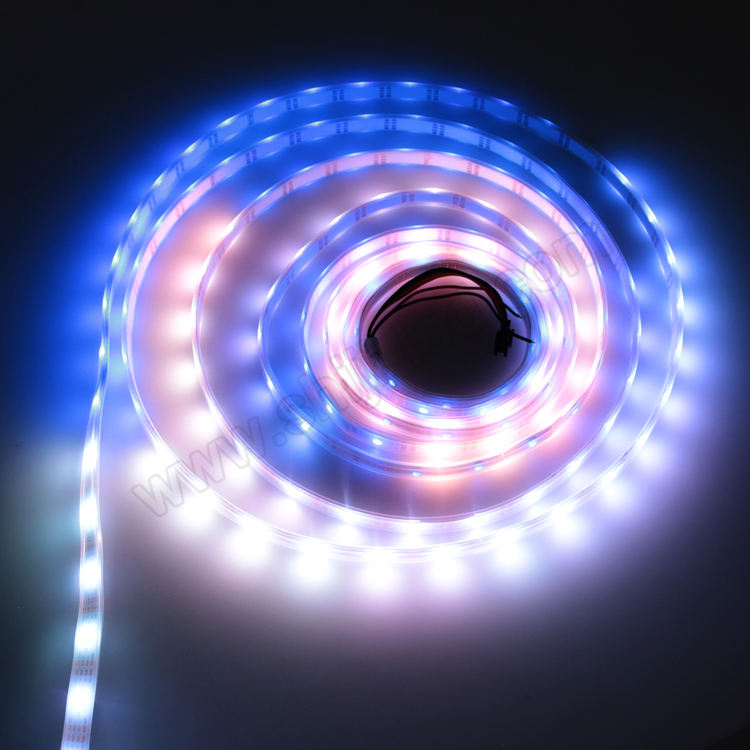
High-Quality LED Strips for Custom Desk Configurations
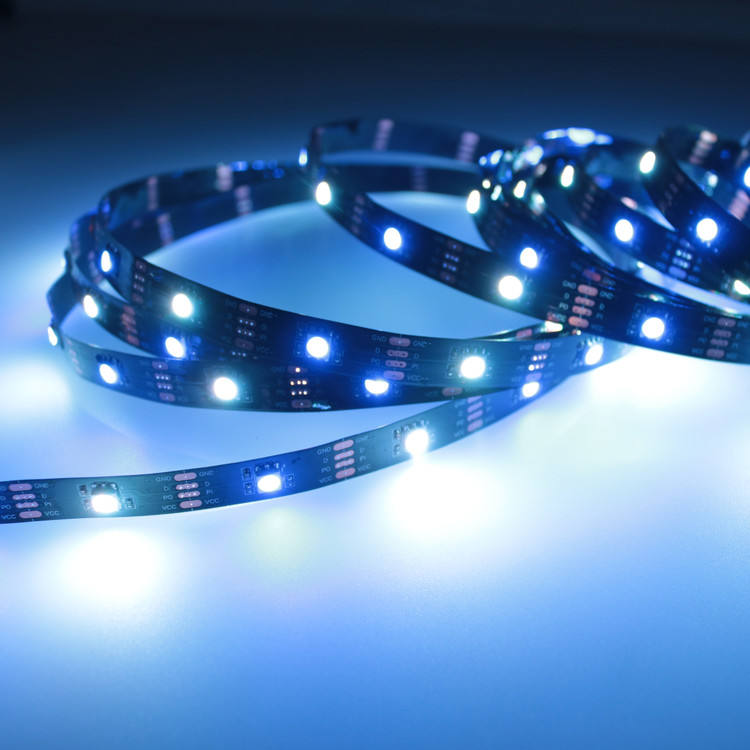
We use strong SMD2835 and SMD5050 LED chips in our flexible strips and rigid bars. These can be placed under shelves, behind TVs and monitors, or along edges of your worktop. High-density flexible strips provide very even light to the whole work area without any dark shadows.
Adjustable Color Temperature Capabilities
Our LED products support adjustable color temperature controls. You can set a clear 6000K daylight tone for afternoon work or a soft 3000K warm white tone for late-night studying. The lights match your natural body rhythm.
Flicker-Free and Glare-Controlled Engineering
We protect your eyes first. Our LED Strips and bars use solid PCB designs and quality chips for flicker-free and glare-controlled lighting. The steady light helps reduce eye strain and cuts headaches that come from weaker fixtures.
Reliable 2-Year Warranty for Long-Term Daily Use
Study lights see heavy use, so strength counts. Our products manage heat well and use quality parts to hold brightness over time. We back them with a 2-year warranty, so your choice of the best LED light color for studying supports your work for years.
FAQ
Q: Does a higher color temperature improve concentration?
A: Yes. During daytime hours, cool white and daylight tones (4000K–6500K) raise alertness and focus by copying the effect of sunlight.
Q: How can I reduce eye strain during long reading sessions?
A: Choose flicker-free and glare-controlled lighting for your space. Do not use one bright light in a dark room. Add soft background light to balance the view.
Q: Are LED strip lights suitable for a study desk setup?
A: Yes. Good LED strips and rigid bars create even light that fits different times of day. Look for models with adjustable color temperature control.
Q: Why is warm white light recommended before bed?
A: Warm white light gives off less blue light than cool daylight. This helps your brain relax so you can finish late-night studying without trouble sleeping later.