Blog

Essential Components for High-Performance LED Strip Installations

Table of Contents

What Makes a High-Performance LED Strip Installation Stand Out?

Key Features That Define a Reliable LED Strip System

A great LED strip setup shines because of a few key things. It’s bright, saves energy, lasts long, and is easy to put up. The parts—like the PCB (printed circuit board), how many LEDs are packed in, and the connectors—make a big difference in how well it works.

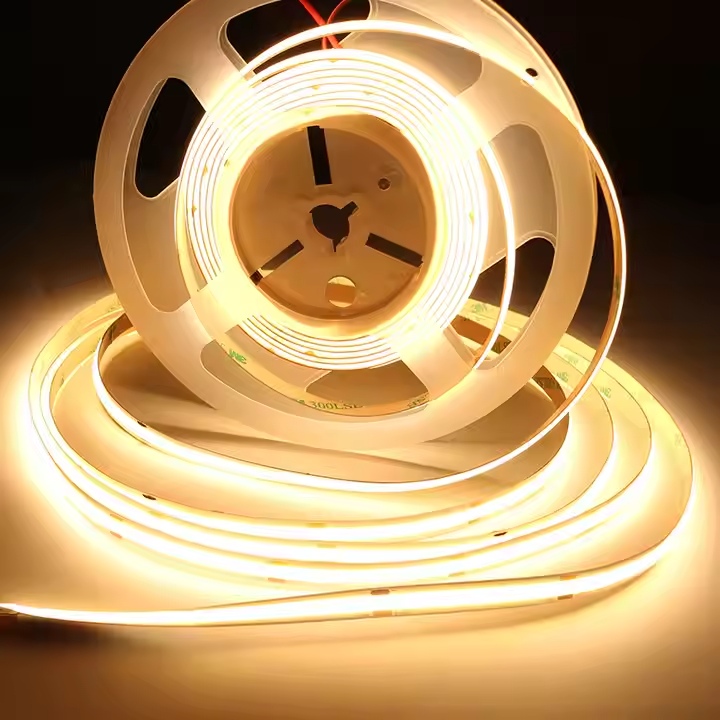
Take the Light Decoration 768leds/m DC24V RGB COB LED Strip 14w/m COB RGB Led Strip Light from Shiji Lighting, for example. It has 768 LEDs per meter. This gives super bright and even light with its COB (Chip On Board) design. It uses 14W per meter and runs on DC24V. It puts out over 100 lumens per watt. This makes it both powerful and energy-saving.

Shiji Lighting’s LED strips meet CE and RoHS standards. They come with a 2-year warranty. This ensures they’re reliable for a long time. As a trusted digital LED product supplier since 2010, we make digital LED pixel lights, programmable LED bars, and other cool lighting solutions.

How Do Efficiency and Brightness Affect Performance?

Brightness and efficiency go hand in hand. They have a big impact on how well an LED strip works. More lumens per watt means you get more light with less power. This cuts down on electric bills. It also keeps the LEDs from getting too hot. Less heat helps them last longer.

Shiji Lighting’s COB RGB LED Strip gives over 100 lumens per watt at just 14W per meter. It’s bright without using too much power. This makes it perfect for homes or businesses where steady light is a must.

Comparing Low-End vs. High-End LED Strip Installations

Cheap LED setups often skimp on quality. They use fewer LEDs per meter. They have weak PCBs. They don’t handle heat well. These systems might flicker or break down fast because of heat or power issues.

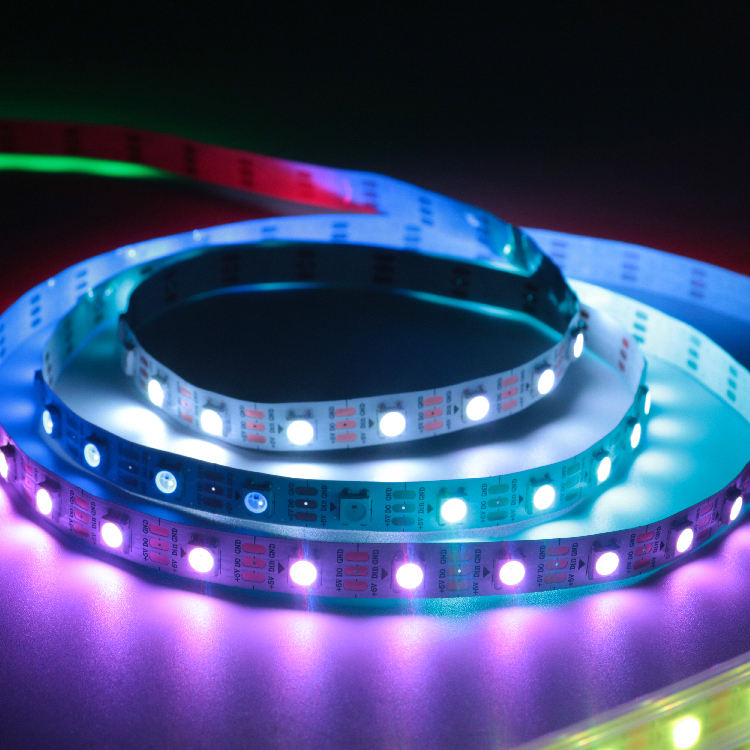
High-end setups, like those from Shiji Lighting, use top-notch materials. They have flexible PCBs and constant current designs for steady light. They also use careful soldering. For example, their addressable smart strip lights, like the Addressable Smart Strip Lights APA102C SK9822 DC 5V 60leds/m LED Strips, let you control each pixel. The flexible PCB can be cut at each pixel.

How Can You Achieve Energy Efficiency in LED Strip Installations?

The Role of Power Consumption in Long-Term Savings

Saving energy means saving money over time. Using less power for the same light cuts your electric bill. It also helps the planet. With global rules like the Paris Accord, the EU’s Green Deal, or China’s Dual Carbon Goals (carbon peaking by 2030 and neutrality by 2060), efficient lights are super important.
 

SMD 4020 RGB LED Strip Side-Emitting Flexible Digital LED 8mm Width DC5V for Digital Devices-1.jpg

Choosing the Right Voltage and Wattage for Your Setup

Picking the right voltage, like 5V or 24V, depends on your project. Higher voltages, like DC24V, are better for long setups. They help avoid dimming at the ends. Shiji Lighting’s SJ-100768RGB-COB-24V uses DC24V. This keeps the light steady over long distances.

Wattage should match your lighting needs. It should stay within safe power limits. This prevents overheating or overloading your system.

How Shiji Lighting’s LED Strips Help Save Energy

Constant Current Design for Stable Output

Many Shiji Lighting products use constant current circuitry. This makes sure every part of the strip gets the same power. It doesn’t matter how long the strip is or how much power it’s using. This setup boosts efficiency. It cuts down on flickering and heat damage.

High Lumen Efficiency with Lower Power Input

The COB RGB LED Strip from Shiji Lighting gives over 100 lumens per watt at just 14W per meter. It’s bright but doesn’t use much energy. This helps lower your environmental impact over time.

Why Is Installation Quality Crucial for LED Strip Performance?

Common Installation Mistakes and Their Impact

Messing up the installation can cause problems. Bad soldering, wrong power supplies, or poor heat management can lead to dim lights or weird colors. The strip might even stop working. Using the wrong controllers or skipping amplifiers on long runs can also mess up the signal in smart strips.

Importance of Proper Heat Dissipation and Mounting

Heat can hurt LED strips. It shortens their life. Using aluminum mounting profiles helps keep things cool. Shiji Lighting offers matching accessories, like mounting channels. These look nice and work well.

Simplifying Installation with Shiji Lighting’s Solutions

Flexible PCB Design for Easy Bending and Placement

Shiji Lighting’s APA102C/SK9822 DC5V strips use flexible PCBs. You can bend them around corners without breaking anything. This makes them great for tricky layouts or custom signs.

Pre-Soldered Connectors and Seamless Integration Options

Our strips come with pre-attached connectors on both ends. They also have separate power and ground wires. This makes them easy to set up, even if you’re not a pro.
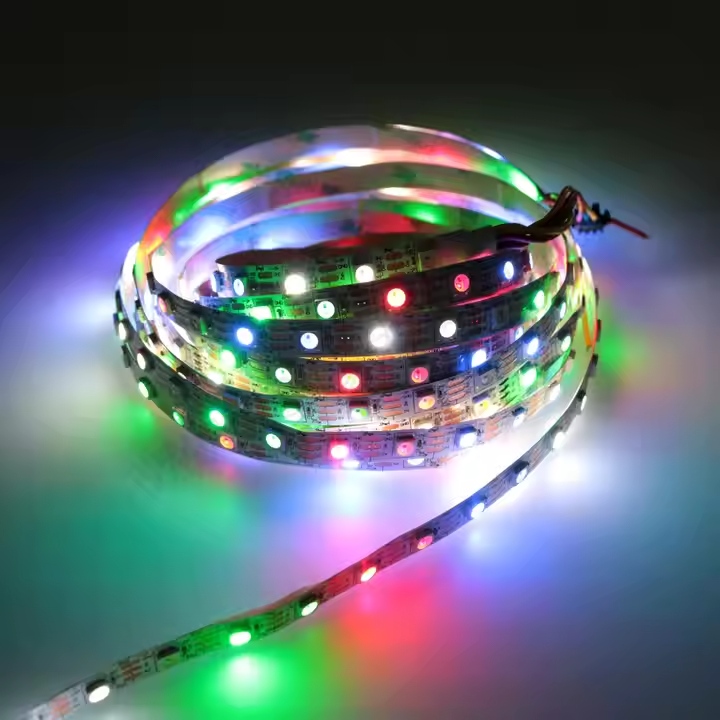
 

DC5V 10mm Width Digital LED Flexible StripsSMD 5050 RGB SK6812 LED Programmable led strip.jpg

Which Accessories Enhance Your LED Strip Installations?

Importance of Controllers, Dimmers, and Amplifiers in Customization

Fancy controllers let you create cool effects, like chasing or fading lights. These are great for places like bars or stores. Shiji Lighting supports different controllers, like SD card, DMX, or Artnet controllers. They let you make fully programmable lighting shows.

Dimmers let you change the light level for different moods or times. Amplifiers keep the signal strong across big setups.

Choosing the Right Power Supply Units (PSUs) for Optimal Output

A good PSU needs to match the total wattage of your setup. Add about 20% extra for safety. For example, ten meters of SJ-100768RGB-COB-24V needs a PSU rated above 140W at 24V. This keeps things stable. We offer power supplies that match our strips, so you don’t have to guess.

Mounting Profiles and Diffusers: Aesthetic Meets Functionality

Mounting profiles help manage heat. They also give a clean look for visible setups. Diffusers soften the light from individual LEDs. This is important in places like hotels where the mood matters. Our accessory range includes diffusers that work perfectly with our strips. They make the light look nice and protect the LEDs from dust or water.

FAQ

Q: What is the difference between addressable and non-addressable LED strips?

A: Addressable strips let you control each pixel with digital signals. Non-addressable ones change color all at once across the whole strip.

Q: How do I choose between 12V and 24V LED strips?

A: Use 12V for short runs under five meters. Pick 24V for longer setups to avoid dimming at the ends.

Q: Can I cut my LED strip without damaging it?

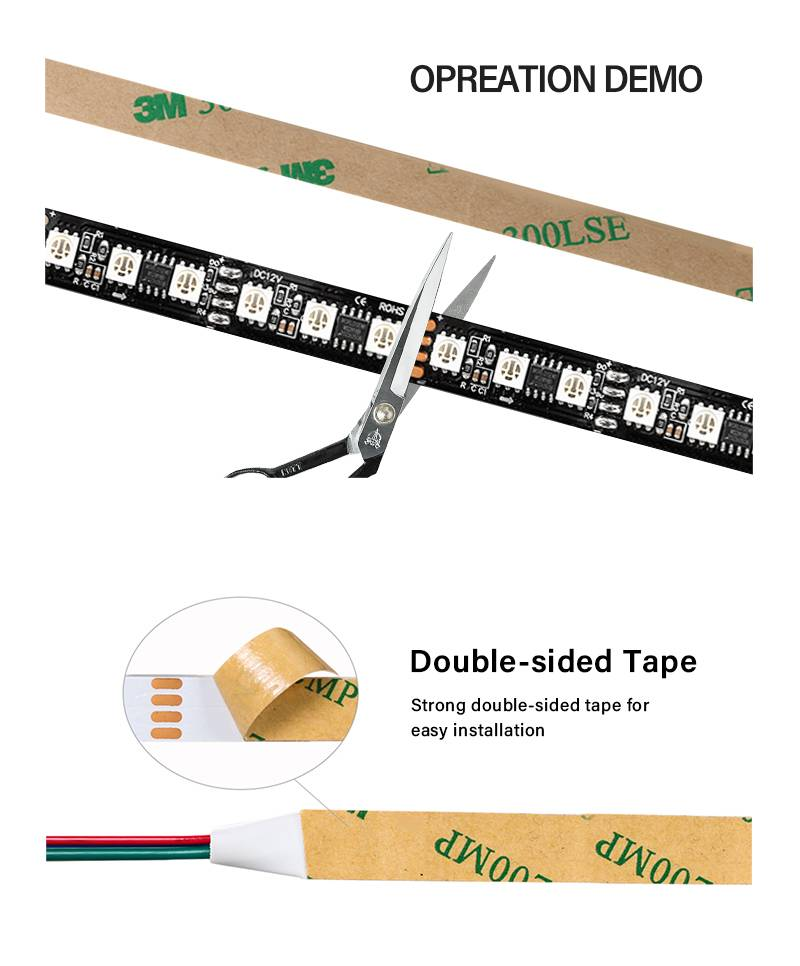
A: Yes, most good strips have marked cut points. Always follow the maker’s instructions to avoid problems.

Q: Do I need a controller for basic white lighting?

A: No, single-color white strips don’t need a controller. Just connect them to a matching PSU.

Q: How can I prevent my LED strip from overheating?

A: Use aluminum profiles for mounting to keep things cool. Make sure there’s good airflow around closed setups.

Related Case

Understanding the Basics of Programmable LED Strips and Their Controllers
COB LED Strip for Projects: How to Choose the Best Type in 2026 Why COB LED Strip Is the Ideal Choice for Modern Projects What Makes COB LED Strip Different from Traditional LED Strips Packaging technology forms the main difference between COB LED Strip for Projects and traditional SMD types in 2026 lighting design. Traditional strips have visible gaps between chips. These gaps create harsh bright spots. The COB LED strip places hundreds of LEDs closely onto a flexible printed circuit board. A continuous phosphor layer covers the LEDs. This design removes all visible spots. It creates a smooth and even line of light. The result greatly improves visual quality. How COB LED Strip Enhances Lighting Quality and Continuity The COB LED strip uses very high-density chip placement. This produces perfect lighting continuity. The even light greatly lowers glare. It creates a softer and more professional effect. Modern buildings, luxury stores, and fine interior designs need excellent light quality. This steady linear light clearly defines structural lines. It delivers a deep visual experience. What Types of COB LED Strip Should You Consider? Flexible vs Rigid COB LED Strip Options Project planning requires careful selection of the right types of COB LED strip. Flexible versions work well on curved surfaces and irregular shapes. Designers can bend them to follow unusual lines. Rigid versions sit in aluminum profiles. These suits are suitable for straight wall washing tasks. The aluminum profile provides strong cooling. It also gives solid support across long distances. Color Temperature and Brightness Variations for Different Projects The chosen color temperature sets the final mood. Warm white from 2700K to 3000K produces a comfortable feeling for homes and boutique hotels. Cool white delivers the clear light needed for work areas and medical rooms. A COB LED strip with RGB color options can create many combinations. This makes it the top choice for entertainment venues and lively building fronts. Waterproof and Outdoor Rated COB LED Strips Landscape projects, bathrooms, and damp basements need strong water protection. Outdoor Types of COB LED strip use quality silicone or epoxy resin. They reach IP65 or IP67 ratings. This sealing guards the internal parts against moisture, dust, and UV rays. The protection does not reduce the bright light output. How to Select the Best COB LED Strip for Your Project Matching COB LED Strip Specifications to Your Application Needs Designers must study the exact lumen needs and color rendering targets. This helps them configure the Best COB LED strip for each space. Soft light works best for hidden ceiling areas. High brightness COB LED strip Specifications suit task lighting over kitchen counters. At SHIJILIGHTING, our sales and engineering team understands these varied needs. They provide custom pixel LED and continuous lighting solutions for specific architectural demands. Understanding Voltage, Power, and Lumens for Optimal Performance Long wiring in commercial sites can cause a voltage drop. This leads to lower brightness at the far end. The correct voltage choice keeps performance steady. For example, our signature SJ-100768RGB-COB-24V model runs at DC24V with 768 LEDs per meter. It holds even brightness across long runs. If a project needs individual pixel control, our SK6812 Addressable LED Strip offers high accuracy. We provide a solid 2-year warranty on all product lines to protect your investment. Choosing the Right Length and Cutting Options Check the minimum cutting length in the COB LED strip apecifications when you plan layouts. Modern high-density strips allow very short cuts. This gives great flexibility during installation. Technicians can cut precisely to fit custom cabinets, display cases, or special architectural spaces. No dark areas remain at the edges. How to Install COB LED Strip for Maximum Effectiveness Surface Mount vs Recessed Mount Installation Tips Surface material affects how you install the COB LED strip. The strong 3M adhesive backing enables quick surface mounting. This method suits hidden shelves. You can also place the strip inside a matching aluminum profile with a frosted diffuser. This creates a clean flush look. The profile serves as an effective heat sink for temperature control. Creating Uniform Lighting with Proper Layout Avoid sharp 90-degree bends during installation. Such bends can break the copper circuit. Use quality solderless connectors for corners. Electricians can also solder jumper wires. Both methods keep the light flow continuous. Plan power supply positions and wiring early in construction. This produces a clean setup where only the light is visible. Safety Precautions and Electrical Considerations Always follow electrical safety rules. Do not exceed the maximum run length without extra power injection. Choose a switched-mode power supply. Its wattage rating should exceed total consumption by at least 20 percent. This extra capacity stops overheating during full load. It removes fire risks and supports safe operation. How to Maintain COB LED Strip for Longevity Cleaning and Dust Prevention Techniques Use a dry microfiber cloth to clean the COB LED strip every few months. For open installations, light dusting stops dirt buildup on the phosphor layer. This basic care prevents heat buildup from debris. It also avoids unwanted color changes over time. Avoiding Overheating and Extending LED Lifespan Good heat control slows light loss. Mount the strip on materials that conduct heat well. Thickened aluminum extrusions work best. They improve heat escape from the chips. This step lengthens the useful life of the COB LED strip for Projects. Light output stays steady for many years. Troubleshooting Common COB LED Strip Issues Flickering or dark sections may appear after long use. First, check all power connections and corner joints for looseness. Dim light at the end of a long run usually comes from a voltage drop. Technicians can fix this by adding a parallel wire from the main supply. The extra wire injects power at the far end. COB LED Strip Applications: Real-World Project Examples Residential Interior Lighting Projects Custom luxury homes often use shadow-free under-cabinet lighting, ceiling coves, and step lights. These are common COB LED strip applications. The even dot free light spreads nicely across marble or tile. It adds a sense of quality to private rooms. Commercial and Retail Lighting Solutions High-end retail displays need accurate color rendering. Continuous light shows true product colors and textures. This draws customer interest quickly. Modern hotels, art galleries, and restaurants use these dense, flexible lights. They highlight advanced building shapes and create striking commercial spaces. Highlighting Design Trends in 2026 Global lighting trends in 2026 focus on the close connection between space and light. The slim shape and perfect even output of the Best COB LED strip have changed its role. It now serves as a key tool for shaping light in simple and forward-looking interior designs. FAQ Q: What factors should be considered when choosing the Best COB LED strip for a living room ceiling? A: Living room selections should focus on color temperature and light output. A 3000K warm white helps create a calm mood. Check the COB LED strip Specifications carefully. This ensures size and power needs match the cove dimensions and electrical setup. Q: How can one properly install a COB LED strip on rough or highly textured surfaces like brick? A: Adhesive alone often fails on rough surfaces. The strip may peel off. Fix an aluminum channel to the wall with screws first. Then place the strip inside the channel. This method provides firm support. It also improves heat release. Q: What is the recommended routine to maintain the COB LED strip installed in high-humidity kitchen environments? A: Kitchens have grease and steam in the air. Start with an IP65 or higher waterproof COB LED strip. For regular care, wipe the silicone cover with a lightly damp microfiber cloth. This removes grease safely without harming the LEDs inside. Q: Why are 24V power systems frequently preferred for large-scale COB LED strip Applications? A: Large commercial and home projects often need long wiring runs. A 24V system uses less current than 5V or 12V options. Lower current reduces voltage drop over distance. Brightness, therefore, stays even from start to finish. Q: Is it possible to cut and reconnect different Types of COB LED strips to fit custom cabinet measurements? A: Most standard Types of COB LED strips have clear cutting marks on the board. Cut at these marks after disconnecting power. Solderless connectors or soldered wires allow safe reconnection. This produces an exact fit for any cabinet size.
COB LED Strip for Projects: How to Choose the Best Type in 2026
Top Components You Need for a Programmable LED Strip Setup

contact us