The Importance of Sustainability in Design
Design sustainability is now a have-have than a nice-to-have element in design today. Sustainability in design is helping to fight environmental issues through the efficient and effective use of resources. Where lighting solutions are concerned, sustaining design principles will go a long way in limiting energy usage, reducing waste with efficiency, and encouraging green living.
Key Principles of Sustainable Design
Designing products calls for maintaining a set of underlying principles that direct the development of sustainable products and solutions.
Energy Efficiency: Low energy consumption without compromising performance.
Eco-Friendly Materials: Employing renewable, recyclable, or biodegradable materials.
Longevity: Creating long-life products to reduce the need for replacement.
Waste Reduction: Reducing the generation of waste during manufacturing and designing products to be recyclable when they come to the end of their life.
Flexibility: Creating flexible designs that can evolve to meet new requirements over time.
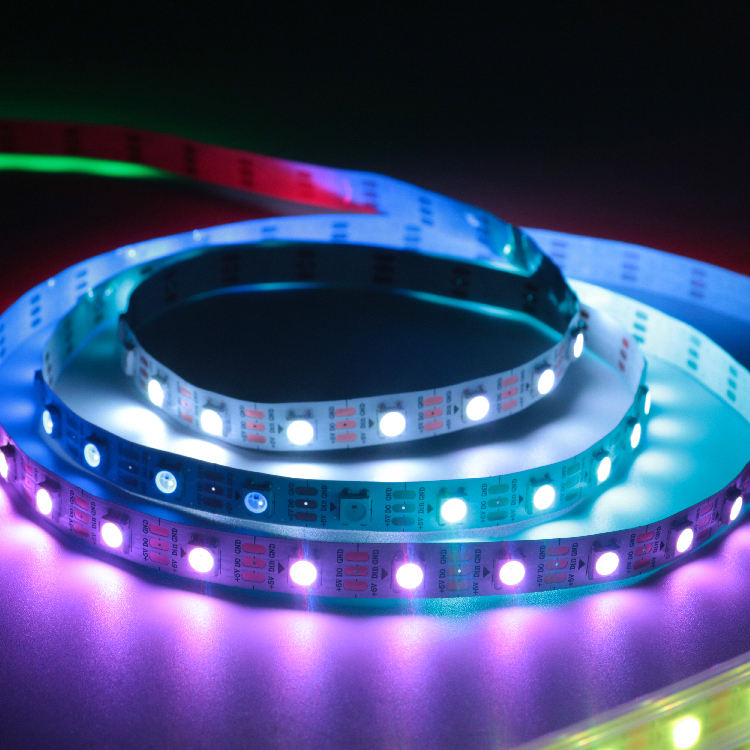
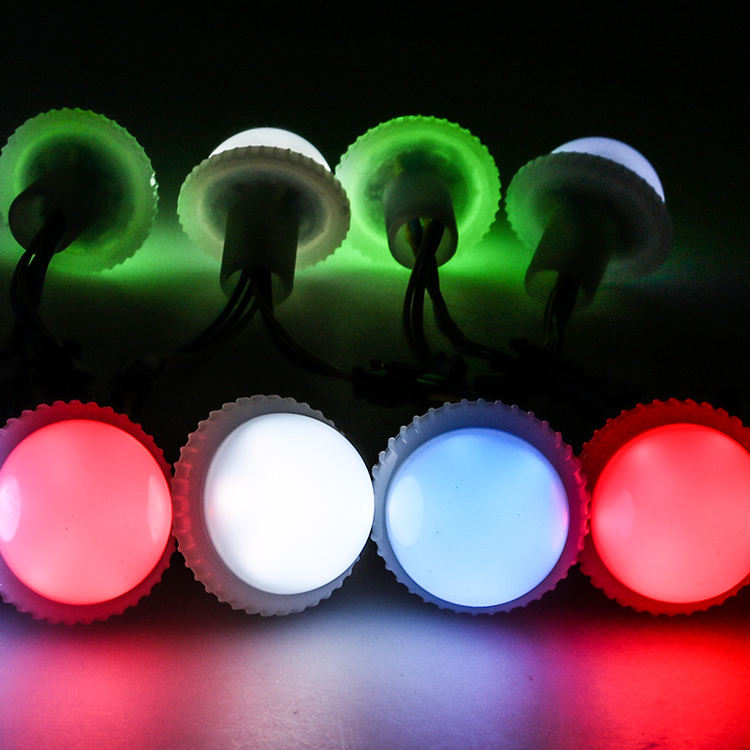
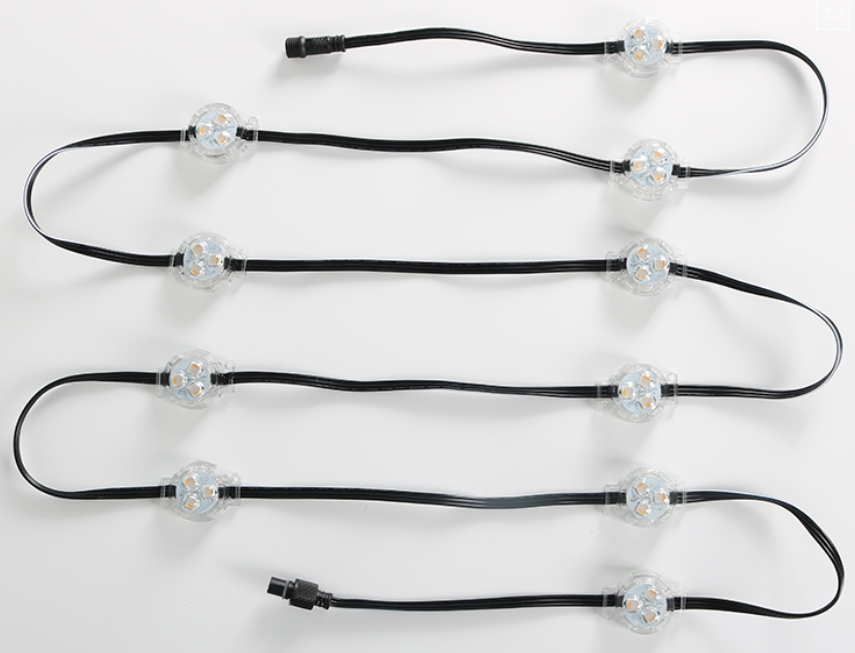
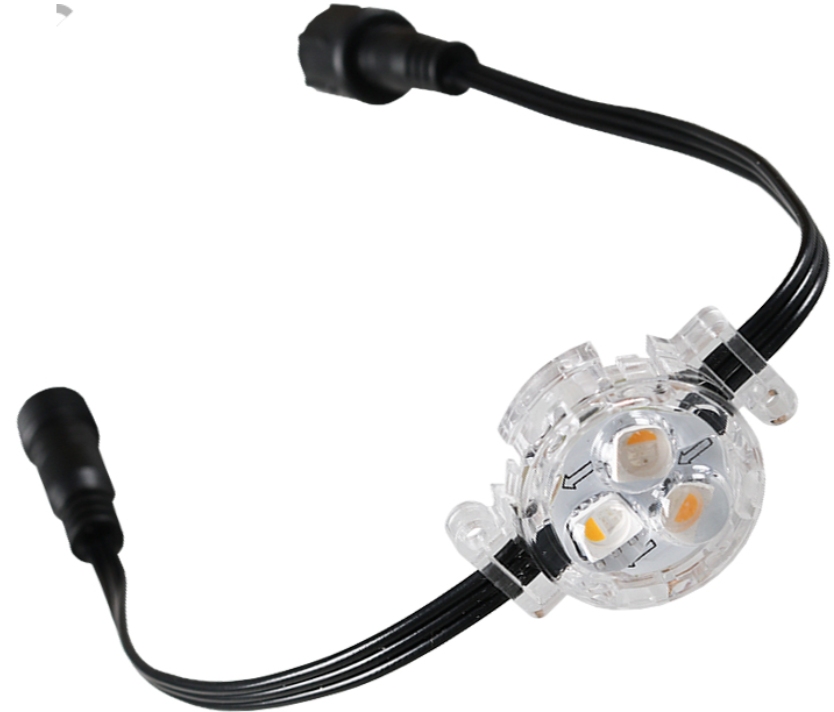
Shenzhen Shiji Lighting Co., Ltd. that trades as Shiji Lighting best illustrates these virtues through its focus on LED light solutions. Some of the products it sells comprise LED strips, programmable LED bars, and digital pixel lights that highlight their focus on sustainability in terms of design.
Benefits of Incorporating Sustainability into Lighting Solutions
Embracing an eco approach, in lighting options comes with a multitude of advantages.
Environmental Protection: Reducing carbon emissions and conserving natural resources.
Cost Savings: Lower energy expenditure through efficient consumption of energy.
Better Performance: Modern sustainable light products are brighter and have a longer lifespan compared to traditional ones.
Regulatory Compliance: International standards of environmental stewardship.
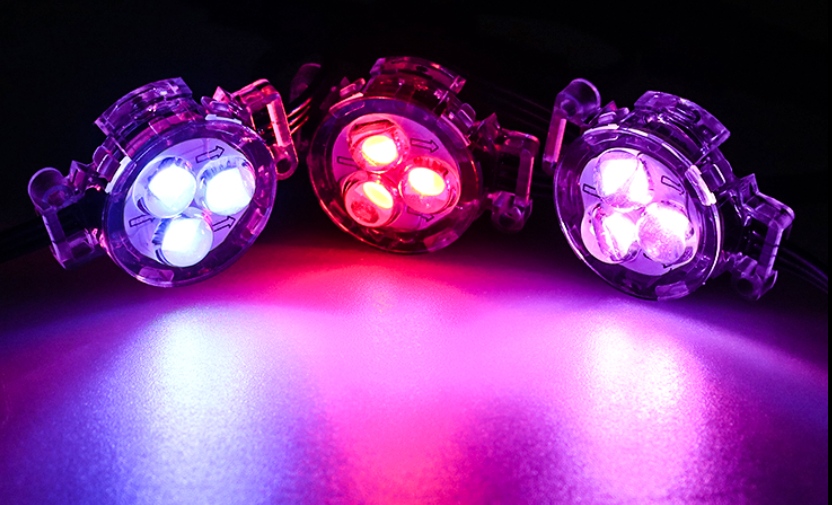
For example Shiji Lighting LED Pixel Lights and IP67 waterproof string lights are made energy saving and long lasting due to these advantages.
How Permanent Light Aligns with Sustainable Practices
Using the lighting solutions emphasizes the symbiotic integration of innovation and sustainability principles in action. Its emphasis on energy-efficient measures, use of environment-friendly materials, and longevity. An enduring and green option, facilitating a shift away from lighting arrangements.
Energy Efficiency and Reduced Consumption
Design sustainability largely relies on energy efficiency with lighting technologies like LED systems being the primary drivers in reducing power consumption versus traditional bulbs.
The GS8208 Pixel Strip features low-voltage input LEDs that can be addressed individually to reduce wastage of energy.
Products like the 24V RGB COB LED Strip yield high brightness with less wattage (14W/m), demonstrating that efficiency doesn’t require sacrificing performance.
Such innovations help minimize the amount of electricity used, leading to lower expenses and an advantage to the environment.
Use of Eco-Friendly Materials in Production
Friendly materials also serve to produce long-term lighting products upon manufacturing processes. The companies reduce environmental impacts through the use of biodegradable aspects in their construction. An example of the same would be:
The flexible PCB material used by the company in most of the Shiji Lighting products is designed to be tough but recyclable as well.
Waterproof ratings like IP65/IP67 offer ruggedness without environmentally hazardous coatings or chemicals.
These methods, in addition to helping achieve environmental targets, make the product more attractive to green consumers.
Longevity and Durability as a Sustainability Factor
Longevity helps cut down the frequency of replacements needed and consequently reduces waste generation and resource consumption well.Shiji Lighting offers durable lighting solutions designed for long term use.
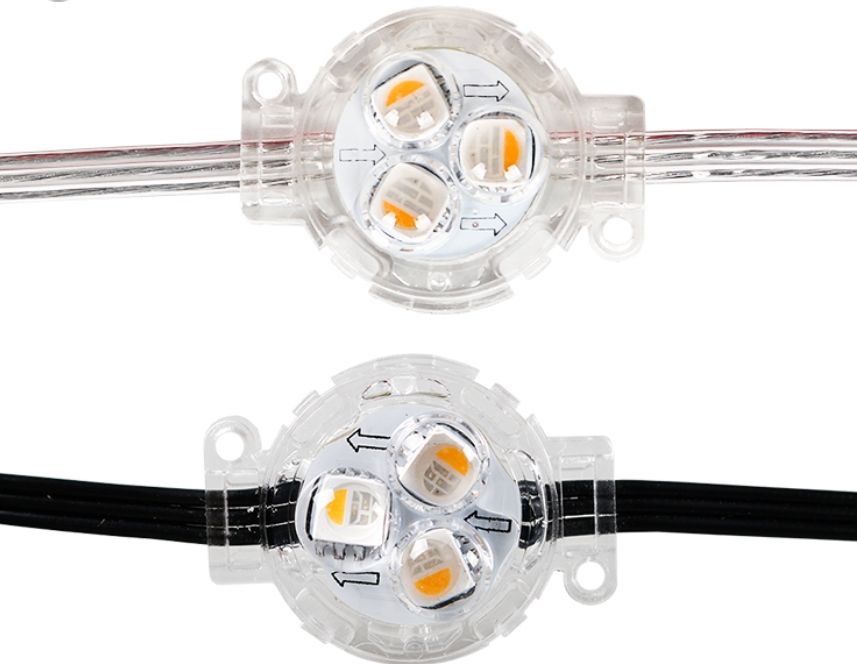
- The 60mm RGBW Pixel Light has a working lifetime of up to 50,000 hours, showcasing exceptional durability.
- High waterproof ratings (up to IP68) ensure resilience against harsh outdoor conditions, making them ideal for long-term use.
By focusing on longevity and reliability of just quick turnover cycles, like some products do, these items assist consumers in saving money and supporting environmental sustainability initiatives.
Innovations in Permanent Light for Sustainability
Advancements in technology have led to the development of long-lasting lighting options that contribute to promoting sustainability more effectively.
Integration of Renewable Energy Sources
Using energy in lighting systems is a big move towards sustainability. The current permanent lighting products may not directly use power/wind power, but they are ready for future changes by being compatible with grids that run on renewable energy sources.
Shiji Lighting programmable LED strips are crafted for use with voltage like DC12v or DC24v which makes them ideal, for combining with renewable energy systems.
Smart Lighting Technologies for Optimization
Intelligent technologies are essential for enhancing lighting systems to achieve efficiency.
- Many Shiji Lightingproducts support advanced control systems such as Bluetooth controllers, mobile apps, Wi-Fi control, and DMX decoders.
- Features like individual pixel control allow precise adjustments to brightness and color settings, reducing unnecessary energy usage.
Users can customize their lighting preferences in time using these advanced features, all while reducing unnecessary energy usage.
Shenzhen Shiji Lighting Co., Ltd. is dedicated to driving innovation and maintaining standards to support sustainable initiatives effectively with a diverse selection of customizable LED options that cater to clients’ individual needs while prioritizing sustainability objectives.
Feel free to reach out to the team at Shiji Lighting for any questions regarding their eco lighting options or if you need help with your custom lighting projects.
Challenges and Opportunities in Sustainable Lighting Design
Addressing Environmental Impact Concerns
Lighting designs also have a serious challenge when dealing with environmental issues directly. Lighting arrangements production and disposal are normally responsible for causing damage to the environment. Standard light sources like incandescent bulbs use power and produce large amounts of heat. Resulting in not just higher electricity bills but also in greater carbon emissions.
Shenzhen Shiji Lighting Co., Ltd.’s green lighting products emphasize longevity over repairs; a good example being their LED Pixel Lights and IP67 rated waterproof string lights that are energy efficient without sacrificing performance quality through the use of innovative technologies like low voltage input systems like DC12v or DC24v for reducing power consumption without reducing brightness and functionality, at optimal levels.
Among the key issues to resolve is the application of recyclable materials in common lighting installations. Most standard light sources contain elements such as mercury, which can be harmful to human health and the environment upon disposal. Permanent lighting solutions provide a solution for this problem by employing green materials that are recyclable or break down naturally. An example is Shiji Lighting PCB flexible material, which not only increases durability but also contributes to sustainability initiatives.
Waste minimization in the manufacturing process is one of the areas of concern in sustainable lighting design that aims to enhance the product life and lower the rate of replacements to minimize waste generation levels. Companies such as Shiji Lighting employ advanced manufacturing processes to achieve this effectively.
Opportunities for Growth in Sustainable Lighting Solutions
Despite facing these obstacles, there are plenty of chances for expansion in the realm of eco lighting design. An area ripe for growth involves incorporating technologies into fixed lighting setups. Today’s customers are more and more requesting lighting setups that offer remote control options through smartphone applications, Bluetooth gadgets Wi-Fi-enabled tools. The products offered by Shiji Lighting, including their LED strips and digital pixel lights, are compatible with these sophisticated control mechanisms, enabling users to efficiently manage energy consumption in real time.
The move towards using energy sources opens up a big chance for growth in the market sector. Although not all lasting lighting products currently use solar energy or wind power directly in their operation, their ability to work with grids powered by renewable sources makes them ready for future developments. An example of this is how many Shiji Lighting products can operate at voltage levels such as DC12V, making them a good fit for setups using renewable energy.
Personalization is crucial for the success of lighting solutions as it caters to the diverse requirements of consumers in various settings like homes and commercial spaces of all scales.Shiji Lighting provides a selection of customizable features such as addressable LED strips and RGBW pixel lights with different waterproof ratings (IP65/IP67/IP68) making them adaptable, to a wide range of environmental conditions.
Moreover adherance to worldwide environmental regulations is pushing forward advancements in eco lighting concepts. Businesses that focus on practices not only adhere to these rules but also boost their brand image among consumers who are environmentally aware.
FAQ
Q: Can “permanent light” be part of a smart home automation system?
A: Indeed! Permanent lighting options can seamlessly blend in with home automation setups nowadays. Numerous contemporary permanent light fixtures come with control functionalities like Bluetooth connectivity and integration, with mobile apps and Wi Fi capabilities. Take for instance the LED Pixel Lights by Shiji Lighting that offer a range of control systems enabling users to tweak brightness levels and colors or even craft lighting effects using their smart devices.
Homeowners can personalize their lighting settings to suit their preferences and save energy effectively with these functions in place. Moreover smart lighting systems commonly offer scheduling features and motion sensors to improve efficiency by activating lights when necessary.
Q: Are there legal requirements for permanent light installations in public spaces?
A: Certainly! Regulations exist that dictate the installation of lighting in public areas to uphold safety and environmental standards are met adequately and efficiently.
Shiji Lighting string lights with an IP67 rating are designed to withstand the elements and last for up to 50,000 hours outdoors – perfect for ensuring reliability and meeting environmental standards, in outdoor settings.
Businesses and organizations looking to set up public space installations should make sure to check regulations and opt, for products that follow these rules.
Q: Can “permanent light” fixtures be energy-efficient?
A: Installed light fixtures are built to save energy by using modern technology such as LED systems instead of older types, like incandescent or halogen bulbs that use more power and waste heat. LEDs use lower wattages but provide higher levels of brightness.
For example:
- The GS8208 Pixel Strip features individually addressable LEDs with minimal energy wastage.
- Products like the 24V RGB COB LED Strip achieve high luminosity at just 14W/m without compromising performance.
These new technologies not only cut down on the amount of electricity used. Also helps users save money on their overall operational expense in the long run.
Contact Us
If you need help with finding lighting solutions or custom projects that suit your needs perfectly don’t hesitate to contact the team at Shiji Lighting. Their deep knowledge of cutting edge LED technologies guarantees you’ll get advice, on choosing eco friendly products that last long and work efficiently.