LED Christmas Lights Technology Overview: RGB, RGBW, and Pixel-Controlled Systems
How RGB LED Christmas Lights Produce Color and Seasonal Effects
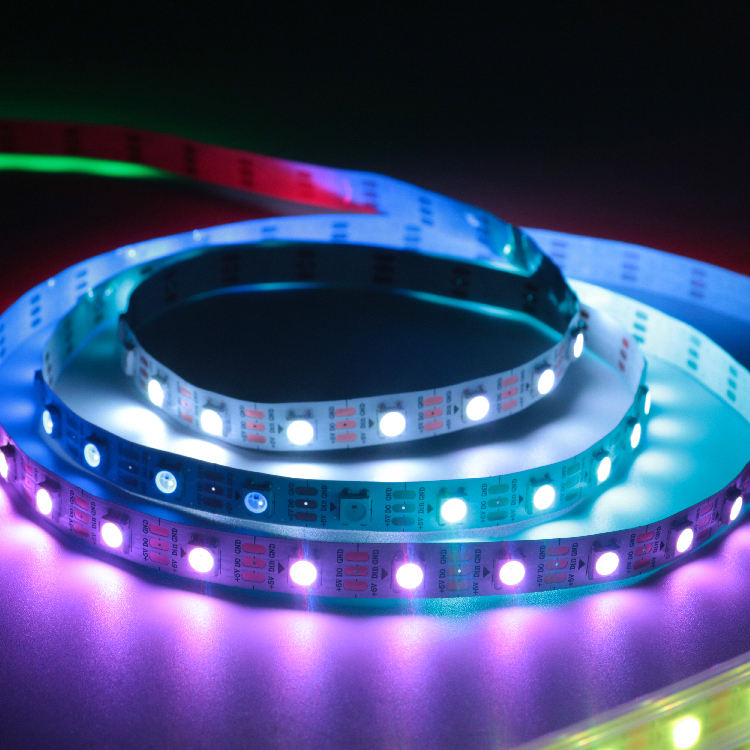
RGB LED Christmas lights generate color by blending red, green, and blue channels, allowing decorators to achieve vibrant seasonal effects with minimal programming. This structure keeps power consumption low and supports simple installations, making RGB a practical entry point for holiday lighting. The simplicity of RGB systems has made them a long-standing favorite for rooflines, trees, and window outlines.
Why RGBW LEDs Add a Dedicated White Channel for Better Holiday Lighting
RGBW LED Christmas lights enhance design flexibility by adding a dedicated white diode that produces cleaner and more accurate whites than RGB mixing. This improvement helps create warm, elegant holiday scenes where clarity matters. RGBW also reduces energy use when producing white light because the white channel operates more efficiently than blended RGB. As a result, RGBW strings work well for both residential ambience and commercial decorative themes.
What “Pixel-Controlled” Christmas Lights Mean in Modern Decorative Installations
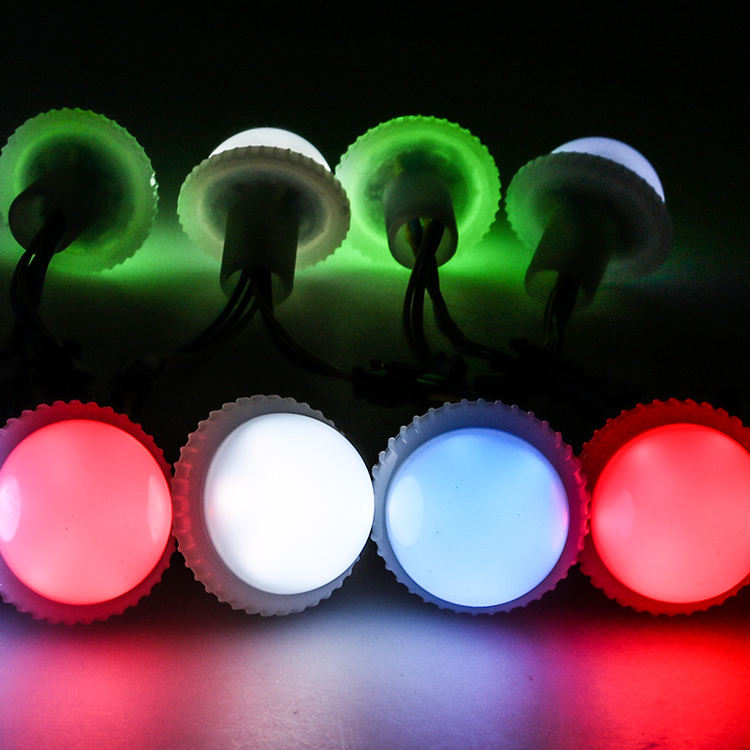
Pixel-controlled LED Christmas lights transform traditional displays by assigning each LED an individual IC. This allows chasing effects, gradients, and programmable animation patterns that would be impossible with traditional RGB strings. Although pixel systems require more planning and power management, their visual impact and energy-efficient performance make them the preferred choice for high-end installations.
Addressable IC Chips (WS2811, SK6812, GS8208) and Data Signal Behavior
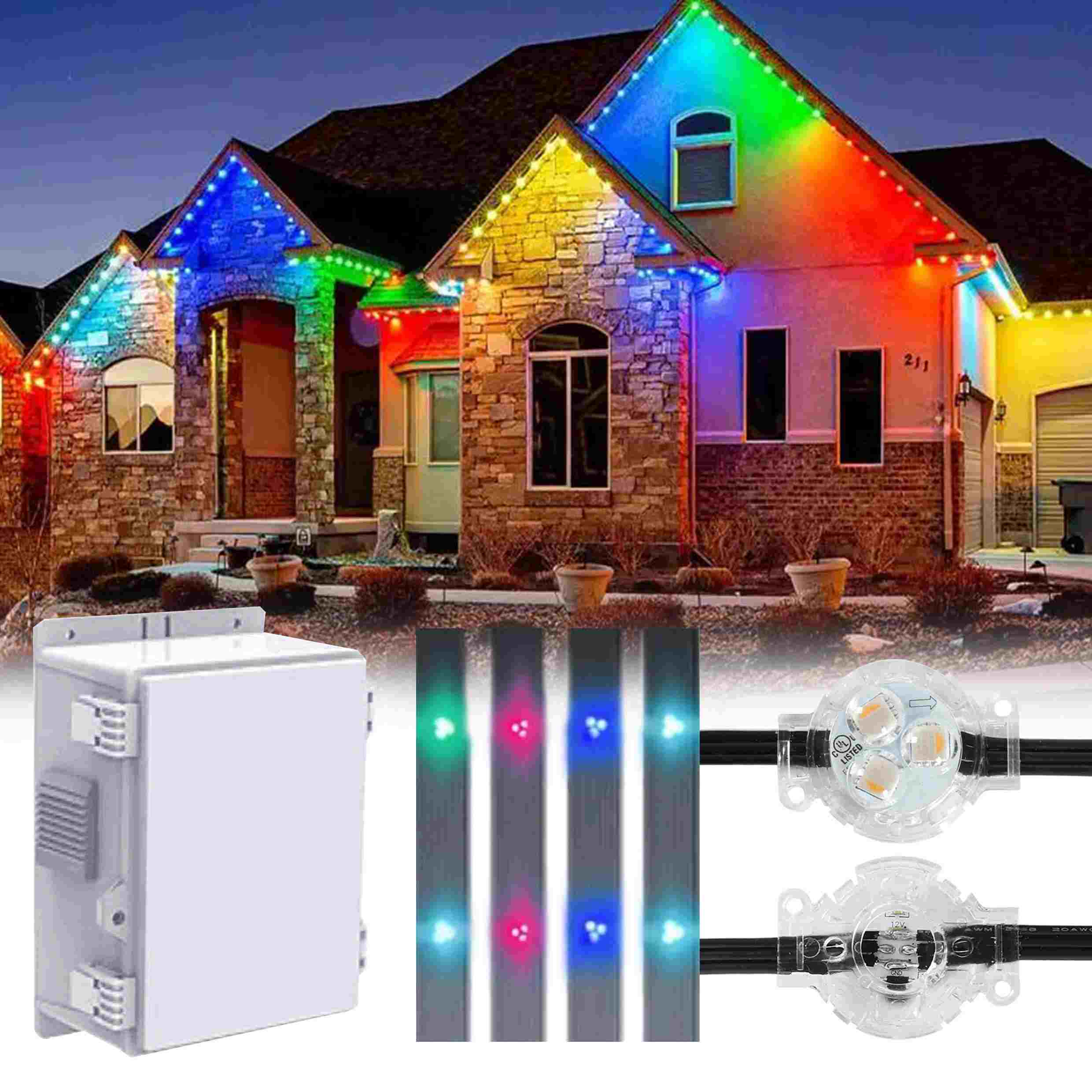
Addressable chips like WS2811, SK6812, and GS8208 set data steadiness and effect flow. GS8208’s dual-signal setup boosts dependability. It keeps data moving even if one pixel stops.
Differences Between Single-Color, Multicolor, and Individually Addressable Outputs
Single-color lights bring ease. Multicolor LEDs add range. Individually addressable pixels give movie-like control. This makes them the most flexible pick for tricky holiday events.
Comparing RGB vs RGBW vs Pixel-Controlled LED Christmas Lights
Brightness, Color Accuracy, and Visual Performance Differences
Brightness and visual accuracy differ across LED types. RGB creates bold colors but struggles with true white tones, while RGBW improves overall balance by producing neutral whites. Pixel-controlled LEDs allow independent brightness adjustments for each LED, enabling smoother gradients and highly refined animations suitable for commercial-grade displays.
Energy Efficiency and Power Distribution Across RGB, RGBW, and Pixel Strings
All three lighting types prioritize low energy consumption, but RGBW and pixel strings distribute power more efficiently. Producing white with RGBW consumes less energy than blending RGB, and pixel-controlled systems reduce unnecessary power usage by driving only the LEDs involved in an effect.
Installation Complexity: Traditional RGB Wiring vs Individually Addressable Pixel Systems
Installation difficulty increases from RGB to RGBW to pixel-controlled designs. RGB strings require basic wiring, while RGBW adds one more channel. Pixel installations require attention to data direction, voltage drop, and controller compatibility. Despite the added complexity, pixel systems offer the highest creative value.
Best Use Cases for Each Type: Rooflines, Trees, Facades, Commercial Displays
RGB suits simple outlines and color-changing accents. RGBW works best for warm-white holiday décor with color flexibility. Pixel-controlled LEDs excel in animated displays such as building facades, synchronized shows, and large public installations.
How Pixel-Controlled LED Christmas Lights Work in Real Installations
The Role of IC Protocols (SPI, DMX512, GS8208 Dual-Signal Safety) in Large Displays
SPI and DMX512 protocols guide how data travels through pixel systems. SPI fits shorter decorative runs, while DMX512 is used for long-distance, professional installations. GS8208’s dual-signal structure provides redundancy, reducing maintenance and ensuring uninterrupted operation in harsh weather.
Understanding Voltage Options: 5V, 12V, 24V for Long-Run Christmas Lighting
Voltage impacts how far power can travel before brightness drops.
- 5V offers precision but shorter wiring distances.
- 12V minimizes voltage drop and suits most outdoor decorations.
- 24V supports long, commercial installations with fewer power injections.
Selecting the right voltage helps balance safety, efficiency, and brightness consistency.
Controller Compatibility: SD Controllers, ArtNet, Bluetooth, and Mobile App Systems
Controller selection determines the user experience. Bluetooth controllers are simple for residential displays, SD controllers support offline programming, and Artnet suits advanced lighting shows. This flexibility ensures pixel systems can scale from small homes to complex installations.
How Data Flow Determines Animation Smoothness and Failure Recovery
Smooth pixel animation depends on stable data transfer. Poor wiring or excessive distance can distort color patterns, while robust IC platforms like GS8208 help prevent failures by supporting continuous data flow.
Waterproof Ratings for Outdoor Christmas Projects (IP65, IP67, IP68)
Outdoor holiday lighting must withstand snow and rain. IP67 and IP68 ratings offer strong protection, improving durability through winter seasons.
Selecting the Right LED Christmas Light Type Based on Project Requirements
Choosing RGB Lights for Simple Color-Changing Holiday Decorations
RGB lights stay the easiest and cheapest choice for homeowners. They seek basic color shifts without hard controllers. Their low power draw and simple setup make them right for fast seasonal jobs.
Choosing RGBW Strings for Warm White + Color Holiday Ambience
RGBW lights mix fine white shades with fun color picks. This sets RGBW as perfect for graceful holiday styles. In these, warm white needs to look real, not shaded.
Choosing Pixel-Controlled LEDs for Commercial-Grade Shows and Dynamic Animations
Pixel-controlled LED Christmas lights give full creative room. Designers can make deep displays with movement, fades, and timed lines. These systems fit best for big homes, public spots, and business places.
Technical Criteria: IC Type, Pixel Pitch, LED Size (5050/3535), Beam Angle, and Waterproofing
Selecting LED Christmas lights requires evaluating IC stability, LED brightness, pixel spacing, durability, and beam angle. Larger 5050 LEDs offer higher brightness for outdoor visibility, while compact 3535 LEDs benefit more intricate designs.
When to Prefer GS8208 Dual-Signal Pixel Products for Reliability
GS8208-based pixels offer superior reliability by maintaining data transmission after single-pixel failures, making them ideal for long outdoor runs.
When COB or High-Density Strips Are Suitable for Indoor Holiday Effects
COB LED Strips make smooth light without clear spots. They fit indoor decor like windows, rails, and Christmas setups.
SHIJILIGHTING Solutions for RGB, RGBW, and Pixel-Controlled Christmas Lighting
SHIJILIGHTING Expertise in Digital LED Pixel Technology and IC Platforms
At SHIJILIGHTING, we work on making useful, tough, and strong digital LED systems. We use IC platforms such as WS2811, SK6812, and GS8208. Our products handle steady data passing and long outdoor work. They come with a 2-year warranty.
Key Christmas Lighting Products
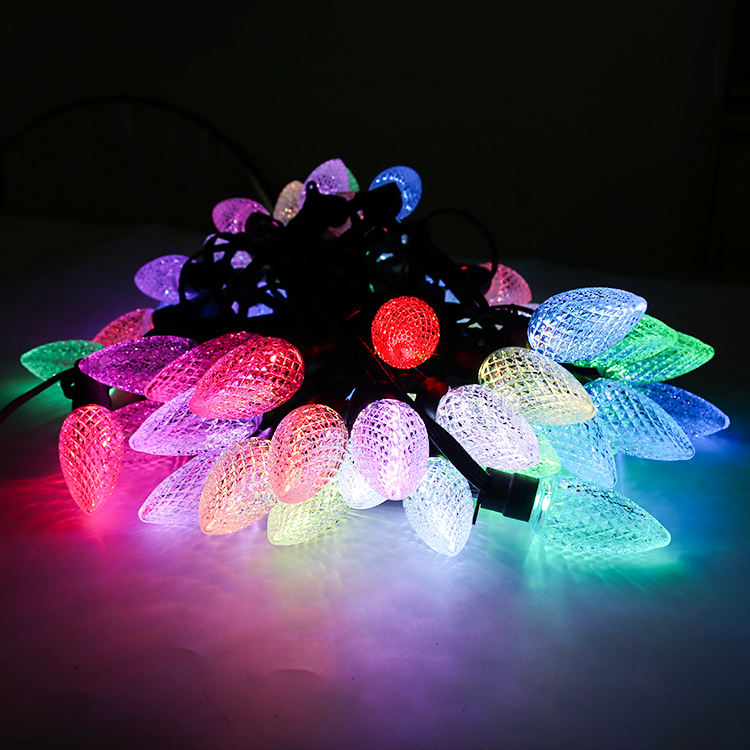
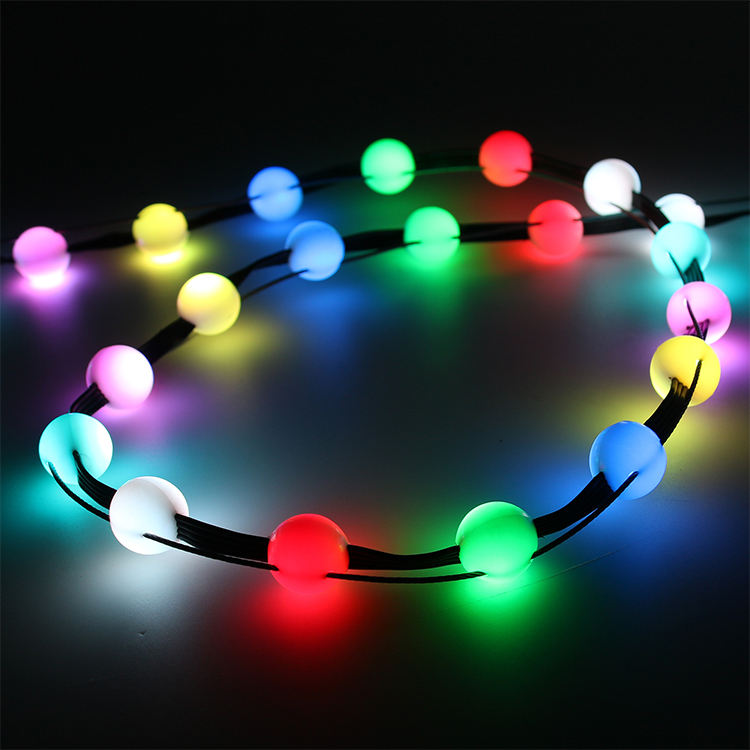
Our G40 40mm Christmas Light RGB SK9822 GS8208 IP67 5V 12V Led Pixel String Lighting gives strong light and even color for holiday rooflines.
Our 30mm UCS2904 RGBW Pixel Light offers pure white shades and full colors for top decor.
Our WS2811/WS2815 Pixel Point Lights bring single control movement effects for pro displays.
Each product aims for good power use and solid outdoor work.
Advantages of SHIJILIGHTING Pixel Systems
We optimize pixel performance using durable IP67 housings, energy-efficient 5050 LEDs, and dual-signal IC structures that safeguard installations against data loss. These features reduce maintenance and increase display stability.
Customizable Christmas Solutions: Pixel Spacing, Voltage Options, Connectors, and Control Systems
We provide open customization choices. These cover spacing, voltage setups, and controller match. This lets users build displays that fit their tech needs and creative aims.
FAQ: LED Christmas Lights, RGB vs RGBW, and Pixel-Controlled Systems
Q: Which LED Christmas lights offer the most vibrant visual effects?
A: Pixel-controlled lights offer the most advanced effects because each LED can be programmed individually. SHIJILIGHTING systems such as the G40 40mm RGB Pixel String and WS2811/WS2815 Pixel Point Lights support high-quality animations.
Q: How to choose between RGB, RGBW, and pixel-controlled LED Christmas lights?
A: RGB suits simple decorations, RGBW fits applications needing true white tones, and pixel-controlled lights provide dynamic animations. SHIJILIGHTING offers all three types with stable IC performance.
Q: Are pixel-controlled LED Christmas lights harder to install?
A: Pixel systems require attention to data direction and voltage drop, but they provide unmatched flexibility. SHIJILIGHTING’s GS8208-based designs help reduce troubleshooting through dual-signal redundancy.
Q: Do RGBW LED Christmas lights save more energy than RGB?
A: RGBW is typically more energy-efficient when producing white light because the dedicated white diode consumes less power. SHIJILIGHTING uses high-efficiency 5050 LEDs to maximize savings.
Q: What should be considered when choosing outdoor LED Christmas lights?
A: Key factors include waterproof rating, voltage type, IC reliability, and brightness. SHIJILIGHTING’s outdoor pixel products, including the 30mm UCS2904 RGBW Pixel Light, are designed for stable winter performance with a 2-year warranty.