LED Christmas Lights Efficiency: Why Performance Differs Across Products
How LED Technology Reduces Energy Consumption in Holiday Lighting
LED Christmas Lights reduce energy consumption because LED diodes convert significantly more electrical power into visible illumination with minimal heat loss. This inherent efficiency allows large-scale holiday installations to operate at lower wattage while maintaining vivid brightness across long operating hours. Compared with incandescent alternatives, LEDs require far less current to achieve comparable luminance, which directly reduces operating costs for commercial decorators. Energy savings become even more substantial when using addressable LED systems that optimize output through precise digital control.
The Impact of Heat Control and Driver IC Stability on Energy Efficiency
Heat control plays a big part in boosting energy savings for LED Christmas Lights. Extra heat makes LEDs strain more. It also wears them out quicker. Today’s pixel lights use steady ICs like WS2811 or GS8208. These keep even performance during long outdoor runs. The ICs manage current flow and signal quality. This cuts energy loss from voltage changes. When heat stays in check with good housing and low-heat parts, power use stays even and low.
Why High-Efficiency LEDs Deliver Stronger Brightness With Lower Power Use
High-efficiency LED Christmas Lights give brighter light on less power. This comes from better LED chips that make more lumens per watt. The benefit shows up in business setups that need even light over far areas. These LEDs also lose less brightness over time. So, the light stays steady all season. Such features let decorators make eye-catching designs. They do this without extra strain on power systems.
LED Christmas Lights Lifespan: Core Factors Influencing Long-Term Durability
LED Chip Quality, IC Type, and Electrical Stability (WS2811 / GS8208 / SK6812)
LED Christmas Lights last longer with solid chips and steady ICs like WS2811, GS8208, and SK6812. These digital ICs send data reliably. They also control current output. This avoids electrical strain that cuts LED life short. For instance, GS8208 items have backup signals. So, the string keeps going if one pixel stops. Better electrical steadiness means less upkeep cost. It also allows longer use periods for lighting pros.
Waterproof Protection Levels (IP65 / IP67 / IP68) for Outdoor Reliability
Waterproof ratings significantly influence the lifespan of LED Christmas Lights because outdoor conditions introduce moisture, dust, and temperature fluctuations. Products rated IP65 are suitable for basic outdoor exposure, while IP67 and IP68 versions offer enhanced protection for heavy rain or snow environments. Proper sealing methods—such as silicone filling or epoxy encapsulation—prevent corrosion and internal short circuits. For large commercial displays, decorators typically choose IP67+ to ensure stable operation throughout the holiday season.
Voltage Management, Signal Integrity, and Their Role in Extending Lifespan
Voltage management helps stretch the working life of LED Christmas Lights. Overvoltage and drops both stress LED chips. Long strings need spread-out power feeds. This keeps the light even at every spot. Signal quality matters more in long pixel lines. Without it, LEDs might blink, show wrong colors, or quit early. Quality wire, good connectors, and steady power sources make sure each pixel gets clean data and even voltage. This protects lifespan.
Selecting LED Christmas Lights for Different Display Requirements
Choosing Pixel Strings, G40 Bulbs, COB RGB Strips, or 3D Ball Lights for Various Applications
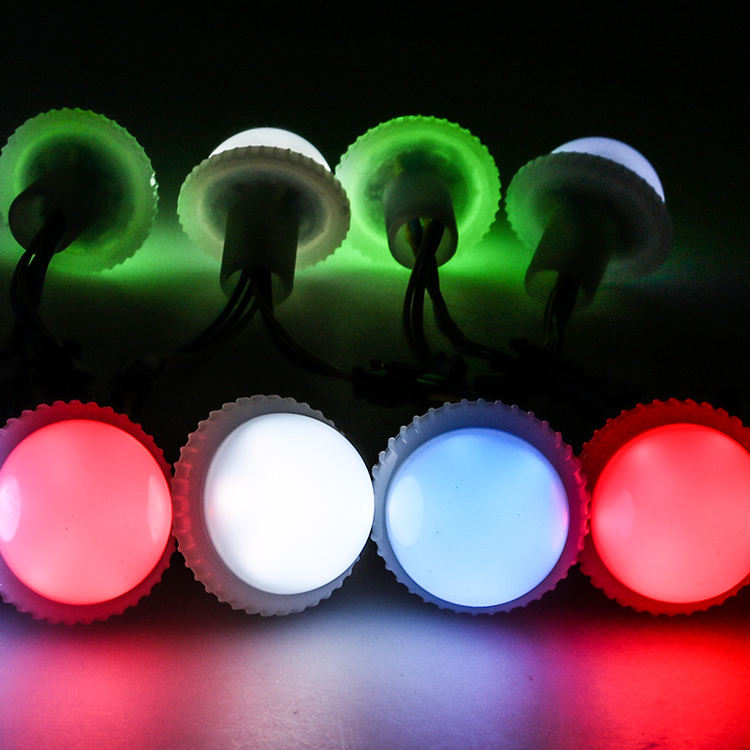
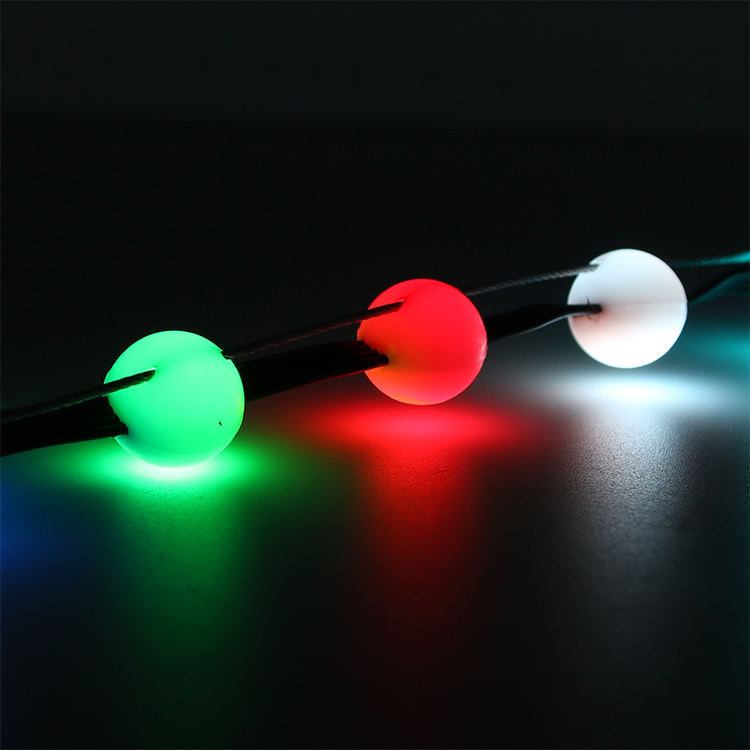
Selecting LED Christmas Lights requires understanding the display environment and visual objective. Pixel strings allow dynamic animations and are ideal for programmable displays. G40 bulbs deliver classic holiday aesthetics with RGB color capability for vibrant effects. COB RGB strips provide uniform lighting suitable for outlining structures or creating linear accents. Meanwhile, 3D ball lights offer sphere-style illumination for immersive installations. Each type varies in brightness, viewing angle, and installation method, making product choice essential for achieving the intended display effect.
Evaluating Pixel Density, Color Accuracy, and Control Protocols (SPI / DMX / Artnet)
Pixel density shapes how smooth animations look in LED Christmas Lights setups. More pixels allow finer details. Fewer pixels suit basic decor. Color truth depends on LED sorting and IC control. Protocols like SPI, DMX, or Artnet set how complex animations can be. They also handle timing. For big business or building projects, DMX and Artnet offer live control and detailed scene setups.
How Energy-Efficient LED Systems Lower Operational Costs for Commercial Projects
Energy-saving LED Christmas Lights trim running costs. They use less electricity and need fewer part swaps. High-efficiency LEDs keep light strong on low power. This lets pros set up longer lines without circuit overload. In business spots, power savings affect the full budget. Big displays run for long stretches. Pairing with steady ICs and water-tight builds, these systems bring lasting money gains.
Maintenance Practices That Improve LED Christmas Lights’ Efficiency and Lifespan
Seasonal Cleaning, Waterproof Checks, and Proper Storage for Long-Term Use
Yearly care boosts LED Christmas Lights’ performance. It clears dirt, bits, and water that block light. Wiping lenses keeps the maximum brightness. Checking seals stops water from getting into pixel cases. Off-season storage in cool, dry spots without tangles eases wire and connector strain. These steps guard the product’s condition. They also lengthen the system’s working life.
Troubleshooting Flicker, Dimming, and Data Transmission Issues in Pixel Systems
Fixing early flickers, fading, or data glitches stops bigger breakdowns in LED Christmas Lights. Fading often means voltage loss. Flickers point to shaky signals or loose links. Data problems come from cables that are too long without boosters. Quick fixes lower the chances of pixel burnout or full system failure.
Avoiding Overload, Preventing Voltage Drop, and Ensuring Stable Power Delivery
Stable power delivery is critical for LED Christmas Lights’ performance because overloaded circuits and voltage drop damage LEDs over time. Using appropriately rated power supplies, distributing power injection points, and choosing thicker-gauge wiring help maintain consistent voltage. These strategies also ensure brighter and more uniform illumination across large installations. Proper planning before installation ensures long-term system reliability.
SHIJILIGHTING LED Christmas Lights: High-Efficiency Lighting Solutions for Long Lifespan
How SHIJILIGHTING’s LED Technologies Improve Energy Efficiency and System Stability
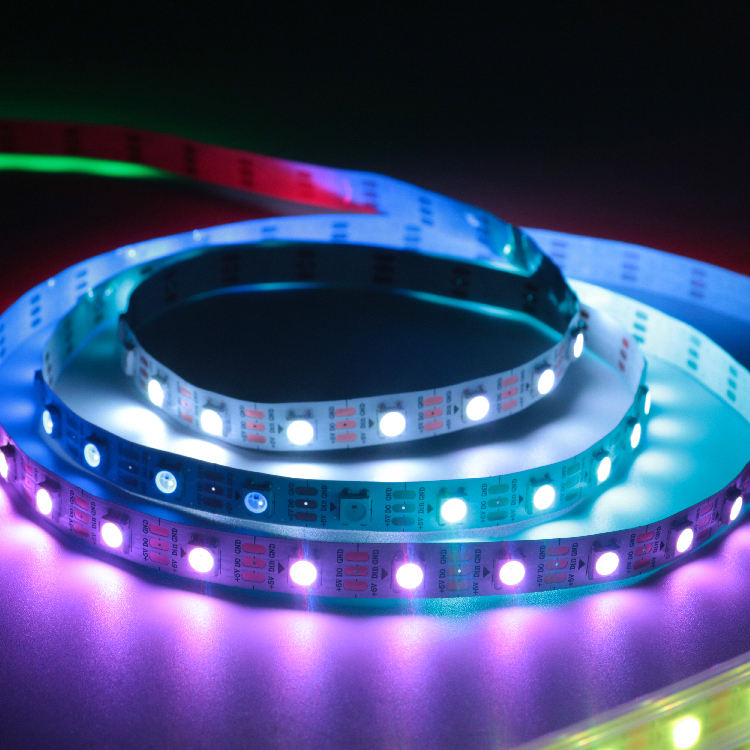
SHIJILIGHTING LED Christmas Lights boost energy savings. They use top LED chips and steady ICs to cut power loss in use. Our GS8208 pixel lights, like the 12V GS8208 Pixel 60Leds Full Color Changing SMD5050 12mm Addressable Led Light Strip, have backup signals. This keeps light even in tough outdoor spots. We design low-heat LED packs and smart circuit paths. So, each product runs with little waste over long show times.
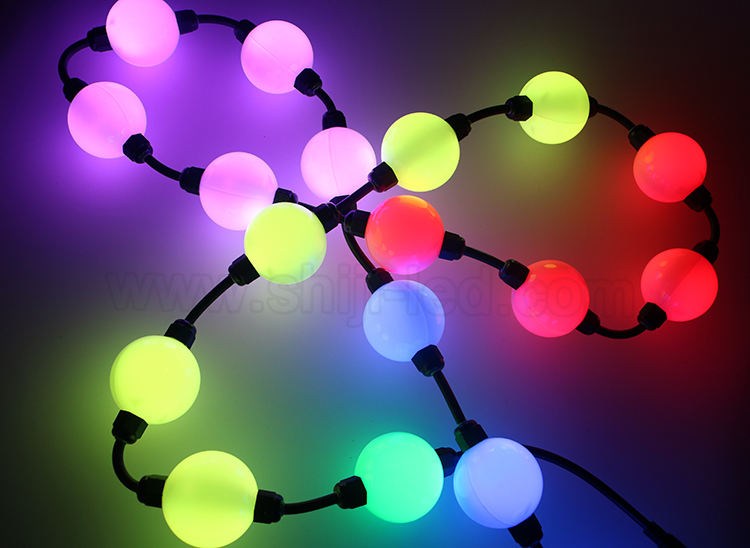
Key Products for Holiday Displays: G40 Pixel Strings, WS2811/WS2815 LED Points, RGB COB Strips
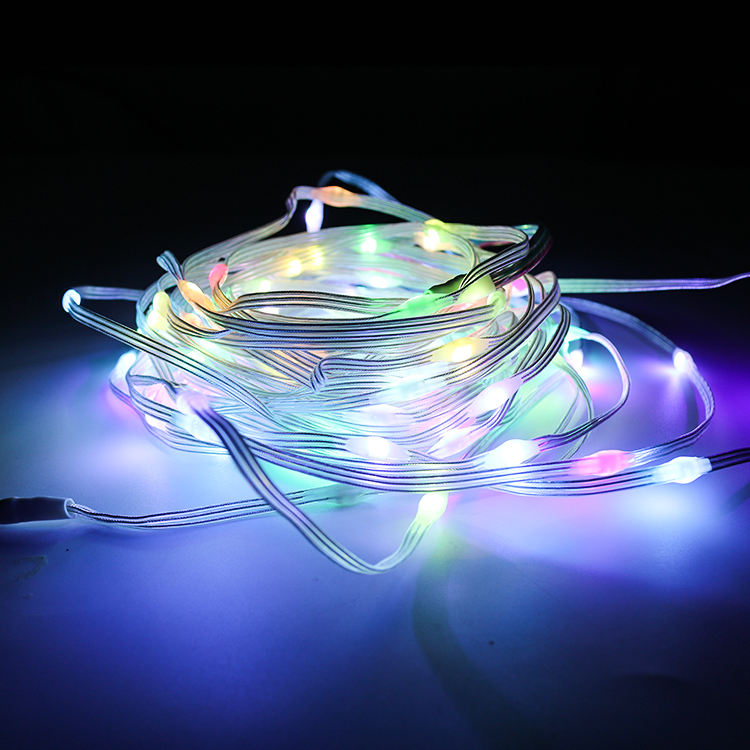
SHIJILIGHTING has several strong products for holiday setups. These include the G40 Pixel String with IP67 guard for outdoor weather. WS2811 and WS2815 LED Point Lights handle moving pixel control. RGB COB Strips make even light highlights. Each uses tough materials and steady ICs. This ensures solid work in big decor jobs. All SHIJILIGHTING Christmas lighting products come with a 2-year warranty to guarantee long-term performance.
Manufacturing Advantages: Waterproof Engineering, Signal Redundancy, and Quality Assurance
SHIJILIGHTING holds firm to its standards. We use strong waterproof methods, exact signal engineering, and tight quality checks. Our LED Christmas Lights suit long outdoor runs. They feature better connector strength, solid epoxy or silicone seals, and even power across light parts. These built qualities lead to longer life and less upkeep for professional lighting work.
FAQ
Q: What factors determine the efficiency of LED Christmas Lights?
A: LED Christmas Lights’ efficiency is determined by LED chip quality, IC stability, waterproof rating, and heat management. SHIJILIGHTING products such as the GS8208-based G40 Pixel Strings deliver strong brightness with low wattage because they use high-efficiency chips and stable dual-signal ICs.
Q: How to choose LED Christmas Lights for large outdoor displays?
A: Choosing LED Christmas Lights for large outdoor displays requires checking waterproof ratings, IC type, and installation distance. SHIJILIGHTING recommends WS2815 LED Point Lights or IP67 G40 Pixel Strings for outdoor reliability because they maintain stable brightness across long runs.
Q: What are the differences between LED Christmas Lights and incandescent holiday lights?
A: LED Christmas Lights consume far less energy, last significantly longer, and generate minimal heat compared with incandescent lights. SHIJILIGHTING’s high-efficiency LED systems enhance durability through engineered waterproofing and controlled power delivery.
Q: Which LED Christmas Lights products offer the best long-term value?
A: LED Christmas Lights with stable ICs, strong waterproofing, and high-efficiency chips offer the best long-term value. SHIJILIGHTING’s RGB COB Strips and GS8208 pixel lights provide strong performance with a 2-year warranty, making them suitable for commercial projects.
Q: How to maintain LED Christmas Lights to extend lifespan?
A: Maintaining LED Christmas Lights requires seasonal cleaning, dry storage, and checking for loose connectors or voltage irregularities. Using high-quality products like SHIJILIGHTING’s WS2811 point lights reduces the risk of failure and keeps installations operating reliably.