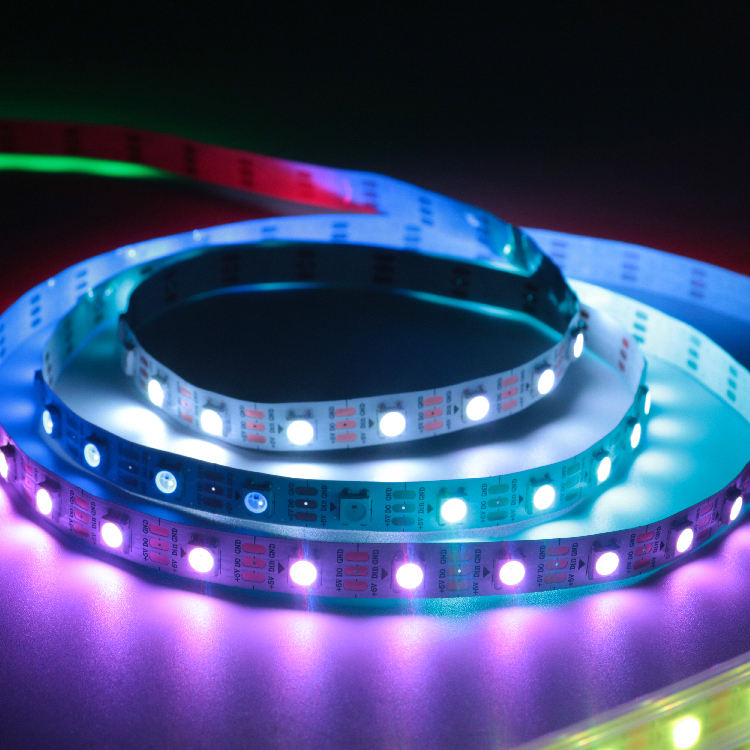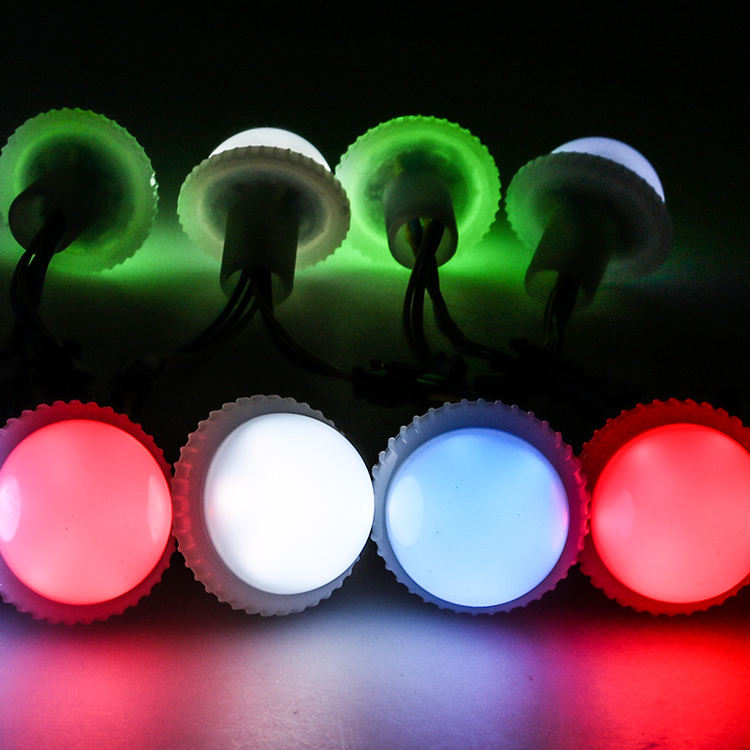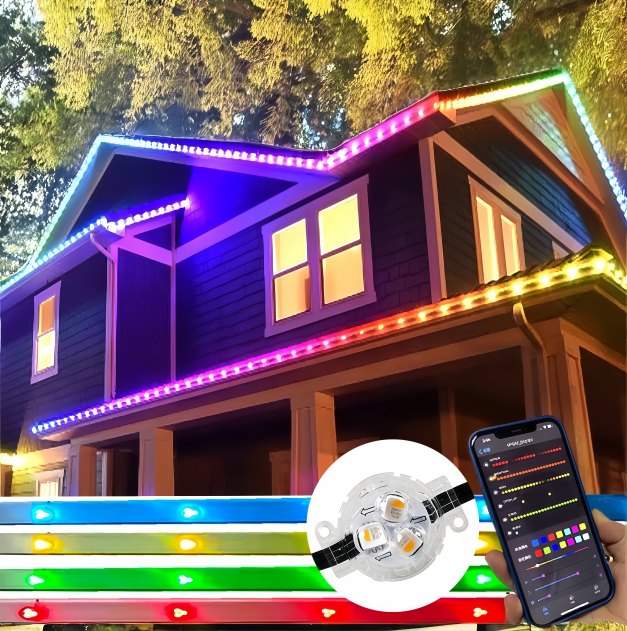
Custom outdoor lighting rarely fails because a catalog photo looked wrong. It fails when pixel spacing, waterproof details, voltage planning, control logic, and installation access were not checked early enough. A good LED Point Light supplier should help turn a facade, roofline, park ride, or landscape feature into a buildable system before a purchase order is placed. Use this checklist to ask sharper questions, compare answers fairly, and reduce field changes after the first shipment arrives.
Start with the Installation Brief Before Comparing Suppliers
Define the Outdoor Scene, Viewing Distance, and Visual Effect
Begin with the jobsite, not the product list. Record whether the lights will outline a roof, wash a building edge, form a pixel matrix, follow a sign, or create an amusement feature. Then define the viewing distance, color effect, operating hours, and whether each point must be individually addressable. A supplier that understands custom outdoor installations should ask for drawings, photos, mounting surfaces, exposure conditions, and the target visual rhythm before quoting.
SHIJILIGHTING is relevant to this kind of review because its product range covers addressable LED pixel light, LED strip light, LED neon flex, 3D LED tube light, LED decorative module, DMX linear light, and supporting LED controllers. For buyers, that breadth matters only when the supplier can connect the correct product family to the actual installation task.
Its background information also describes self-owned production capacity for LED pixel lights, strips, neon lights, and tube lights, with manufacturing steps from raw material processing to finished product assembly.
Translate Drawings into Pixel Quantity, Spacing, and Zones
Ask the supplier to convert drawings into pixel counts, spacing, wire lengths, controller zones, and replacement sections. For example, the SMD5050 Digital LED Pixel Light 12V 30mm UCS2904 Light String Pixel gives a concrete reference point for discussing 30 mm pixels, RGBW output, 12 V operation, and string-based layouts. The quote should show how many pixels are in each run, where power injection is needed, and how labels will match the installation map.
Check Outdoor Durability and Electrical Fit
Verify IP Rating, Materials, UV Resistance, and Temperature Range
Outdoor LED Point Light projects need more than a waterproof claim. Request the IP rating, lens material, cable jacket, sealing method, UV resistance, and working temperature range. For rooflines, building edges, and amusement environments, also ask how the product handles rain splash, wind-driven water, heat buildup, and repeated seasonal exposure. IP67 may be enough for some protected locations; IP68 or full silicone encapsulation may be preferred where water exposure is heavier.
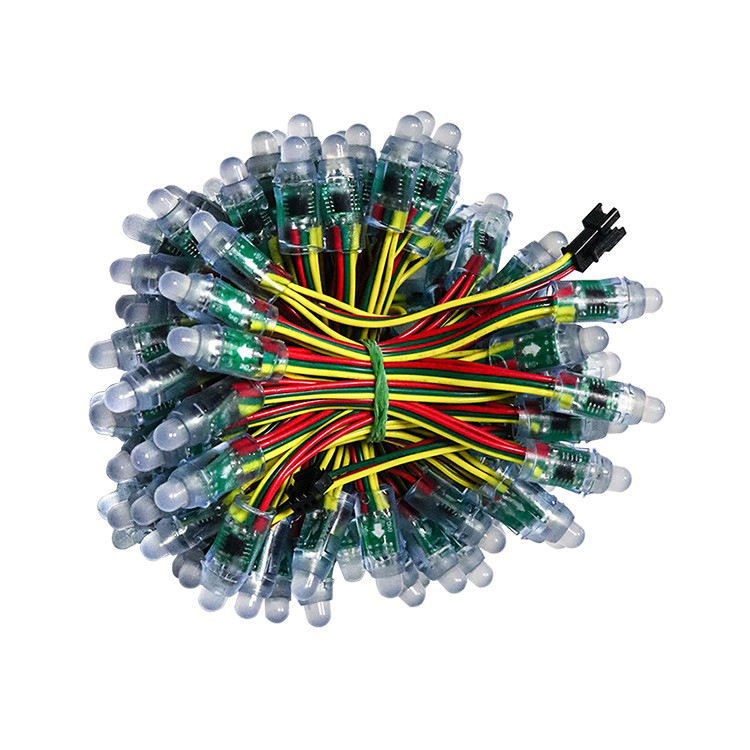
Match Voltage, Power Load, Connectors, and Cable Runs
Voltage is a design decision, not a small detail. A supplier should calculate current, voltage drop, cable gauge, connector loading, and power-supply capacity before production. Our engineering review should separate low-voltage decorative runs from longer facade zones, where 24 V or 48 V options may reduce voltage drop and simplify power distribution. Ask whether the connector system is waterproof, keyed against reverse connection, and serviceable after installation.
Review Custom LED Point Light Engineering Capability
Ask for Housing, Lens, Color, and Mounting Options
Custom outdoor installations often need a specific body size, lens style, wire length, shell color, spacing, track, clip, or label. The Customized IP67 12mm UCS1903 WS2811 Point Light DC5V 12V RGB LED Pixel Light is useful when a compact RGB pixel is needed for decorative outlines or dense layouts. Ask whether the supplier can adjust voltage, cable length, connector type, packaging, and product labeling without weakening sealing or traceability.
Confirm Control Protocols, Addressing, and Mapping Support
The supplier should explain whether the system uses SPI, DMX, or another control method, and how pixels will be addressed before shipment. Check controller capacity, refresh behavior, signal distance, data direction, and how the installation team will identify the first pixel in every run. If the project uses video effects, color chasing, or synchronized building zones, request a mapping file and a short factory test video before mass production.
Require Proof Before Mass Production
Test Samples Under Real Project Conditions
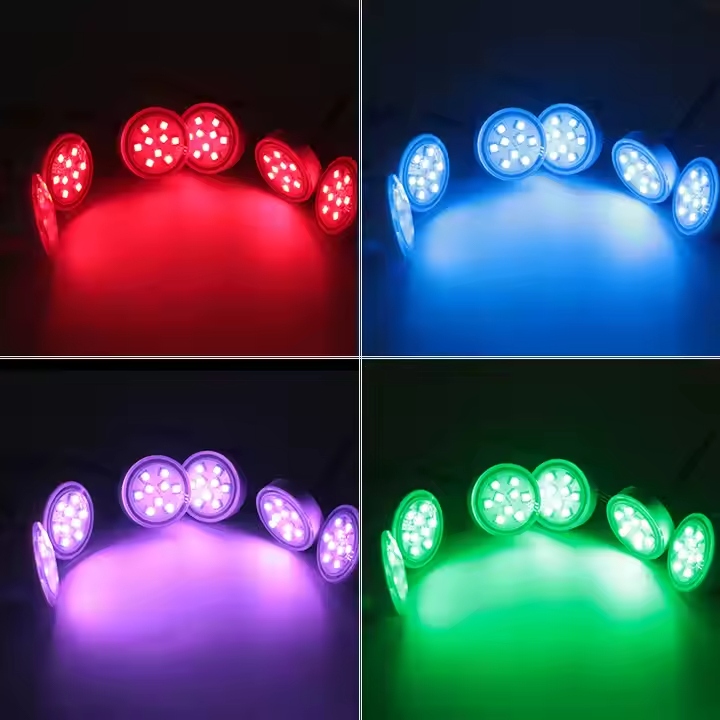
Samples should be tested with the same voltage, controller type, cable length, connector style, and mounting method expected on site. Do not approve only by brightness. Check color consistency, dimming, address order, waterproof sealing, and how the product looks at the actual viewing distance. The sample stage is also the right time to confirm whether spare pixels can be swapped without remapping a whole facade.
Review Certificates, Test Reports, and Production Consistency
A qualified supplier should provide certificates and test records that match the product being quoted. SHIJILIGHTING states that it has UL, CE, FCC, RoHS, and ISO9001 quality management system certificates, along with verified supplier audits. It also describes a full-process QC system covering incoming raw material inspection, semi-finished product testing, and finished aging tests before shipment. Those claims should be tied to the order files, sample approval, and production batch.
Evaluate Installation Support, Delivery, and After-Sales Risk
Confirm Documentation, Wiring Guidance, and Spare Parts
Before shipment, ask for wiring diagrams, pixel address tables, controller settings, power-supply layout, mounting guidance, and spare-part recommendations. The 30mm 12V Amusement Pixel Light Waterproof IP67 RGB RGBW LED Point Light Source shows why documentation matters: amusement and landscape projects usually need clear replacement sections, stable connectors, and predictable field maintenance. A supplier that can prepare these files reduces pressure on installers.
Clarify Warranty Scope, Response Time, and Change Control
Warranty terms should be practical, not vague. Confirm the warranty length, what is excluded, how failures are verified, who pays freight, and how replacement parts are matched to the original batch. SHIJILIGHTING lists a two-year warranty in its FAQ, while customized products may require more time than standard lead times. Ask how design changes are approved, how samples are frozen, and how the supplier prevents a late material change from reaching the jobsite unnoticed.
FAQ
Q: What should buyers ask an LED Point Light supplier before ordering?
A: Buyers should ask for project drawings review, pixel spacing, voltage planning, controller compatibility, waterproof rating, sample testing, certificates, wiring documents, lead time, spare parts, and warranty terms.
Q: How can an LED Point Light supplier support custom outdoor installations?
A: A capable supplier can review site conditions, recommend pixel size and voltage, customize wire length and mounting accessories, prepare mapping files, and test samples before mass production.
Q: Which IP rating is suitable for outdoor LED point lights?
A: The suitable rating depends on exposure. IP67 may fit protected outdoor areas, while heavier rain, ground splash, or long-term exposed installations may need stronger sealing such as IP68.
Q: Why does voltage matter when choosing LED point lights?
A: Voltage affects current, cable size, voltage drop, power-supply layout, and maximum run length. Longer outdoor runs often need careful planning before the supplier confirms the final configuration.
Q: How should samples be checked before custom LED point light production?
A: Samples should be tested with the planned controller, voltage, cable length, connector, mounting method, color effect, and waterproof expectation, then approved before the supplier starts batch production.