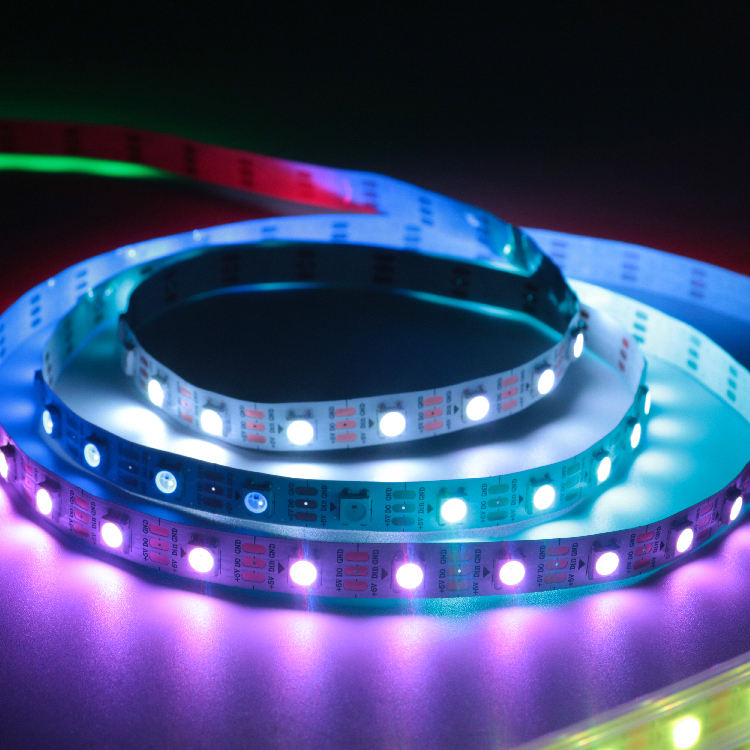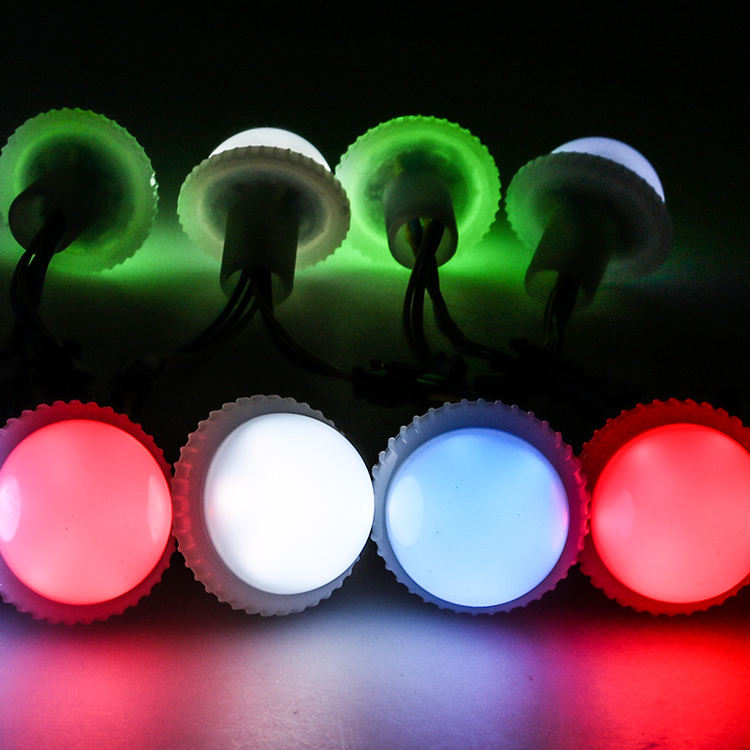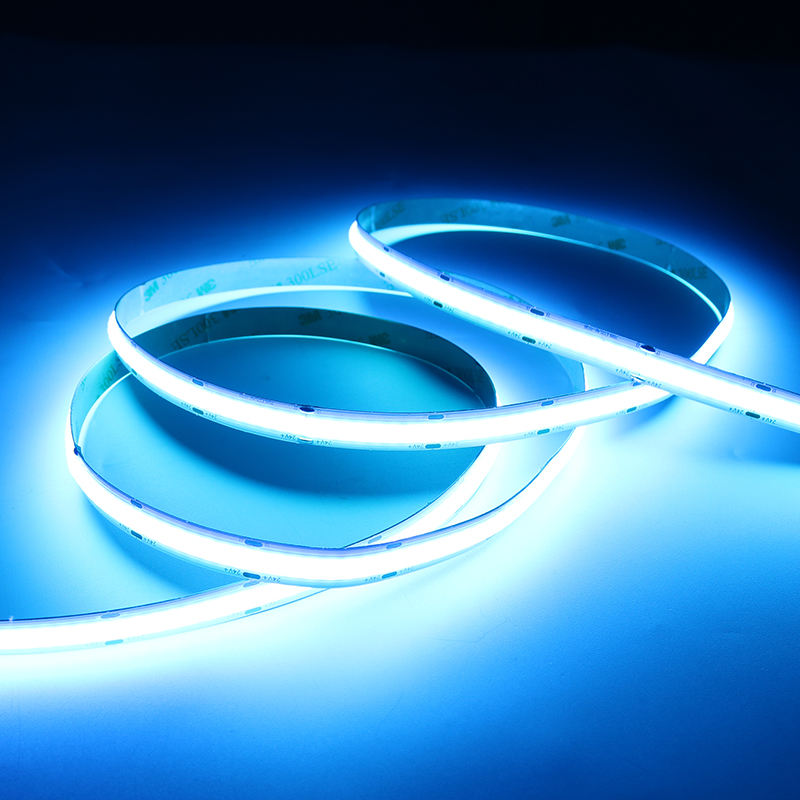
Two LED Strip products can look identical on a quotation but behave very differently after installation. One may keep a clean cove line; another may show dots, dim near the end, or fail at a connector. For contractors, procurement managers, and lighting integrators, commercial LED Strip selection should start with the project requirement, not the product catalog.
What Should Contractors Define Before Selecting an LED Strip?
What Lighting Job Does the LED Strip Need to Perform?
Define the job before comparing part numbers. Ambient lighting needs comfort, task lighting needs usable surface light, accent lighting needs a clean highlight, and retail lighting often needs stronger color rendering. Facades and dynamic effects add length, bend direction, control, and power-planning demands. This is how to choose LED Strip for commercial projects: choose the effect first.
Where and How Will the LED Strip Be Installed?
Confirm whether the run is indoor or outdoor, dry, damp, or exposed. A visible strip in a shallow profile needs different LED density and diffusion than a concealed cove. Founded in 2010, SHIJILIGHTING has 16 years of professional R&D, production, and export experience in digital LED lighting, and our selection work starts with the installation condition.
What Project Constraints Must Be Fixed Before Requesting Quotes?
A useful quote needs total run length, section lengths, cut points, power locations, control requirements, deadline, quantity, and repeat-order expectations. These details show whether standard rolls, custom lengths, waterproof versions, connectors, labels, or packaging are required.
Which LED Strip Type Fits the Commercial Application?
When Should Buyers Choose SMD, COB, RGB, RGBW, or Addressable LED Strip?
SMD strip fits many hidden or diffused runs. COB is better when a smooth, dot-free line is visible. RGB suits decorative color, RGBW adds usable white output, and addressable systems fit programmable scenes. SHIJILIGHTING lists LED Strip Light families such as SMD5050, SMD2835, and SMD3528, while SJ-IC30-2904 shows how single-pixel address control can support decorative projects.
Does the LED Strip Need to Look Continuous When It Is Visible?
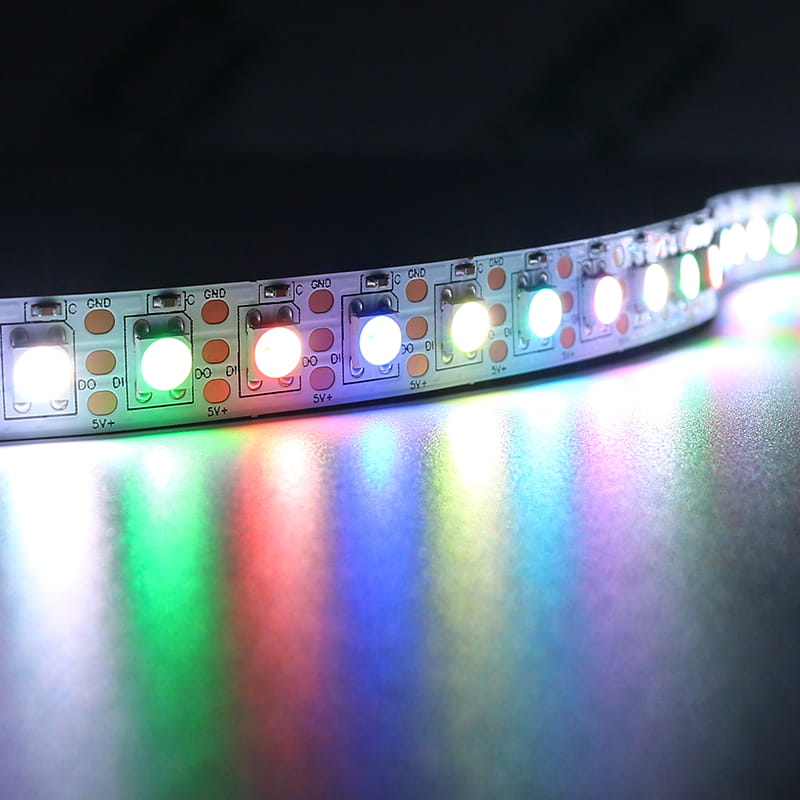
For visible coves, counters, shelves, and linear accents, continuity can matter more than LED count. A dot-free LED Strip effect depends on source type, LED density for continuous lighting, diffuser depth, and strip-to-diffuser spacing. Test the actual profile before approval.
How Should LED Strip Selection Change by Commercial Space?
Retail areas may prioritize color quality, hotels and restaurants often need warm dimming, offices care about glare and service access, and facades need weather protection. A Custom DC5V 12V 24V Flexible Strip LED Neon Lights Soft Round Tube RGB Neon Rope can fit decorative, signage, exhibition, and concealed lighting when a flexible neon-style line is more suitable than a bare strip.
Which LED Strip Specifications Should Be Compared Before Approval?
How Much Brightness and Color Quality Does the Project Actually Need?
Do not compare LED Strip products by wattage or LED count alone. LED Strip lumens per meter, CCT, CRI, RGB or RGBW requirements, and color consistency all matter. Mockups show whether output and color work with the real surface.
How Do Voltage, Watts per Meter, Run Length, and Cut Length Affect Selection?
A 12V vs 24V LED Strip for commercial projects decision depends on run length, watts per meter, current demand, power locations, and cut interval. Longer runs are more sensitive to voltage drop. The DC24V Flexible 20mm Smart Strip Light Outdoor Waterproof SMD5050 Led Strip Lighting page lists DC24V, SMD5050 RGB, 120 LEDs per meter, 20 pixels per meter, and 32W per meter.
Which IP Rating and Environmental Requirements Should Be Specified?
An LED Strip IP rating for indoor commercial use may be modest in a dry profile. A waterproof LED Strip for outdoor projects needs higher protection where rain, washing, dust, UV exposure, or condensation can reach the installation. Protection must include connectors, end caps, cable entries, mounting accessories, and exposed control components. Relevant SHIJILIGHTING strip products include IP20, IP65, IP67, and IP68 options.
What Control Compatibility Must Be Confirmed Before Ordering?
Static white, dimming, RGB, RGBW, and addressable effects require different controllers and wiring logic. Confirm voltage, channel count, signal or protocol requirements, controller capacity, and scene testing before ordering. SHIJILIGHTING is dedicated to research, development, and engineering of LED pixel products, and SJ-IC30-2904 is an outdoor IP68 waterproof addressable pixel point light with UCS2904 drive chip, 3pcs SMD5050 RGBW LEDs, DC12V/24V/48V options, single-pixel independent address control, long-distance wiring without brightness attenuation, UV-resistant milk white lens, and track-concealed installation design.
How Can Contractors Check LED Strip System Compatibility Before Installation?
Will the LED Strip, Power Supply, Controller, and Wiring Work Together?
Treat LED Strip as a system: strip to controller to power supply to wiring to connectors. Each part must match voltage, power capacity, polarity, channel or signal demand, and connector style. SHIJILIGHTING has self-owned production capacity and full automated production machines for LED pixel lights, strips, neon lights, and tube lights, realizing independent manufacturing from raw material processing to finished product assembly and stable supply capacity. Its portfolio covers addressable LED pixel light, LED strip light, LED neon flex, 3D LED tube, LED pixel bar, controllers, and accessories.
How Should Long LED Strip Runs Be Planned Before Installation?
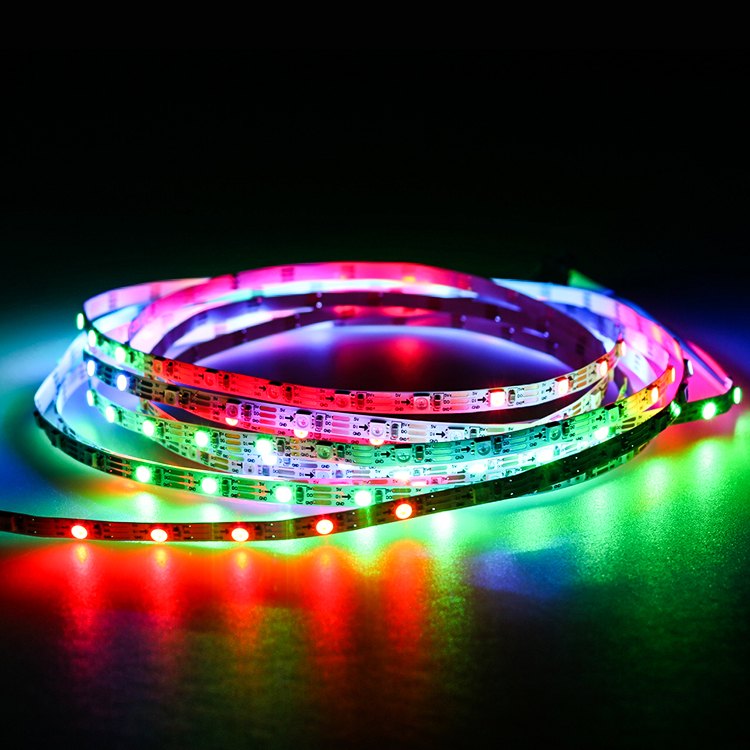
Long run LED Strip planning should address voltage drop, power injection, power supply sizing, and realistic section length. The goal is even brightness without overloading the strip or driver. The customer-site article on Future Trends in Addressable LED Strip Technology and Applications discusses voltage drop concerns in larger addressable installations.
What Mounting and Service Details Should Be Confirmed?
Check surface material, profile depth, clip or adhesive method, diffuser clearance, cable exit, and whether replacement sections can be reached. Drivers and controllers should remain serviceable.
What Should Commercial Buyers Verify Before a Bulk LED Strip Order?
Which Samples and Mockups Should Be Approved Before Mass Production?
Approve the complete working system, not only a loose LED Strip sample. The sample should demonstrate brightness, color appearance, visual uniformity, dimming or control response, run length, connector layout, waterproof construction, and installation fit.
Which Documents and Quality Checks Should Be Requested?
Request documents that match the target market and project requirements: specification sheet, electrical data, drawings, wiring information, test information, required compliance documents, and batch or color consistency expectations. SHIJILIGHTING has a record of working with clients across global markets and a deep understanding of diverse customer needs, so document requests should match the destination market and installation risk.
What Customization and Order Details Should Be Confirmed?
Confirm custom LED Strip length, PCB width, connector configuration, cable length, waterproof version, labeling, packaging, and OEM requirements. SHIJILIGHTING supports customized length, customized CCT, PCB color, waterproof grade, packaging, labels, and OEM requirements. The Outdoor Waterproof Customized Flexible LED Strip 12V 4000K WS2818 Led Strip Light page shows DC12V operation, 4000K customization, 96 LEDs per meter, 32 pixels per meter, 23W per meter, and IP20, IP65, IP67, or IP68 options.
How Should Buyers Compare LED Strip Quotations Beyond Unit Price?
Unit price is meaningful only when the scope is the same. Compare strip specification, connectors, cable, controllers, power components, mounting accessories, customization, packaging, technical support, and replacement or warranty terms. Also confirm samples, drawings, batch consistency controls, and repeat-order expectations.
FAQ
Q: How do I choose the right LED Strip for a commercial lighting project?
A: Start with the lighting task, installation condition, run length, control method, environment, and service access. Then compare LED Strip type, voltage, output, color quality, IP rating, and system components.
Q: Is a 12V or 24V LED Strip better for long commercial runs?
A: A 24V LED Strip is often easier for longer runs because current is lower for the same power, but it is not always the answer. Cut length, driver location, voltage drop, control method, and fixture geometry still matter.
Q: How much brightness should an LED Strip provide for retail or hospitality lighting?
A: It depends on mounting height, surface reflectance, diffuser loss, desired mood, and whether the strip provides ambient, task, or display lighting. Compare lumens per meter, CCT, CRI, and mockup results.
Q: What should I check before ordering LED Strip in bulk for a commercial project?
A: Verify samples, mockups, run length, control response, waterproof construction, connectors, drawings, electrical data, packaging, labeling, and repeat-order expectations. The approved sample should represent the working system.