Why Pixel Light Systems Consume More Power Than Expected in Modern LED Projects
What makes Pixel Light different from traditional LED strip lighting systems
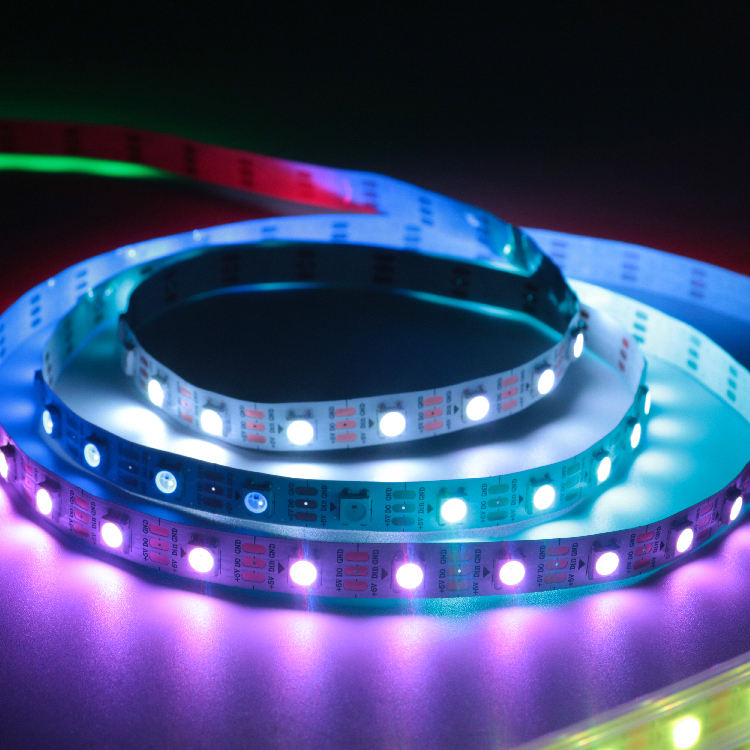
In modern commercial and architectural designs, addressable pixel light technology has rapidly replaced conventional illumination methods due to its superior dynamic visual capabilities. Unlike traditional LED strip lighting systems that illuminate or change color uniformly, pixel light networks assign independent driver circuits and light-emitting elements to every single node. This individual addressing allows for pinpoint accuracy in brightness and color rendering across massive installations. However, this granular control comes with an underlying energy cost. Even when powered off, each node draws a continuous standby current to listen for incoming data signals, a micro-consumption that accumulates significantly across large-scale setups, raising the foundational power baseline.
Hidden energy loss mechanisms in addressable pixel light networks
Beyond the standby current inherent to addressable nodes, there are several hidden energy loss mechanisms within pixel light networks that project managers often overlook. Transmitting data and power over long distances converts valuable electrical energy into heat due to cable resistance. To counteract signal degradation and voltage drop in extensive wiring, installers frequently utilize power injection at the end of runs. While necessary for visual uniformity, this practice inherently increases transformer conversion losses and thermal dissipation along the wires, causing the actual electricity consumed to far exceed theoretical calculations.
How Smart IC Chips Improve Energy Efficiency in Pixel Light Systems
The role of IC chips in per-pixel current regulation and control accuracy
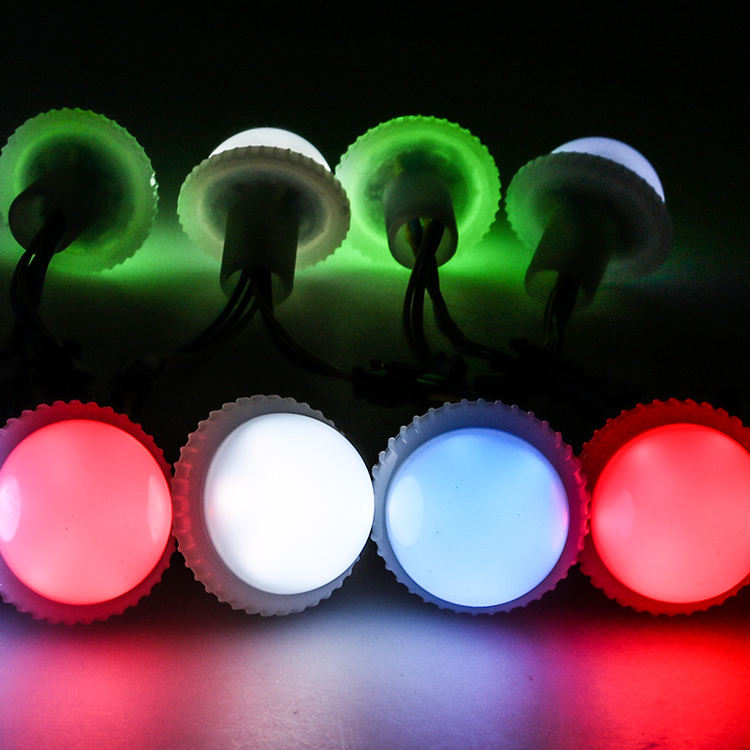
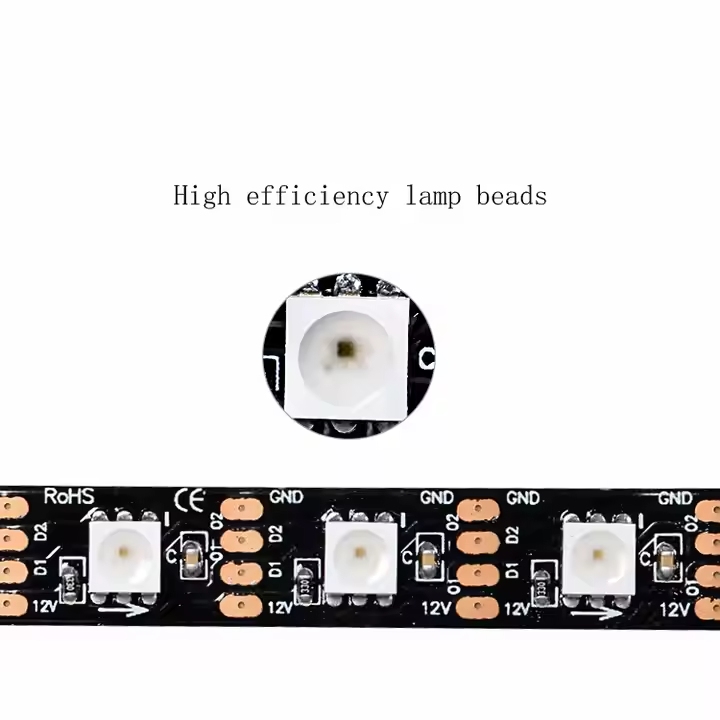
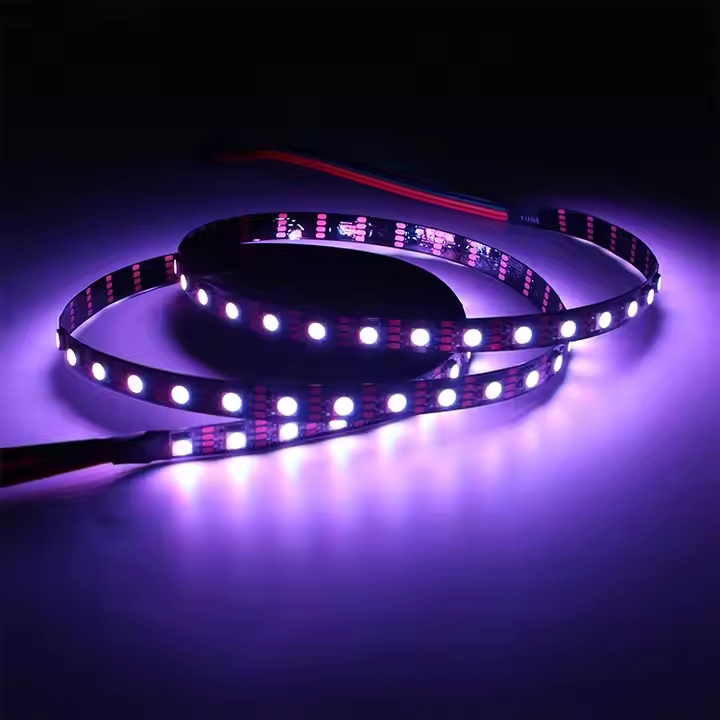
The integration of intelligent IC chips is the cornerstone of designing energy-saving LED setups. High-quality smart IC chips execute precise per-pixel current regulation, neutralizing power waste at the source. For instance, our SJ-SK6812 model—a 10mm diameter SMD5050 RGB pixel light—incorporates the highly accurate SK6812 chip. Operating on DC5V, it strictly limits the maximum wattage per piece to just 0.3W. The embedded constant current design ensures that even if minor voltage fluctuations occur, the LED maintains extreme control accuracy, preventing the sudden, ineffective current spikes that typically plague inferior components.
Why smart driver architecture reduces unnecessary power usage in pixel light setups
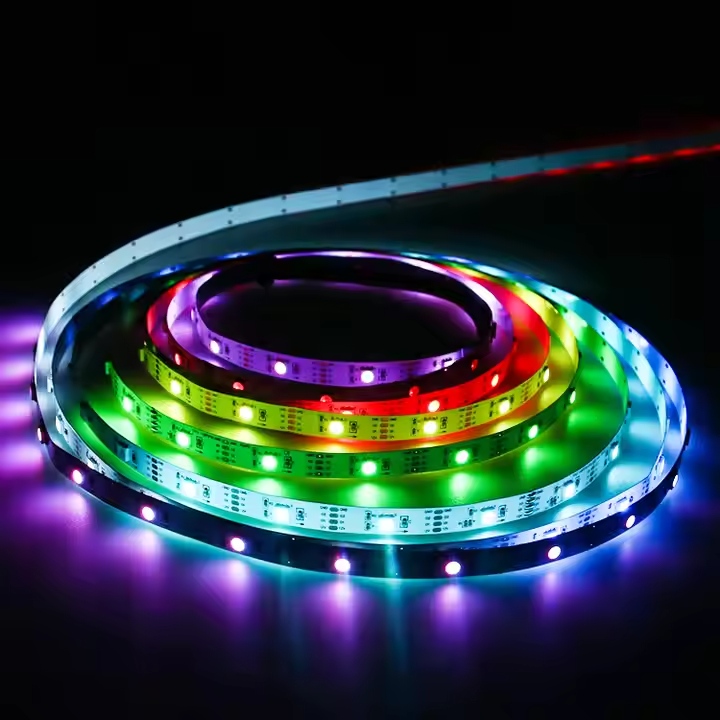
Advanced smart driver architecture fundamentally reduces unnecessary power usage through optimized pulse-width modulation (PWM) refresh rates and intelligent sleep modes. When specific segments of a display dim or enter a low-grayscale state, the embedded IC swiftly scales back the standby current. This automated energy distribution allows sprawling pixel light arrays to render complex video animations and draw only a fraction of their peak power capacity, drastically optimizing the overall electricity consumption of the installation.
Main Factors That Increase Pixel Light Power Consumption in Real Installations
Voltage drop challenges across long-distance pixel light runs.
In expansive outdoor installations like building façades or theme parks, long-distance wiring is unavoidable. Voltage drop stands out as a primary culprit behind both energy inflation and color distortion. To compensate for the voltage differential between the power source and the end of the line, flawed designs sometimes utilize oversized power supplies with higher output voltages. Unfortunately, this forces the front-end IC chips to absorb the excess voltage, burning it off as unwanted heat and causing severe power wastage.
Heat generation and current overload issues in high-density pixel light pixels
Packing pixels densely to achieve higher resolution screens inevitably leads to localized heat generation. As thermal loads increase, the luminous efficacy of the LED diodes drops, demanding a higher current to achieve the same visual brightness. Without robust heat dissipation and current overload protection, this cycle of thermal degradation shortens the lifespan of the fixtures while simultaneously driving up daily electricity usage.
Signal refresh rate and data processing load affecting energy stability
While ultra-high data refresh rates deliver buttery-smooth video rendering, they also keep the IC chips in a constant state of heavy data processing, drawing maximum operational power. For static displays, architectural grazing, or slow ambient fades, demanding such high-frequency data transmission is an avoidable drain on energy stability.
Smart Control Strategies for More Efficient Pixel Light Operation
Dynamic brightness control based on scene, environment, and usage patterns
Achieving maximum electricity savings requires more than just hardware; it demands intelligent software strategies. Integrating ambient light sensors with programmable time-axis controllers enables dynamic brightness control. Running a pixel light system at 50% capacity during dusk and throttling it down to 30% deep into the night when background light pollution is minimal slashes electricity costs while maintaining excellent visibility.
Group control vs individual pixel addressing in large pixel light systems
Gigantic media facades do not always require granular, individual pixel addressing to achieve a stunning impact. Implementing group control algorithms significantly reduces the data processing volume and transmission load. Our SJ-2510IC-360-12V, which utilizes advanced UCS2903 or GS8206 chips, perfectly supports flexible addressing configurations in large arrays. By grouping pixels logically, the system minimizes data overhead, blending visual dominance with top-tier energy conservation.
Scheduling and adaptive lighting patterns for optimized pixel light energy use
Establishing scientific playback schedules and adaptive lighting patterns is a highly effective way to curb operational expenses. Avoiding prolonged, full-white static displays (which activate all RGB channels simultaneously at peak power) and embracing dynamic visual breathing space or color rotation allows the transformers to rest, drastically reducing peak load demands.
Pixel Light Design Tips for Architectural and Commercial Lighting Projects
Choosing optimal pixel light layouts for façades, signage, and outdoor media walls
For architectural facades and commercial signage, selecting the optimal pixel pitch is critical. Blindly pursuing high-density layouts inflates initial procurement costs and results in skyrocketing electricity bills. By leveraging optical lenses and the human eye’s natural color-mixing tendencies, designers can widen the pixel pitch without sacrificing 3D visual depth, inherently capping the system’s power draw.
Balancing visual impact with energy stability in large-scale pixel light installations
Balancing breathtaking visuals with energy stability requires a foundational design approach. Employing smart IC chips that support wide voltage inputs alongside break-point continuous transmission minimizes the need for excessive power injection points. This strategy drastically reduces the amount of heavy copper cabling required, directly cutting down physical line losses.
How SHIJILIGHTING supports scalable smart lighting design for global projects
As a professional manufacturer deeply rooted in the industry, we understand that long-term electricity and operational costs dictate the success of your investment. At SHIJILIGHTING, we are devoted to engineering scalable, eco-friendly solutions for global projects. Our SJ-A10060-2903-12V 3D meteor pixel tube, specifically designed for clubs, festivals, and commercial plazas, exemplifies this. Featuring a 360-degree high-transmittance PC casing and the highly efficient UCS2903 constant current chip, it delivers maximum luminance at remarkably low power consumption. Because we stand behind the durability and energy efficiency of our craftsmanship, all our standard products come backed by a solid 2-year warranty, ensuring a stable, power-saving return on your lighting investment.
FAQ About Pixel Light Energy Efficiency and Smart IC Chip Technology
Q: Why do my pixel light systems consume so much electricity?
A: High electricity consumption is usually driven by accumulated standby current across thousands of nodes, reactive power loss from voltage drops over long cables, and running content at full brightness (especially pure white) for extended periods. Utilizing energy-efficient smart IC chips and optimizing media colors can immediately cut down power bills.
Q: How can smart IC chips make pixel lights more energy-efficient?
A: Smart IC chips integrate precise constant-current regulation, which prevents excess energy from being wasted as heat when the voltage fluctuates. Additionally, modern chips are engineered to drop into a low-power listening state when LEDs are dimmed or turned off, tackling power waste directly at the source.
Q: Does lowering the brightness of pixel light genuinely save power?
A: Absolutely. The energy consumed by a pixel light is directly proportional to the duty cycle of its internal pulse-width modulation (PWM). Dialing back the peak brightness by just 20% to 30% yields massive electricity savings while the visual difference is virtually imperceptible to the human eye at night.
Q: What is the best way to prevent voltage drop and energy loss in long pixel light runs?
A: The most effective method is strategically mapping out power injection points, utilizing thick, high-quality copper wiring, and selecting pixel systems operating on higher voltages like DC12V or DC24V. Higher voltage reduces the overall line current, mitigating thermal resistance loss along the cables.
Q: Are addressable pixel lights energy-stable enough for large outdoor commercial projects?
A: Yes, they are highly reliable for massive projects when designed correctly. By establishing the right pixel density and employing smart IC chips equipped with break-point transmission and low-power standby modes, you can create landmark visual displays that remain incredibly energy-stable and cost-effective. We offer comprehensive technical support and a reliable 2-year warranty on these types of large-scale design solutions.