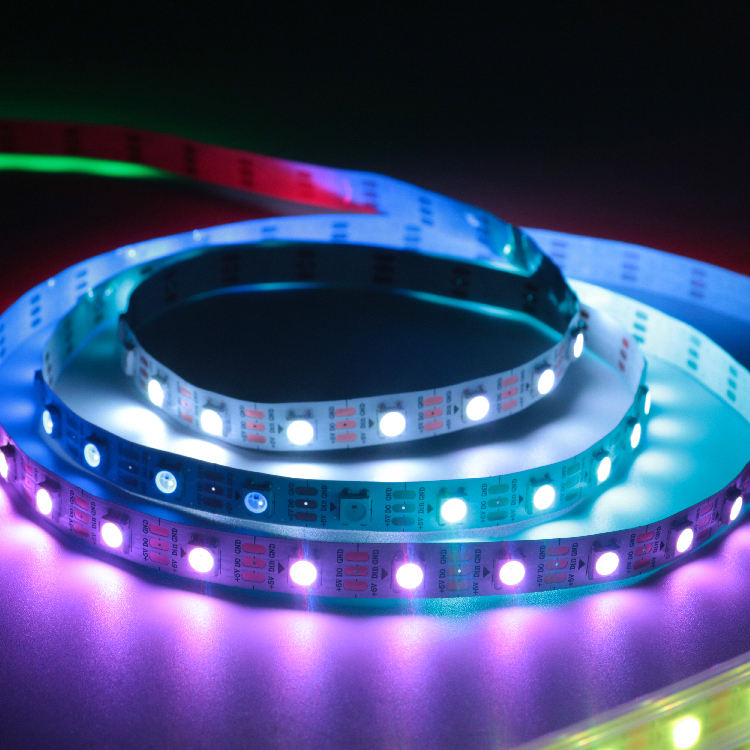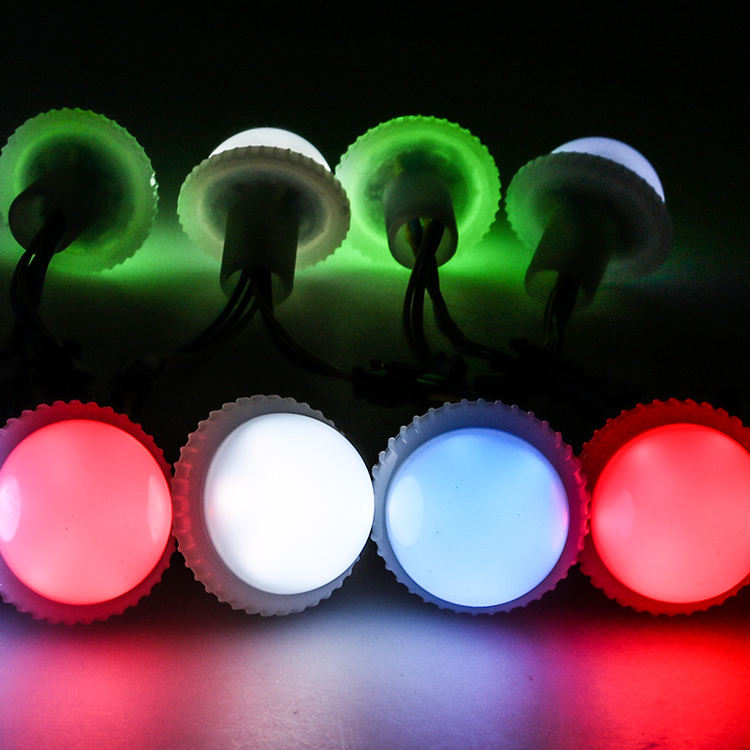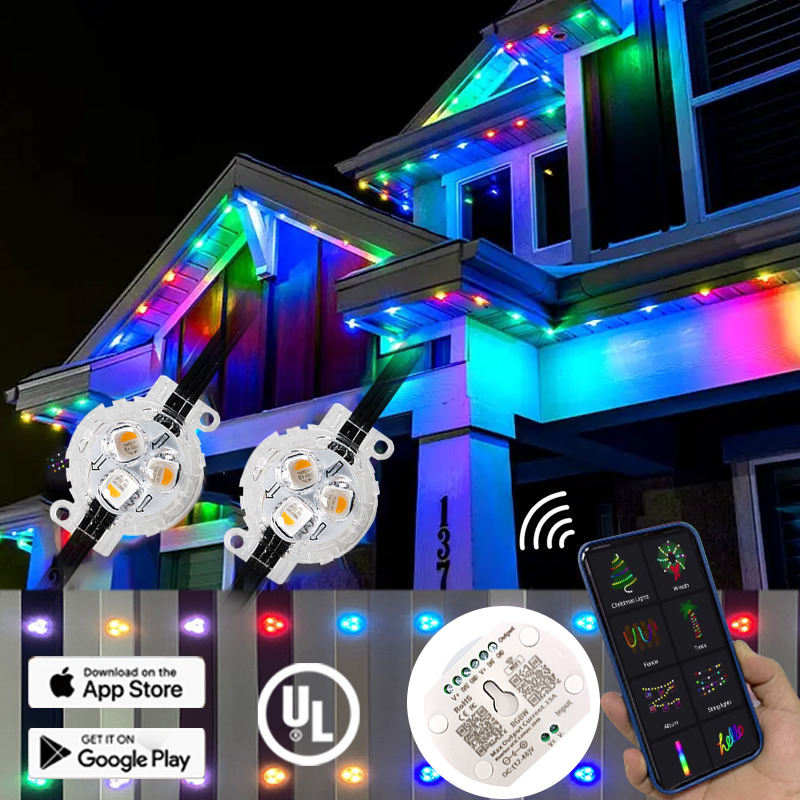
A Permanent Light system can look right in a sample and still become difficult to install, power, control, or maintain once it reaches a long commercial roofline. Commercial selection should begin with the building and operating plan, not with color effects or product appearance alone.
What Should Be Defined Before Selecting Permanent Light for a Commercial Roofline?
What Roofline Geometry and Mounting Surfaces Must Be Checked?
At SHIJILIGHTING, we start with linear footage, a roofline drawing, and mounting surface information. Fascia, soffit, eaves, parapets, roof peaks, inside and outside corners, multiple roof elevations, and gaps between building sections all affect segmentation and installation access. Since 2010, SHIJILIGHTING has worked across addressable LED pixel lights, LED strip lights, LED neon flex, LED tube lights, LED modules, DMX linear lights, supporting LED controllers, and long-term outdoor use. A related background article, Permanent Light Installations: Boosting Visibility and Safety, reinforces the same idea: permanent roofline lighting should behave like part of the building, not a seasonal add-on.
What Does the Permanent Light Need to Do After Dark?
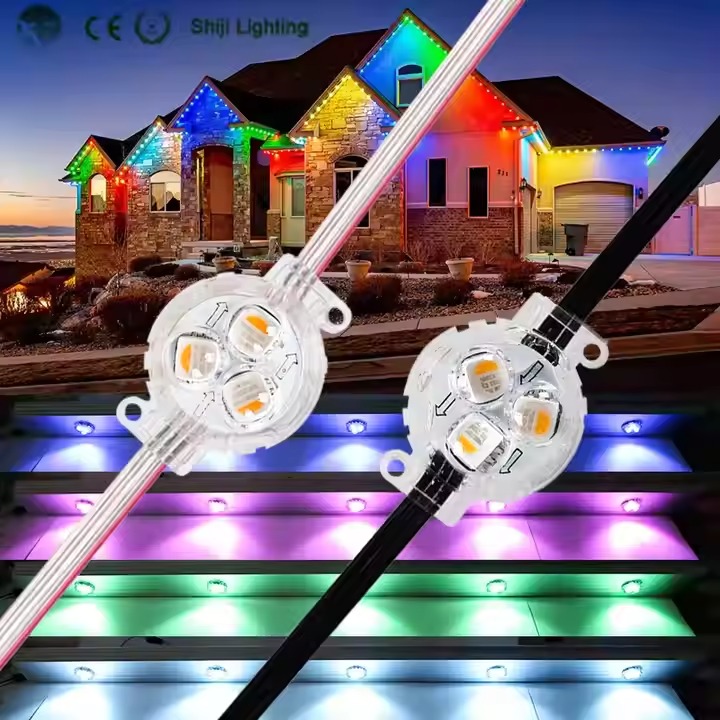
Define the nighttime job before choosing hardware. A roofline may need an everyday architectural outline, warm white accent lighting, brand colors, seasonal displays, promotional event scenes, or programmable effects. Those uses lead to different choices for control, zoning, pixel spacing, and white-light quality.
How Important Is the Permanent Light’s Daytime Appearance?
Commercial buildings spend most hours with the system switched off. Visible wiring, node/profile size, track alignment, and color matching with fascia or soffit should be reviewed in daylight. A product that looks bright at night can still look poorly integrated during business hours.
Which Permanent Light Configuration Matches the Desired Roofline Effect?
How Do Pixel Spacing and Viewing Distance Change the Final Look?
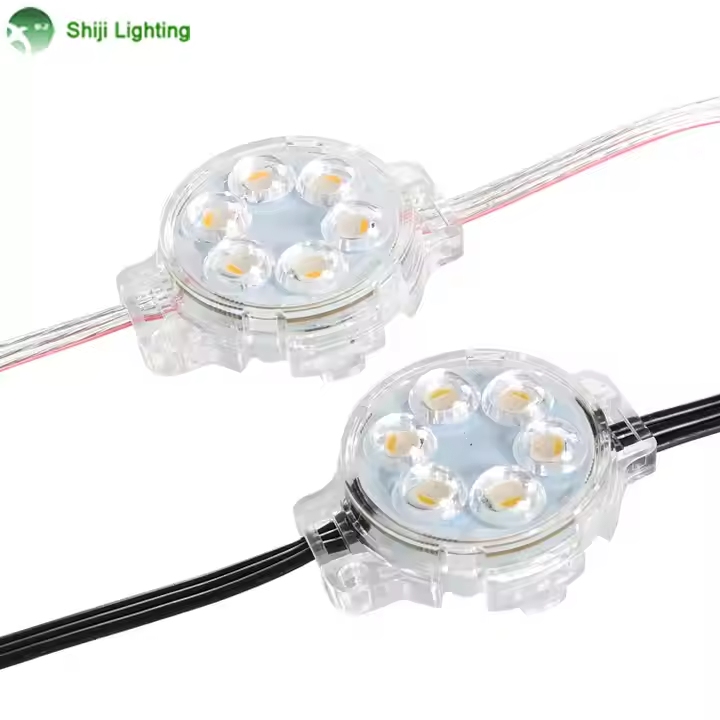
The right Permanent Light spacing for commercial roofline work depends on viewing distance and building scale. Close viewing rewards tighter spacing and a cleaner node profile. Roadside viewing often needs an outline that reads smoothly from farther away. More LEDs is not automatically better; the goal is to match pixel spacing, roofline height, and architectural proportions. For a larger outdoor pixel format, Customized Permanent Lights Amusement Rides 60mm RGBW Pixel Light Outdoor Waterproof Led Point Light Source is a useful product reference.
When Should Commercial Projects Choose RGB or RGBW Permanent Light?
RGB works well when dynamic color effects are the priority. RGBW is worth considering when the same commercial building also needs more natural, stable white light for daily outline lighting. RGBW adds a dedicated white chip instead of relying only on mixed RGB white, so the choice should follow the building’s daily use.
Should Different Roofline Sections Use Separate Lighting Zones?
Zone planning should happen before ordering. Entrances, main facade sections, side elevations, upper roof areas, and separate buildings may need independent schedules or scenes. If zoning is left until after installation, controller distance, branch layout, or cross-building wiring can limit what the system can do.
Which Permanent Light Specifications Matter Most for Commercial Projects?
How Should Voltage, Power Demand, and Roofline Length Be Evaluated Together?
Permanent Light power requirements cannot be checked only by asking whether the power supply has enough watts. Roofline length leads to branch length, branch length affects current, and current affects voltage drop. For digital LED lighting, 5V suits short indoor decorative runs, 12V fits medium-length landscape pixel lighting, and 24V low-voltage-drop versions are commonly used for outdoor engineering projects. Injection locations should be planned around wattage, operating voltage, current, maximum continuous length, and allowed far-end voltage.
What Weather Protection Does Permanent Light Need Outdoors?
Outdoor rooflines face rain exposure, roof runoff, dust, UV, humidity, temperature changes, and connector exposure. Do not check only the LED node IP rating. Review connectors, cable entries, power connections, and where controllers and power supplies will be installed. IP65, IP67, and IP68 are common outdoor grades in this product category, but the right grade depends on the installation environment.
What Control Compatibility Should Be Confirmed Before Ordering?
Control compatibility should be confirmed before production. Some projects only need preset scenes and schedules, while others need programmable control, DMX, Art-Net, zone control, or mobile app operation. SPI and DMX512 serve different control paths, and WiFi/Bluetooth app control is available in some product families. For eaves kit projects, individually controlled pixels, waterproof connectors, controller-system options, and extra power wires can support both scene control and voltage-drop planning. For a string-style RGBW permanent-light option, Permanent Christmas Holiday Led Point Light Source RGBW Full Color Pixel Light String shows how product format and control planning should be reviewed together.
How Should Contractors Plan a Permanent Light System Before Installation?
Where Should Power Supplies and Injection Points Be Planned?
Contractors should map available electrical locations, long roofline sections, branch distribution, access for maintenance, and voltage consistency before installation starts. This is different from a product load calculation. The building layout decides where power supplies can sit and whether injection points remain reachable.
How Should Controllers, Data Runs, and Lighting Zones Be Laid Out?
A practical layout is controller to data distribution, then roofline zones, then Permanent Light sections. Commercial projects should avoid discovering after installation that the controller is too far away, the data run crosses the wrong building section, or zones cannot be operated independently.
What Mounting Details Should Be Confirmed Before Installation?
Track/profile compatibility, screw or mechanical fixing, corner transitions, expansion or jump cables, cable concealment, and service access should be confirmed before the roofline is closed. A clean mounting plan protects both the daytime appearance and future serviceability.
What Should Be Tested Before the Roofline Installation Is Closed Out?
Test each section before difficult-to-access roofline areas are finalized. All pixels should respond, color order should be correct, white-light appearance should be acceptable, and the longest run should be checked at full brightness. Each zone, controller restart, and schedule should also be tested. Supplier review can include incoming inspection, PCB aging, 24-hour full-load aging, waterproof testing, light-color consistency sorting, and shipment sampling.
What Should Commercial Buyers Verify Before Approving Permanent Light?
Should a Full-Scale Roofline Mockup Be Tested Before Bulk Ordering?
A full-scale mockup is more useful than a desk sample. Buyers should verify the actual mounting profile, real spacing, daytime appearance, nighttime viewing distance, full-white output, programmable effects, and waterproof connections in conditions that resemble the final roofline.
Which Project Documents Should Buyers Request?
Request product specifications, wiring diagrams, power requirements, controller compatibility, mounting dimensions, environmental ratings, relevant certification documents, and warranty terms. Certification should be checked for the actual project location and product version, not treated as a universal claim.
Which Custom Details Must Be Locked Before Production?
Drawing-based customization can adjust voltage, IC chip, IP waterproof grade, size, PCB width, LED quantity, and packaging. Project teams can also lock pixel spacing, cable length, connector type, section length, wire color, mounting configuration, RGB/RGBW choice, waterproof configuration, and labeling. Locking these details early helps contractors install the system according to the roofline drawing rather than improvising on site.
How Should Replacement and Maintenance Access Affect Permanent Light Selection?
Permanent should mean serviceable long-term installation, not maintenance-free forever. Ask whether one failed section can be replaced, whether connectors are accessible, whether the controller can be serviced without removing the roofline, whether replacement sections are easy to identify, and whether future additions can use compatible parts. Connector and replacement planning can include customizable wire color, male/female connectors, and extra power wires where service teams need to identify sections later.
FAQ
Q: How do I choose Permanent Light for a commercial roofline project?
A: Start with roofline geometry, mounting surfaces, viewing distance, operating scenes, and maintenance access. Then choose spacing, voltage, control, zoning, and weather protection around the building plan.
Q: Is RGB or RGBW Permanent Light better for commercial roofline lighting?
A: RGB is better when dynamic color is the main goal. RGBW is better when the project also needs more natural daily white light for architectural outline or brand presentation.
Q: What IP rating should Permanent Light have for an outdoor roofline?
A: IP65, IP67, and IP68 are common outdoor grades, but the full system matters. Check connectors, cable entries, power connections, controller placement, and exposure to runoff, UV, dust, humidity, and temperature change.
Q: How far can Permanent Light run before additional power is needed?
A: There is no universal run length. Evaluate wattage, operating voltage, branch current, maximum continuous length, voltage drop, cable distance, and planned power injection locations.
Q: What should be tested before ordering Permanent Light for a large commercial project?
A: Test a realistic roofline mockup, including mounting profile, spacing, daylight appearance, nighttime viewing distance, full-white output, programmed effects, waterproof connections, and service access.