When you get ready for an extended study period, the space around you quietly influences how much knowledge your mind absorbs. Many students concentrate on comfortable chairs. Yet, they frequently ignore the light’s color tone from above. The discussion on cool white versus warm white goes past mere appearance. It connects to brain function. Spotting the best LED light color for studying and focus starts the process of improving your mental output.
Why Does Light Color Matter for Your Brain During Study Sessions?
The Biological Link: How Color Temperature Affects Melatonin and Alertness
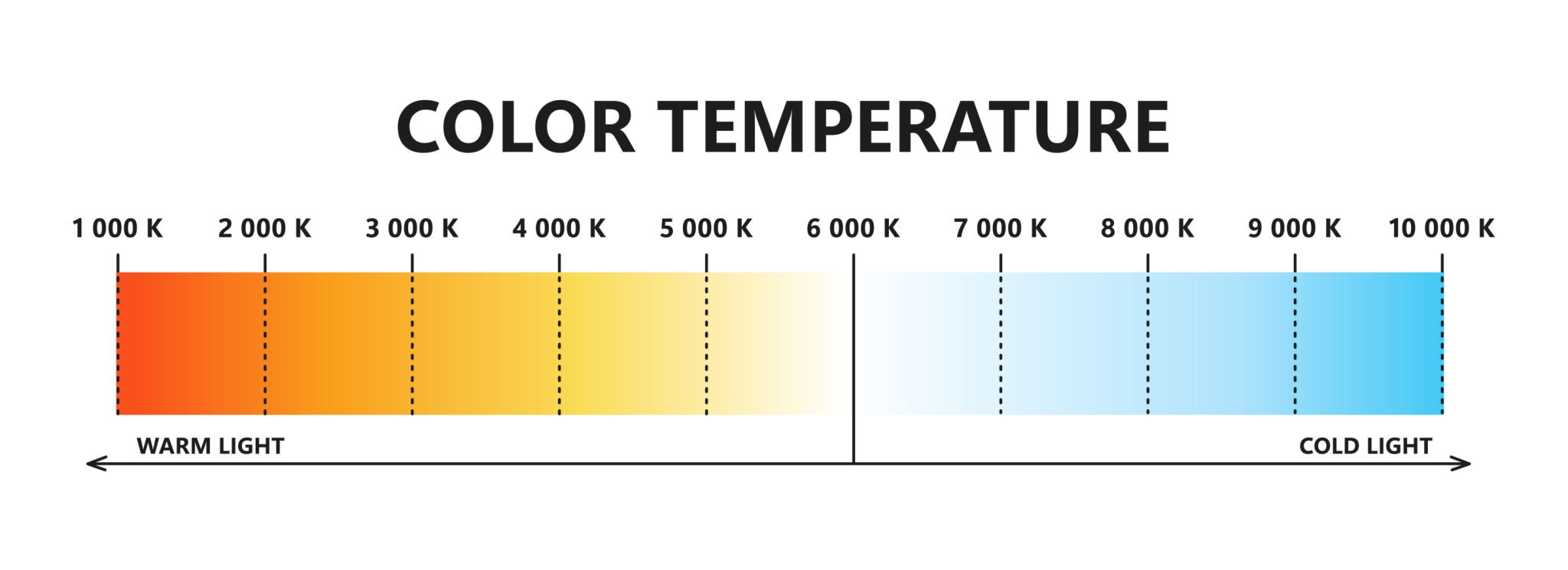
The brain naturally reacts to sunlight’s range. Our bodies stick to a daily rhythm. Blue light waves shape this pattern. Lights with elevated color temperature block melatonin. That is the sleep hormone. They maintain a high level of awareness. Selecting a cooler range basically informs your brain of midday. Thus, it sustains your concentration.
Psychological Impact: Creating the Right Mindset for Deep Work
Light establishes the mental backdrop for efficiency. Strong, clear illumination cues the brain to activate. It serves as a prompt for intense effort. In contrast, faint or yellowish light may mislead the brain into ease. This often results in delays. At SHIJILIGHTING, we design light fixtures that match these mental signals. They assist people in holding a steady pace for extended periods.
Cool White vs. Warm White: Which One Wins for Concentration?
The Power of Cool White Light (5000K-6500K) for Cognitive Tasks
Cool white light excels in demanding activities. The 5000K to 6500K span resembles sunny daylight. It improves sharpness. Reading text gets simpler. This eases the brain’s work in handling sights. The abundant blue light earns recognition as the best LED light color for studying and focus. It heightens sight precision and sustains mental involvement.
When to Switch to Warm White (2700K-3000K): Relaxation and Creativity
Warm white light holds merit. However, it fits another role. It forms a relaxed setting suited for imaginative writing or idea generation. When sessions demand broad thought over exact reasoning, a softer shade can reduce tension. Consequently, thoughts move with greater ease.
How to Choose the Perfect LED Color Temperature for Different Subjects?
High-Focus Tasks: Mathematics, Science, and Intensive Reading
Topics needing precise logic, such as calculus or organic chemistry, gain from a crisp, cool atmosphere. Lighting at 6000K delivers keen contrast. It makes tiny marks and intricate equations stand out. This cuts down on hasty mistakes from eye weariness. For such topics, reliable cool white nearly always qualifies as the best LED light color for studying and focus.
Creative Processes: Writing, Brainstorming, and Artistic Projects
Subjects like literature or design benefit from neutral or mildly warm illumination. Around 3500K-4000K proves useful. This balance offers sufficient clarity for viewing tasks. At the same time, it keeps a cozy feel that supports idea movement. It stops the space from seeming overly plain, which might hinder imagination.
Beyond Color: Essential Factors for an Eye-Friendly Study Environment
Brightness and Lumens: Why “Cool” Doesn’t Always Mean “Bright Enough”
Color temperature covers just part of the challenge. Brightness, gauged in lumens, holds equal weight. A cool-toned light that remains too weak still prompts squinting. This brings on aches and reduced attention. We suggest a multi-level lighting method. Employ solid general light along with a specific desk fixture. This guarantees ample brightness in the area without sharpness. To secure the best LED light color for studying and focus, include proper power to fit the color temperature.
Combating Eye Strain: The Importance of High CRI (Color Rendering Index)
Low-quality LEDs often make colors look dull or “off,” which forces the eyes to work harder to interpret visual data. At SHIJILIGHTING, our products are designed with a high Color Rendering Index (CRI), ensuring that colors are vibrant and true to life. This reduces the strain on your optic nerve during 8-hour study marathons, allowing you to stay focused on the content rather than struggling with poor visibility.
Positioning Your Light: Avoiding Glare and Shadows on Your Desk
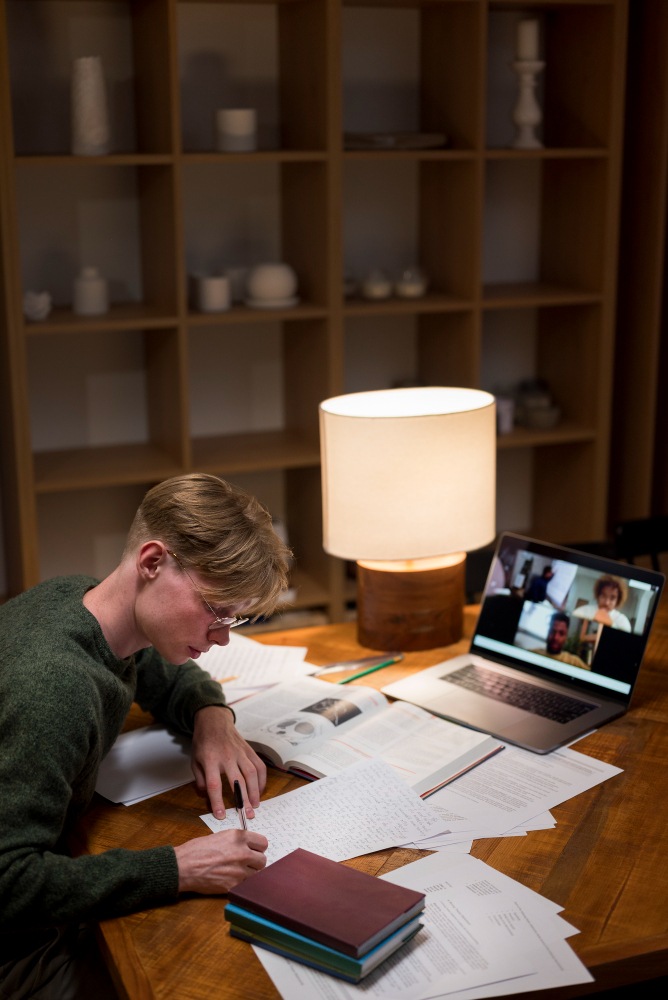
Even superior LED tones suffer from bad positioning. Straight shine on screens or dense shadows across notes lead to notable eye tiredness. Place the key light beside your writing hand. Incorporate scattered shields. These address typical problems. They produce an even light area, gentle on the vision.
Is Blue Light from LEDs Bad for Your Late-Night Study Habits?
Understanding the Blue Light Peak and Sleep Disruption
What aids cool white for attention, blue light, turns problematic at 2:00 AM. Contact with potent blue light in late hours disturbs sleep patterns. It complicates dozing off post-study.
Smart Solutions: Using Programmable LEDs to Mimic Natural Daylight
Adaptability offers the current fix. Avoid picking a single steady color. Intelligent LED arrangements enable shifts from cool white in daylight to warm white toward night. This imitation of sunlight’s routine safeguards enduring well-being. Meanwhile, it enhances immediate efficiency.
Optimizing Your Study Space with Modern Technology
The Benefits of Adjustable CCT Systems
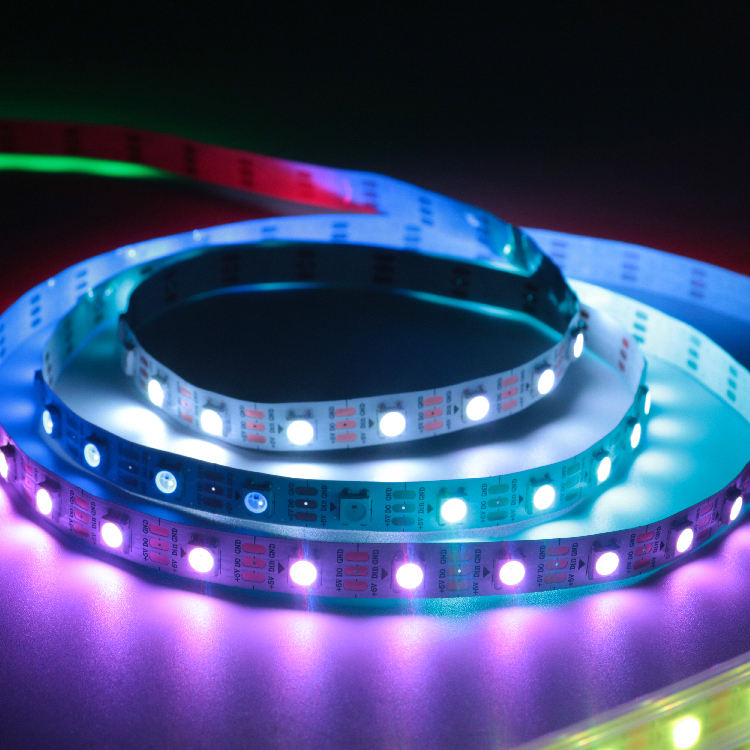
As makers, we support flexibility. For work setups, we suggest our CCT Adjustable LED Strip SMD 5050. It permits adjustment from 2700K to 6500K. Thus, you access the ideal color per daytime slot in one setup. Move from a demanding 6000K task light to a 3000K night read light without hassle.
Smart Controls for Seamless Transitions
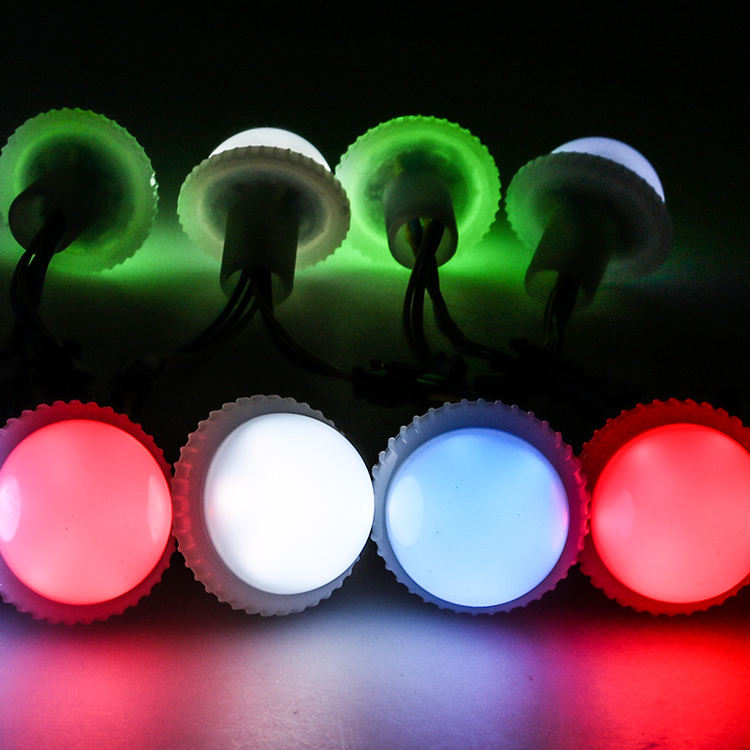
Those wanting refined spaces will find our Outdoor Programmable Flexible Strip Light RGB DC5V SK6812 Addressable LED Strip effective. It often serves lively shows. Yet, its RGBW design holds a specific white element for clean, solid white illumination. Linked to a control, program the strip for fresh cool white in main periods. Shift to gentle yellow when easing off. We back our design with a 2-year warranty. This assures steady concentration.
Conclusion: Creating Your Personalized High-Performance Lighting Plan
The best LED light color for studying and focus is not a single fixed number, but a strategy. By utilizing cool white for active focus and warm white for creative rest—and leveraging adjustable technology like the professional-grade strips from SHIJILIGHTING—you can turn your desk into a high-performance cognitive hub. Investing in quality lighting is an investment in your productivity.
FAQ
Q: What is the best LED light color for studying and focusing during long night sessions?
A: For evening periods, begin with cool white light (5000K) for vigilance. Then ease into warmer shade (3000K), nearing rest. An item like our CCT Adjustable LED Strip SMD 5050 eases this change. It blocks blue light sleep interference yet supplies clarity to complete duties.
Q: How can I find the best LED light color for studying and focusing in a room with no windows?
A: Windowless areas suit 6500K well. It echoes the natural sun. This sustains your daily rhythm in an active state. It counters the drag common in dim lower levels. At SHIJILIGHTING, combine high-kelvin strips with intelligent controls. Lower brightness during pauses. Gain total command of your inner area.
Q: Does the best LED light color for studying and focus actually help reduce eye strain?
A: Yes, proper color temperature and high CRI prove essential. Cool white boosts contrast. Eyes thus avoid overwork to spot text. Our light options deliver firm, no-tremor brightness. They include a 2-year warranty for sight safety in heavy sessions.
Q: Is the Outdoor Programmable Flexible Strip Light RGB DC5V SK6812 Addressable LED Strip good for a desk setup?
A: Yes. The SK6812 Addressable LED Strip differs from regular RGB ones. It has a dedicated white LED chip. This guarantees quality white light for attention. Program it for pure white in the study. Change to vivid surroundings for unwinding times.
Q: How many lumens do I need alongside the best LED light color for studying and focus?
A: Seek 450 to 500 lumens on the desk face. Color temperature sparks the mind. Lumens ensure actual clearness. Dim light causes hunching over screens or sheets. This fosters a bad stance and more weariness.