Why Programmable LED Strips Are Essential for Modern Projects
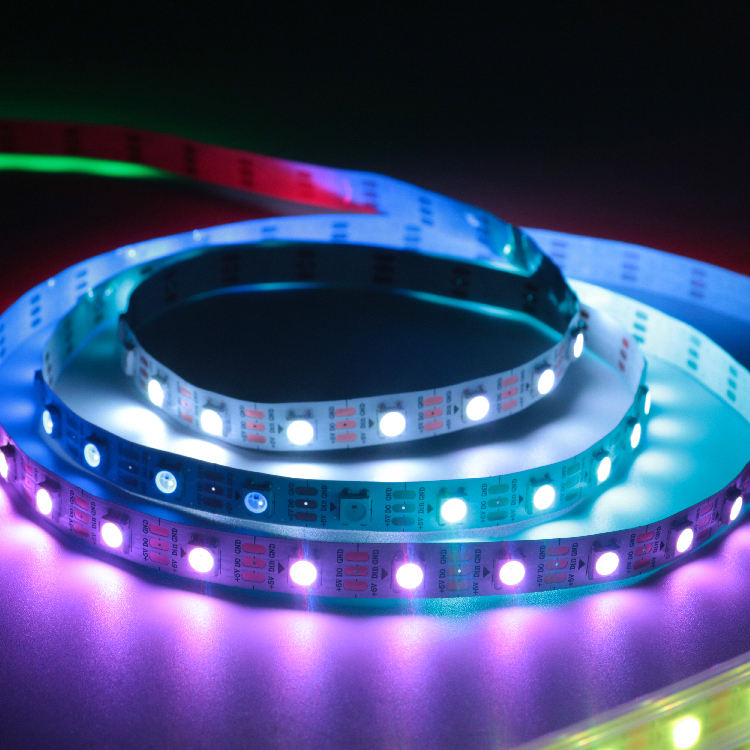
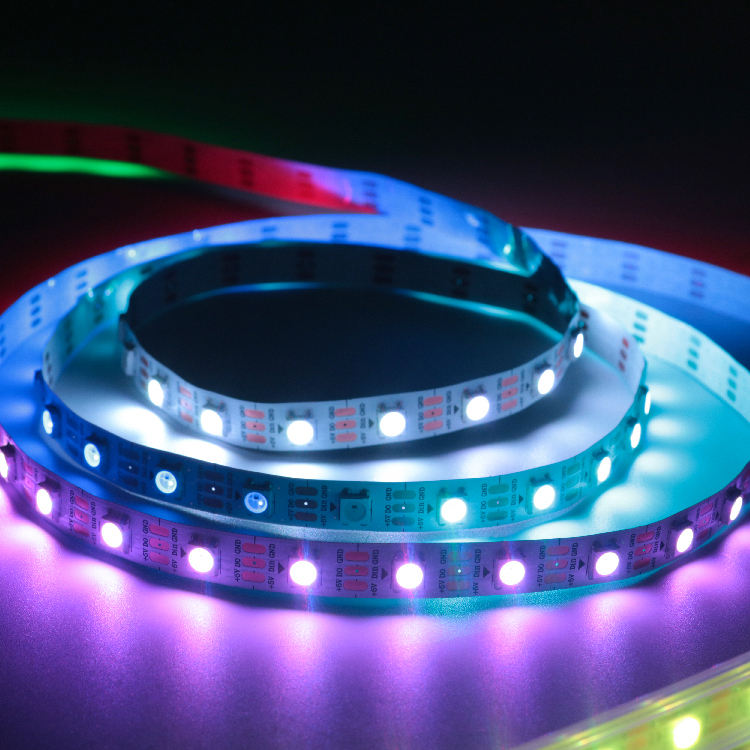
Modern building and entertainment designs are quickly moving away from fixed lighting. They now use flexible and smart systems instead. Adding programmable LED strips to current lighting plans gives a strong mix of visual effects and cost efficiency. These systems deliver excellent energy-saving and power-saving results. They adjust light levels based on current conditions. This approach works better than running at full power all the time.
How Programmable LED Strips Improve Project Flexibility
Traditional commercial lighting often lacks flexibility. It forces designers to choose one fixed look. In contrast, smart LED Strips bring wide structural and mood options. Display teams can change colors, speed, and pattern sequences through software. They do this without changing the physical hardware or layout. This digital flexibility keeps the whole lighting setup ready for future needs. It also responds well to new themes.
Benefits of Using Addressable LED Strips in Different Applications
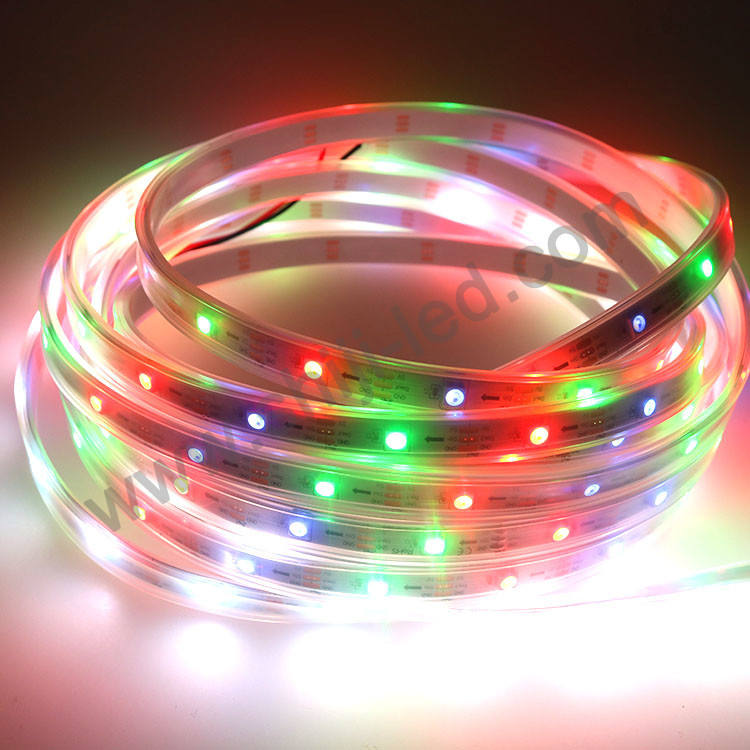
The main advantage of addressable LED strips comes from control at each point. These lights work well in retail storefronts, theater stages, or theme park attractions. They change individual segments to create deep local atmospheres. This fine level of adjustment turns normal architectural parts into interactive displays. It increases crowd interest and manages local power use at the same time.
What Are the Types of Programmable LED Strips?
Choosing the right hardware means looking at many kinds of pixel LED lights. Checking their practical differences helps your setup meet both visual goals and efficiency targets.
Single-Color vs RGB vs RGBW Programmable LED Strips
Single-color versions mark out simple structures. RGB programmable strips mix three main colors to create many bright shades. A key comparison appears with RGBW addressable strips. These add a separate white chip next to the standard RGB nodes. As a result, RGBW strips produce clear and balanced white light. This design supports strong power-saving goals. It avoids running all three color channels at once to create white. This makes it a better energy-saving choice for task lighting.
Digital Addressable LED Strips and Pixel Control Options
Advanced commercial setups rely on digital addressable LED strips with built-in circuits. These include ICs like WS2812B, SK6812, or GS8208. The microchips control the accuracy of your pixel control. Better chip designs use dual-signal setups. These prevent one failed pixel from affecting the rest of the data. They keep a steady signal transmission across large display areas.
Waterproof and Outdoor Rated Programmable LED Strips
External building projects require strong waterproof LED strips. Special silicone coatings or epoxy resin layers reach IP65 to IP68 protection levels. This engineering protects the inner circuits from rain, moisture, and dust in the air. It helps maintain stable performance over long periods in tough outdoor conditions.
How to Choose the Best Programmable LED Strip for Your Project
Finding the right custom LED strips means matching detailed technical specs with layout limits.
Matching Strip Specifications to Your Application Needs
High-density setups such as 144 LEDs per meter work best for direct-view installations. They remove visible bright spots and form a solid line of light. Lower-density options suit indirect cove lighting. These reduce total power use and support a balanced, sustainable setting.
Understanding Voltage, Wattage, and Brightness Requirements
System voltage forms a key design factor. 5V options perform well in small, precise interactive projects. Yet they face voltage drops across longer distances. Larger commercial areas need 12V or 24V setups. These reduce resistance losses and keep brightness steady over wide networks.
Selecting the Right Length and Cuttable Options
Complex shapes and custom cabinets need highly flexible cuttable LED strips. These modules have marked cutting points every few centimeters. Installation teams can then make exact changes and tight curves. The adjustments do not harm the rest of the pixel circuit.
How to Use Programmable LED Strip Controllers Effectively
A strong pixel matrix depends on its control hardware. A solid LED strip controller turns software instructions into real light displays.
Types of Controllers and Compatibility Considerations
Designers need controllers that match the driver IC language. This includes SPI or DMX512 protocols. SHIJILIGHTING has more than ten years of experience in digital LED production. The company creates hardware for smooth system integration. Our flagship SJ-SP105E model is an advanced Bluetooth magic controller. It works with nearly all single-wire and dual-wire driver ICs. It operates on a wide DC5V-24V range with reverse protection. The unit can handle up to 2,048 pixels. It also comes with 200 built-in pattern options. These features simplify complex setups.
Wireless vs Wired Control Options for Convenience
Wired DMX networks set the standard for large stadium synchronization with no delay. Wireless options such as Wi-Fi, Bluetooth, or RF offer more flexibility for hotels and architectural coves. Wireless setups cut wiring costs during deployment. They support faster and cleaner installation processes.
Software and Apps for Programming Lighting Effects
Large video mapping projects often use programs like Madrix or Resolume. For smaller flexible control, our SJ-SP105E controller connects easily with iOS and Android apps. This puts full smart lighting control right in your hands.
How to Install and Layout Programmable LED Strips
Correct physical placement decides if a project looks basic or fully integrated.
Surface Mount, Recessed, and Flexible Layout Techniques
Surface mounting with 3M adhesive works for fast setups. Professional work prefers recessed aluminum profiles. These channels with frosted diffusers hide the PCBs. They add mechanical protection and act as heat sinks. The profiles release the heat produced during operation.
Creating Uniform and Dynamic Lighting Effects
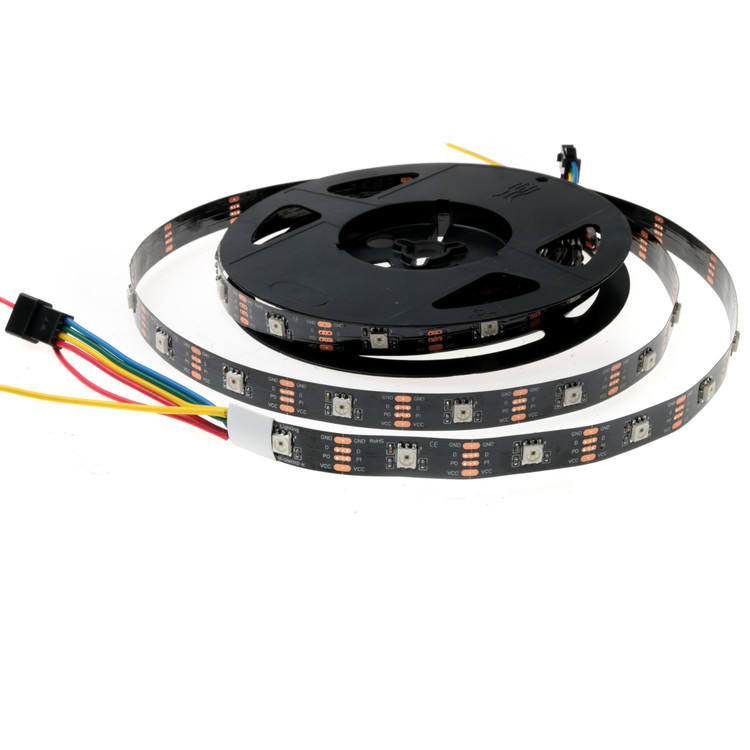
Pixel density and diffuser depth must match to create smooth dynamic lighting effects. For dense, high-quality linear setups, we offer the SJ-10060-8208-12V GS8208 Pixel 60Leds Full Color Changing SMD5050 12mm Addressable Led Light Strip. This 5V SMD5050 RGB/RGBW programmable LED strip has 60 individually controlled pixels per meter. It uses a 12mm flexible PCB and casts a wide 160-degree beam. The design produces very even color changes. Like all our main products, it includes an unconditional 2-year warranty.
Electrical Safety and Connection Best Practices
Electrical safety requires tight, insulated, and properly fused power connections. Parallel power lines should be added every few meters to prevent voltage drops on long runs. For projects that need long-distance performance with little upkeep, we offer the SJ-10060-8208-12V model. This 12V GS8208 digital addressable LED strip uses a dual-signal design that resumes after breakpoints. It has 4-pin JST SM waterproof connectors. If one pixel stops working, the rest of the strip continues without issue. This makes it the top choice for complex architectural settings. The product comes with a dependable 2-year warranty.
How to Maintain Programmable LED Strips for Longevity
High-quality output over many years needs regular care of the structure.
Cleaning and Dust Prevention Techniques
Dust buildup traps heat and lowers light output. Wipe unprotected flexible LED strips with a dry anti-static microfiber cloth from time to time. Do not use strong chemical solvents. These could harm the silicone layers or weaken solder points.
Preventing Overheating and Signal Interference
Heat stress shortens LED life quickly. Placing strips inside aluminum channels improves heat release. To avoid data problems, keep low-voltage signal wires away from high-voltage AC lines. This shielding protects data from electromagnetic interference.
Troubleshooting Common Issues with LED Strips and Controllers
Erratic flashing or unresponsive pixels need basic checks first. Confirm that the power supply matches the strip voltage. Then verify that the controller settings match the IC protocol and total pixel count. These steps restore stable pixel control.
FAQ
Q: What waterproof rating is required for addressable LED strips installed outdoors?
A: Long-term outdoor use in difficult weather needs at least IP65 with a silicone sleeve. IP67 or IP68 with full silicone or epoxy filling is also suitable. At SHIJILIGHTING, we produce high-quality outdoor waterproof LED strips that resist heavy rain and UV exposure. All of them include a robust 2-year warranty.
Q: Why do the colors at the end of a long programmable LED strip turn dim or red?
A: Voltage drop along the copper traces causes this color change. As the current moves forward, resistance uses up voltage. This leaves too little power for the blue and green channels at the far end. Dual-ended power injection can fix the issue. Higher voltage systems like our 12V SJ-10060-8208-12V model also reduce resistance on longer runs.
Q: Can different models of digital addressable LED strips be connected together on one controller?
A: Connecting different strip types in sequence is usually not advised. Different ICs use separate data protocols and voltages. An advanced smart lighting control device, such as the SHIJILIGHTING SJ-SP105E controller, manages separate zones. It matches specific IC needs across independent outputs.
Q: How can unexpected signal flickering on custom LED strips be eliminated?
A: Missing common ground or electromagnetic interference often causes random flickering. Always connect the GND terminal of the power supply, the LED strip controller, and the LED strip to one common ground. Keep data lines short to maintain a clean signal transmission.
Q: What programming techniques reduce power consumption on pixel LED strips?
A: Avoid constant 100 percent white light sequences to improve energy-saving and power-saving performance. These sequences pull maximum current from all channels. Use dynamic effects such as waves, color chases, or breathing gradients instead. These patterns keep many pixels dim or alternating. They can cut average energy use by up to 50 percent.