Picking the right lighting setup means more than just brightening a dim space. The type of light you select affects mental performance, focus length, and eye health. To find the best LED light color for studying, you need to grasp how color temperature works and its effects on the body. This knowledge helps boost output while making your eyes feel at ease during long work periods.
What Is the Ideal Kelvin Temperature for Focus and Productivity?
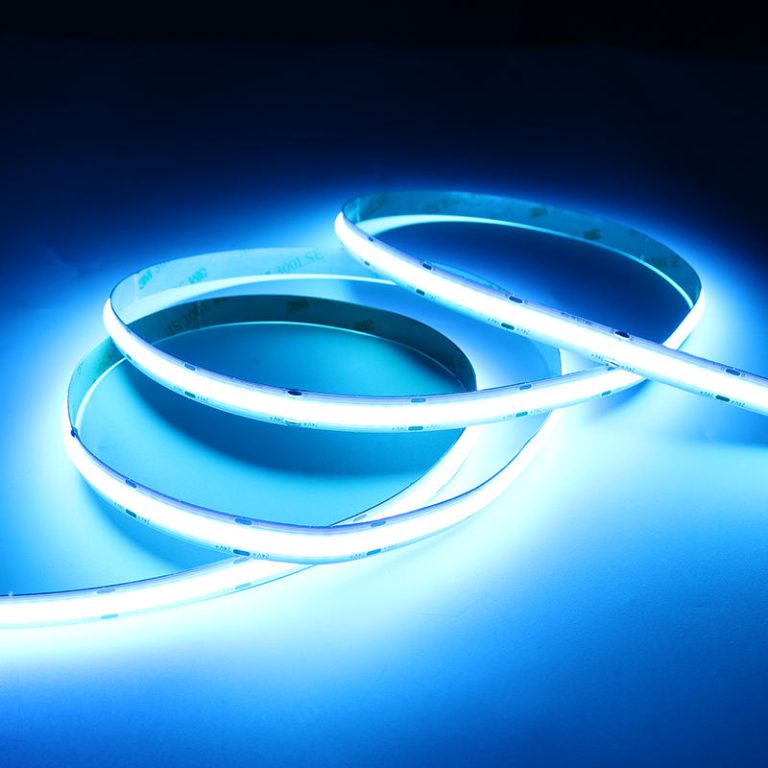
Light color gets measured in Kelvin (K). Low Kelvin values create warm, yellow tones. Higher values produce cool, blue-white tones. Choosing the right light for concentration forms the base of a good work area.
4000K to 4500K: Natural White Light for General Studying
For extended reading sessions or standard homework, natural white light ranging from 4000K to 4500K offers an excellent balance. This study light temperature closely mimics mid-morning sunlight, providing crisp illumination without being overly harsh. It keeps the brain engaged while offering enough warmth to prevent the space from feeling sterile, making it ideal for daily academic tasks and general reading.
5000K to 6500K: Cool White Light for High Alertness
When tackling complex problem-solving or preparing for rigorous exams, cool white light between 5000K and 6500K is the ultimate productivity booster. This spectrum replicates high-noon daylight. It stimulates the brain, sharpens concentration, and significantly enhances contrast on written materials. If intense, sustained concentration is required, this is definitely the best LED light color for studying and focus.
How Does LED Light Color Affect Your Brain and Eyes?
Good, eye-safe study lights do more than let you see well. They interact with your body’s systems. The body reacts to various light setups through hormone changes.
The Connection Between Cool Light and Circadian Rhythms
Our body’s daily cycles are linked closely to the sun’s pattern. Cool light with blue tones tells the brain it is day. This signal raises the heart rate a bit. It also lifts body heat slightly and quickens mental reactions. By using a cool white LED desk light, you tap into this body response. As a result, it shifts your body to a lively, working mode.
Warm Light vs. Cool Light: Managing Your Melatonin Levels
Melatonin is the sleep hormone. Warm light boosts its making, which cues the body to slow down. Cool light, however, cuts back on melatonin release. That cutback explains why high-Kelvin lights work so well to fight sleepiness. They keep you awake when facing hard topics.
Which LED Desk Lighting Fits Your Specific Study Scenarios?
No one light works for all cases. Matching your light picks to the exact school job ensures top results and eye ease.
The Best Lighting Strategies for Reading Physical Books
Printed pages need a strong contrast to save eye effort. A natural white level near 4000K brings good sharpness to text. It avoids the bright bounce that higher temperatures can cause on shiny book pages or thick guides.
Optimal Light Settings for Late-Night Screen Time
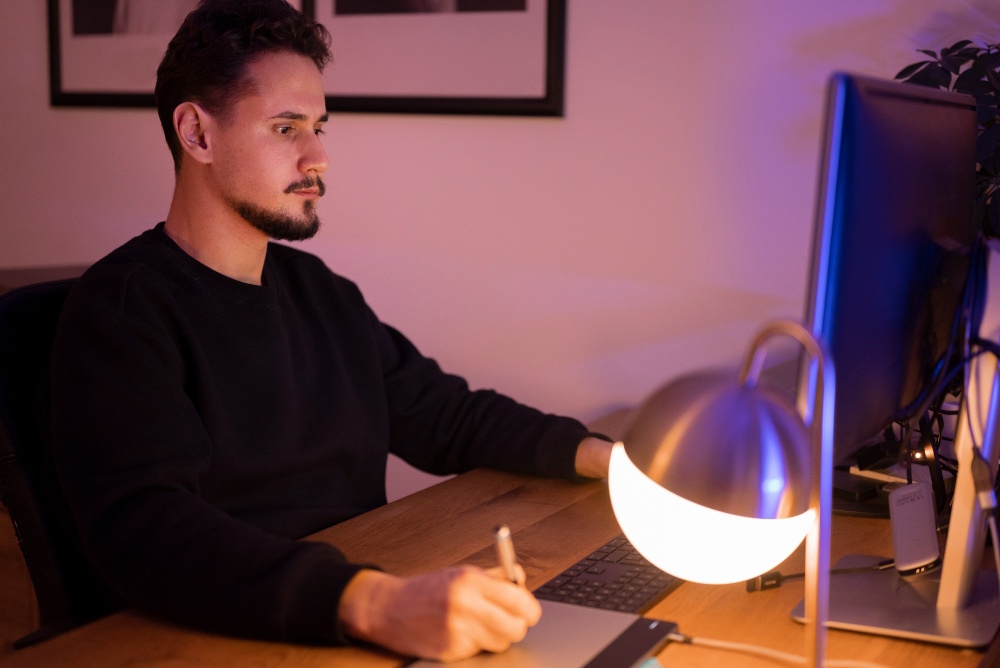
Looking at a screen in a dark space makes big contrasts that tire the eyes fast. Light behind the screen cuts this issue. For late computer tasks, set the room light to a warmer 3500K-4000K. This softens the shift from the bright screen to the rest of the room.
Ambient vs. Task Lighting: Creating a Layered Study Environment
One desk lamp seldom builds the right setup. A mixed method joins overhead room light with an aimed task light. Use a cooler task light right on the work spot. Keep the room light and a touch warmer. This forms a clear area that pulls your focus only to the items in front of you.
Beyond Color: How to Prevent Eye Strain During Long Study Sessions?
The right color temperature alone can lead to pain if the light quality is lacking. Two main points control eye comfort over time when picking the best LED light color for studying.
Why High CRI (Color Rendering Index) Matters for Visual Comfort
Color Rendering Index (CRI) checks how well a light shows true object colors. Poor CRI makes writing look dull. This forces the eyes to work harder. Lights with CRI over 80 give clear, bright differences. Such quality helps cut down eye tiredness a lot.
Eliminating Glare and Flicker from Your Desk Layout
A hidden flicker in cheap parts causes bad headaches over time. At SHIJILIGHTING, we add top Epistar and San’an chips to our LED strips. This gives steady light without flicker. With 14 years of focused work in LED design, we know that solid, quality parts matter as much as the light type they make.
How to Build the Ultimate Study Lighting Setup for 2026?
Current work areas need flexibility. The best setup lets the space change easily from hard work to calm creativity.
Utilizing Smart Dimmable and Tunable Features
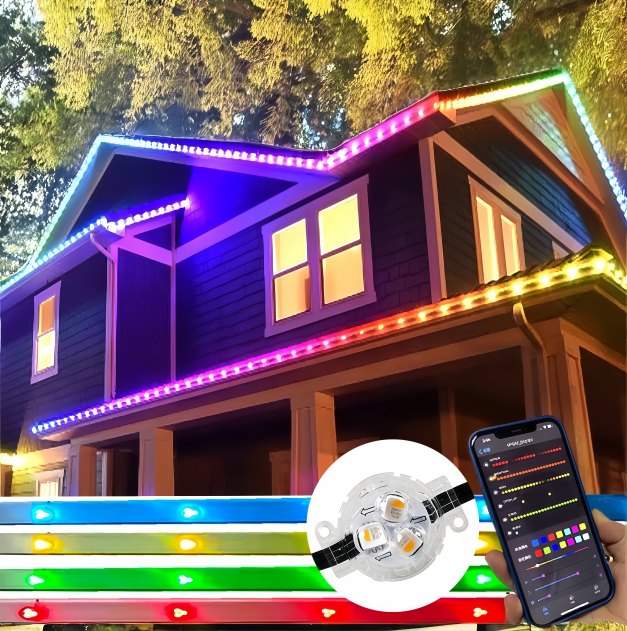
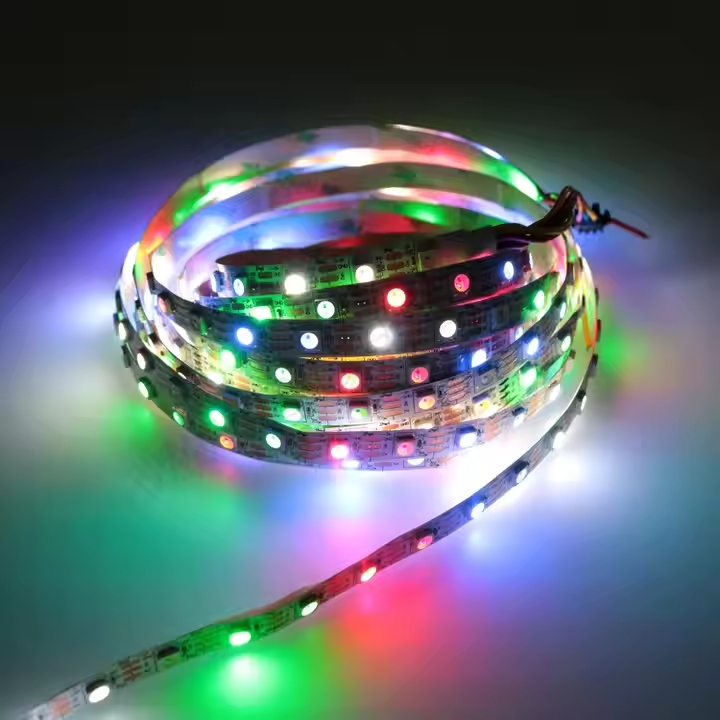
Setting limits on what you can do. Our SK6812 5050 RGBW LED Strip series fits active study spots just right. It has a white part next to the RGB ones. So, you can pick a sharp 5000K white for full focus. Then, switch to milder, colored room light when you unwind after a long study.
Strategic Light Placement to Reduce Desktop Shadows
A light straight ahead makes annoying hand shadows when you write. Put bendable LED Strips in metal tracks under shelves or behind screens. This spreads even light over the whole desk. We offer full flexible strip options with a 2-year warranty. They keep your work area bright and free of shadows for good.
FAQ
Q: What is the best LED light color for studying at night?
A: For night study, natural white light near 4000K works best. It gives clear sight to hold focus. Yet, it stays a bit gentler than daylight. This cuts a sharp glare in the dark room. It also makes shifting to sleep simpler later.
Q: Can the best LED light color for studying and focus actually reduce eye strain?
A: Yes. A cooler color temperature from 4000K-5000K boosts text differences. This keeps the eyes from straining too much. Plus, high-quality LED systems with high CRI and no-flicker tech play a key role in stopping lasting eye wear.
Q: How do I choose the best LED light color for studying in a very small room?
A: In tight rooms, mixed lighting suits best. Set a 4000K-5000K task light on your desk for the main work zone. Add a warmer room light to make the small area feel less stark and more cozy.
Q: Does the best LED light color for studying depend on a person’s age?
A: Yes. As age increases, the eye lenses turn yellow naturally. They need more light for clear sight. Older people often gain from the upper range, about 5000K to 6000K. This gives the needed sharpness and brightness for easy reading.
Q: Is pure white or yellow the best LED light color for studying and focus?
A: Pure white light beats yellow for study. Yellow or warm light starts melatonin and cues the brain to rest. White light copies daylight closely. It blocks sleep hormones and keeps the brain sharp, active, and working well.