Why Does the Best LED Light Color for Studying and Focus Matter?
Light has a direct effect on brain work, feelings, and eye care. When you start hard topics, the space around you shapes how much you take in. Light that comes into your eyes sets the body’s inner clock. It tells the brain if it’s time to sleep or stay awake. Picking the best LED light color for studying and focus keeps your attention steady. It cuts down eye tiredness. It also raises work output over long periods. Bad light brings on head pain, fuzzy sight, and less focus time.
Decoding the Kelvin Scale: Which Light Colors Improve Concentration?
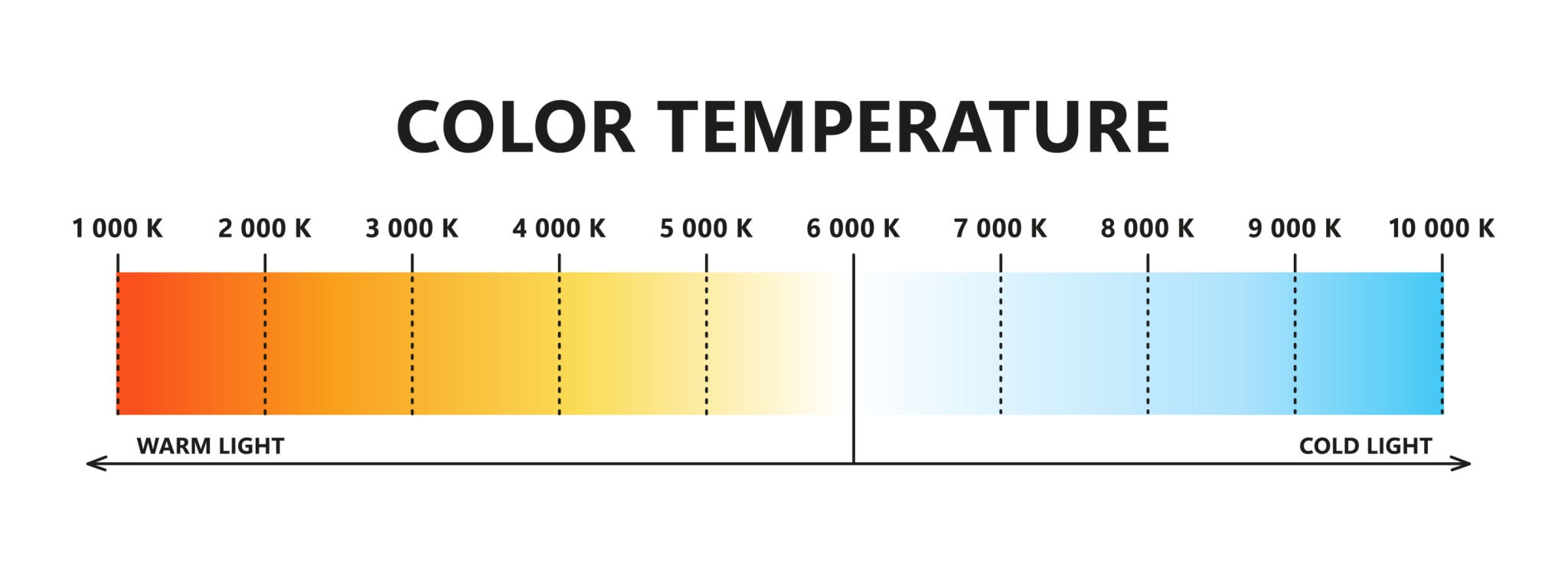
To pick the right light, check the color temperature. It is measured in Kelvin (K). This measure sets whether a light looks soft, even, or sharp.
Warm Light (2700K – 3000K): Relaxation vs. Alertness
Warm light emits a cozy, yellowish hue reminiscent of a sunset. While this creates a highly relaxing atmosphere perfect for winding down, it is generally not the best LED light color for studying and focus. It signals the brain to produce melatonin, the sleep hormone, which can make you feel drowsy when you need to be sharp.
Cool White Light (4000K – 5000K): The Sweet Spot for Cognitive Tasks
For most people, cool white light hits the perfect balance. Falling in the 4000K to 5000K range, it mimics morning sunlight. This spectrum promotes alertness without being overly harsh on the eyes. It makes text stand out clearly against white paper, making it an excellent choice for prolonged reading and deep work.
Daylight (5000K – 6500K): Maximum Alertness for Daytime Studying
Daylight bulbs copy the strong noon sun. This clear, blue-white light offers top sight. It works well for quick hard focus or fine work tasks. But if you use it for hours, mainly at night, it can tire your eyes. It may also mess up sleep times.
Matching the Best LED Light Color to Your Specific Study Tasks
Various study items call for simple ways to keep sight easy.
Ideal Lighting for Reading Physical Books and Paper Notes
When you read printed books, you want bright, even light. This stops dark spots on the page. A color temperature near 4000K gives a big difference between ink and paper. It lowers the work your eyes do to read the words.
Proper Screen Lighting for Computer Work and Coding
Looking at a bright screen in a dark room makes your eyes adjust a lot to big differences. To stop that, add bias lighting. It is a soft light behind the screen. A neutral color temperature softens the difference here. It keeps your eyes at rest during long coding or search times.
Ambient vs. Task Lighting: Setting Up a Balanced Desk Environment
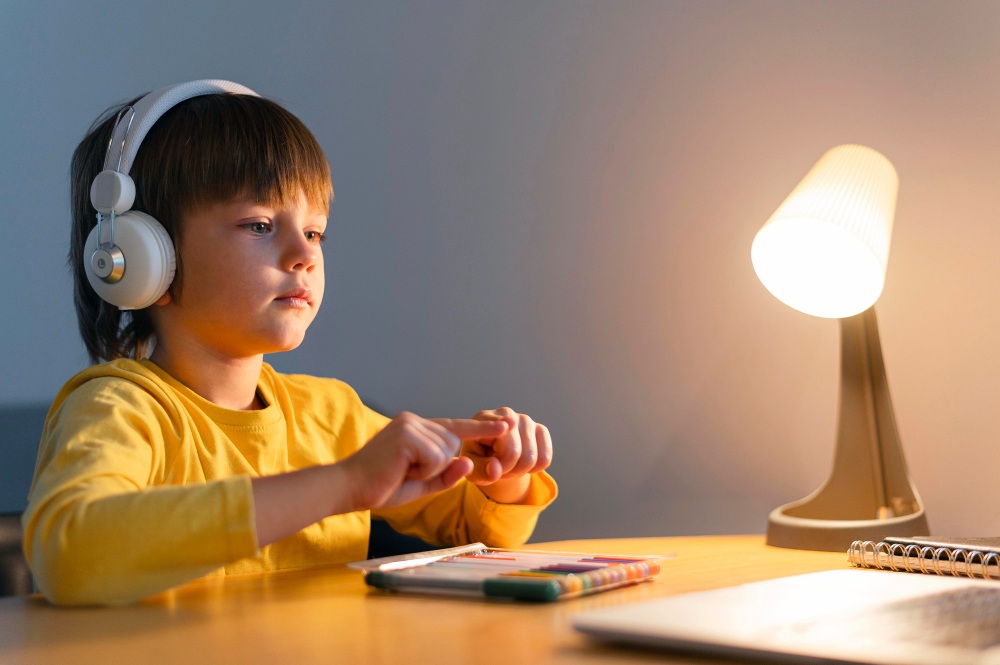
A common mistake is relying solely on a bright desk lamp while the rest of the room remains dark. This creates harsh shadows. A balanced setup combines ambient room lighting with focused task lighting. This dual approach minimizes glare and creates a comfortable, productive workspace.
Common Lighting Mistakes That Ruin Focus and Cause Eye Strain
Even with good aims, wrong light setups can harm your flow.
The Negative Impact of Heavy Blue Light Before Bedtime
Working late under 6000K+ lights fools your brain into day mode. This strong blue light cuts down melatonin production. It gets hard to sleep after. Bad rest hurts your focus the next day.
How Glare, Shadows, and Flickering Disrupt Your Attention
Cheap bulbs often have hidden flicker. You may not see it, but it makes eye parts work extra. This leads to bad headaches. In the same way, lights in bad spots that throw strong darks or shine on your work area drain your mind fast.
How to Choose the Right LED Fixtures for Long Study Sessions
To make a workspace, pick steady, good fixtures. At SHIJILIGHTING, we have put 14 years into top LED items. They focus on sight health and work.
The Importance of Adjustable Brightness and Color Temperature
Your light needs to shift over the day. Good LED strip lights and rigid bars let you change brightness and color temperature. You can set a sharp 5000K for mid-day study. Then switch to soft 3000K for evening note check. We SHIJILIGHTING give a firm 2-year warranty. It ensures your study space stays well-lit.
Why a High CRI (Color Rendering Index) Matters for Visual Comfort
Color Rendering Index checks how true a light shows object colors. Low CRI makes colors seem flat. This makes sight tasks tough. High CRI light gives bright, real light. It cuts eye tiredness a lot. So you can study longer with ease.
FAQ
Q: What is the best LED light color for studying and focusing at night?
A: At night, move from hard daylight shades. A neutral white near 4000K is seen as the best LED light color for studying and focusing in the evening. It holds you awake without fully stopping your body’s sleep prep.
Q: Does the best LED light color for studying and focus differ for screens versus paper?
A: Yes. For paper, a direct task light near 4000K to 5000K gives the needed difference. For screens, the monitor puts out light. So, add ambient bias lighting behind it to lower the room difference. Keep it at a milder, warmer shade.
Q: How bright should the best LED light color for studying and focus be?
A: Brightness comes in lumens, not color temperature. For close desk work and study, you often need 400 to 500 lumens of cool white light aimed at your workspace. This keeps sight clear.
Q: Can the best LED light color for studying and focus improve memory retention?
A: Light color does not boost memory on its own. But right lighting (4000K-5000K) stops eye tiredness and mind wear. With body ease and wake, your brain takes in and holds info better.
Q: Why is cool white considered the best LED light color for studying and focus by professionals?
A: Cool white (near 4000K-5000K) matches natural morning sun best. This light range sets off eye parts that hold back melatonin. It keeps the brain awake, ready, and set for hard info.