Picking the proper lights is usually the most ignored part in setting up a good study space. Many students and workers pay attention to comfy chairs or ear covers that block noise. Yet the body’s reaction to light affects the brain most. It drives mental staying power. Picking the best LED light color for studying and focus is not only about looks. It is about handling your body clock and eye ease to reduce eye strain in tough thinking jobs.
Why Does Poor Lighting Cause Eye Strain During Long Study Sessions?
The human eye is an incredible biological instrument, but it was never designed to stare at high-contrast black text on white backgrounds under flickering or yellow-tinted bulbs for hours. When we study in inadequate lighting, the eye muscles—specifically the ciliary muscles—must work harder to focus, leading to “asthenopia” or digital eye strain. Poor lighting often results in glare or insufficient contrast, forcing the brain to exert extra effort to decode information, which quickly depletes mental energy. By optimizing the color temperature of your workspace, you can create a sharper visual environment that allows the eyes to relax while the mind stays sharp.

What is the Best LED Light Color for Studying and Focus?
Studies on the Kelvin scale show that “cooler” lights work much better for getting things done than the “warmer” yellow shades in home rooms. The best LED light color for studying and focus usually stays in the 4000K to 6500K range.
Cool White (4000K-5000K): The Ideal Balance for Sustained Concentration
For many people, cool white LED light at 4000K to 4500K is the perfect point. This level copies the light of a bright morning. It gives enough blue waves to keep the mind awake without being too strong. It offers a big difference for reading books and writing. That makes it the top lighting for focus in home work spots and book rooms.
Daylight (5000K-6500K): Maximum Alertness for Daytime Learning
When you need to tackle complex subjects or stay awake during a late-afternoon slump, daylight LED bulbs (5000K-6500K) are superior. This high color temperature mimics noon-day sun, which triggers a biological response in the brain to stop producing melatonin. This is arguably the best LED color for focus when you are engaged in detailed technical work or architectural drafting, where color accuracy and extreme clarity are required.
How Do Different Light Colors Impact Your Brain and Learning Efficiency?
The link between light and the brain works through the “intrinsically photosensitive retinal ganglion cells” (ipRGCs). These cells react to certain wavelengths. They control our body clock.
How Blue Light Frequencies Enhance Cognitive Performance
Though “blue light” gets a bad name for sleep issues, it is a strong aid for getting work done. High-wave blue light in cool white LED light wakes the brain’s alert areas. Using the best LED light color for focus during the day can boost memory hold and thinking speed. It keeps the nerve paths in a “working” state.
The Role of Warm Light (2700K-3000K) for Post-Study Relaxation
On the other hand, warm light (below 3000K) should be skipped for hard study. Warm shades tell the brain the day is over. But if you check notes soon before sleep, switch to a warmer shade. It can help reduce eye strain. It also stops sleep breaks from too much blue light at night.
How to Match LED Light Colors with Specific Study Tasks?
Not every study time is the same. Your light plan should fit if you look at a bright screen or a real book.
Best Color Temperature for Screen-Based Research
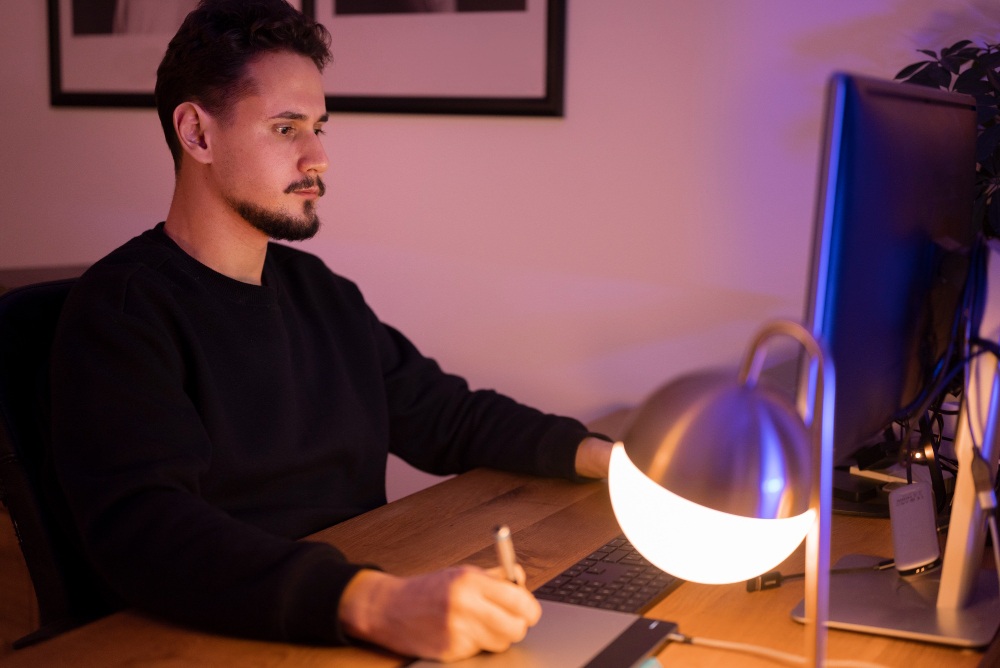
When using a laptop, your screen already gives off light. To reduce eye strain, the room light should match or go a bit over the screen’s brightness. A color temperature of 4000K fits well here. It stops the “ghost” look that happens when a strong screen fights with very low or very yellow room lights.
Optimal Lighting Setup for Reading Printed Textbooks
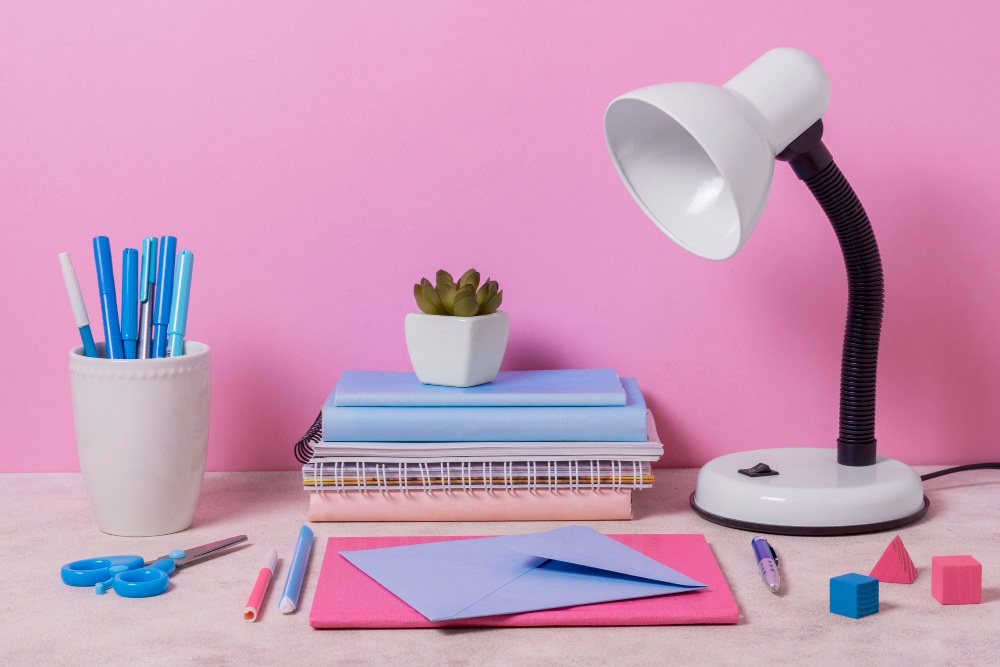
For physical reading, a higher CRI (Color Rendering Index) is vital. You need a focused light source, such as a high-quality LED strip or rigid bar, placed to the side of your desk. This ensures that the white paper doesn’t reflect a blinding glare back into your pupils, which is a common cause of headaches during long reading sessions.
Beyond Color: What Else Makes a Desk Lamp Ideal for Eye Protection?
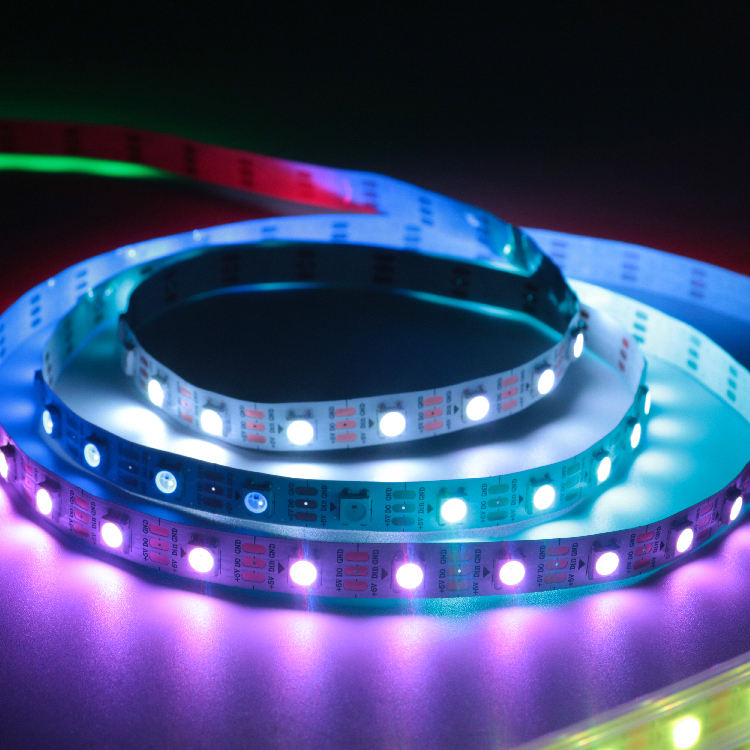
At SHIJILIGHTING, we know that pro-level light needs more than choosing a bulb. Since we started in 2010, we have focused on building top straight light fixes that put eye health first. For a study space, our SMD 2835 LED strips and LED rigid bars are the best choice for desk light setups.
Unlike usual home bulbs, our firm bars use top Epistar or San’an chips. They give a no-blink feel. Blinking—even if you can’t see it—often starts headaches. Our items, like the SJ-10060 series, have a high Color Rendering Index (CRI). This makes colors in your drawings and words bright and real. It helps a lot to reduce eye strain. If you put in under-shelf lights or a made desk lamp, our straight fixtures give an even light spread. There are no “hot points” that cause shine. Also, we back our build strength with a 2-year warranty on our pro LED items. This keeps your study spot well-lit for years.
Brightness Levels (Lumens) Needed for Desktop Work
The best LED light color for studying needs a good, bright light to back it. For a normal desk, go for 400-500 lumens. If the light is too low, your eyes open wide. That makes seeing hard. If it is too strong, you get shine.
Why Color Rendering Index (CRI) Matters for Visual Comfort
We suggest lights with a CRI of 80 or more. At SHIJILIGHTING, our top strips go over this. They give light that feels real and cuts the “flat” view of cheap LEDs. High CRI is needed for topics like life science, drawing, or chemistry. There, seeing color differences helps learn.
Positioning Your Light to Eliminate Glare and Shadows
To get the best LED lighting for focus, put your light on the side away from your writing hand. This cuts shadows. If you use a computer, angle the light from the screen. That stops reflections.
FAQ
Q: What is the best LED light color for studying and focusing to avoid getting tired?
A: The best LED light color for studying and focus is usually cool white, from 4000K to 5000K. This level copies morning light. It helps hold back the sleep hormone and keeps the brain awake. For even more wake-up, use daylight LED (up to 6000K). But it might feel too strong for some for long periods.
Q: Can the best LED light color for studying also help with reading at night?
A: Cool white is the best LED light color for studying in the day. But for late-night reading, you need balance. If you study near bed, pick a light that changes color temperature. Start at 4000K for a clear mind. As sleep nears, move to 3000K. This helps your body get ready to rest. It still gives light to reduce eye strain.
Q: Does color temperature affect how long I can concentrate on my books?
A: Yes, color temperature changes the mind’s staying power. Warm yellow lights calm the mind. They lead to sleepiness. But cool white LED light boosts serotonin production. That links to clear mind and mood control. Using the right Kelvin level can make your “focus time” longer. It stops early mind tiredness.
Q: How do I choose the best LED lighting for focus if I use a computer and books together?
A: For a mixed workspace, the best LED lighting for focus is a 4000K–4500K source with high CRI. It gives neutral white that fits with your screen’s blue. It also offers a needed difference for paper reading. We suggest a straight light source, like a SHIJILIGHTING rigid bar. It covers your screen and papers evenly.
Q: What CRI should I look for in an LED light to reduce eye strain?
A: To really reduce eye strain, find a CRI (Color Rendering Index) of at least 80. But 90 is better. High CRI makes sure the light waves are full and even. It makes words easy to read. It cuts the work your brain does to fix colors. All SHIJILIGHTING pro strips and bars use top chips. They give great color, true and eye ease. We back them with our 2-year warranty.